To provide high-quality stainless steel water separators for global customers.
Essential Guide to Choosing Stainless Steel Pipe Fittings for Your Project
Nov 01,2025
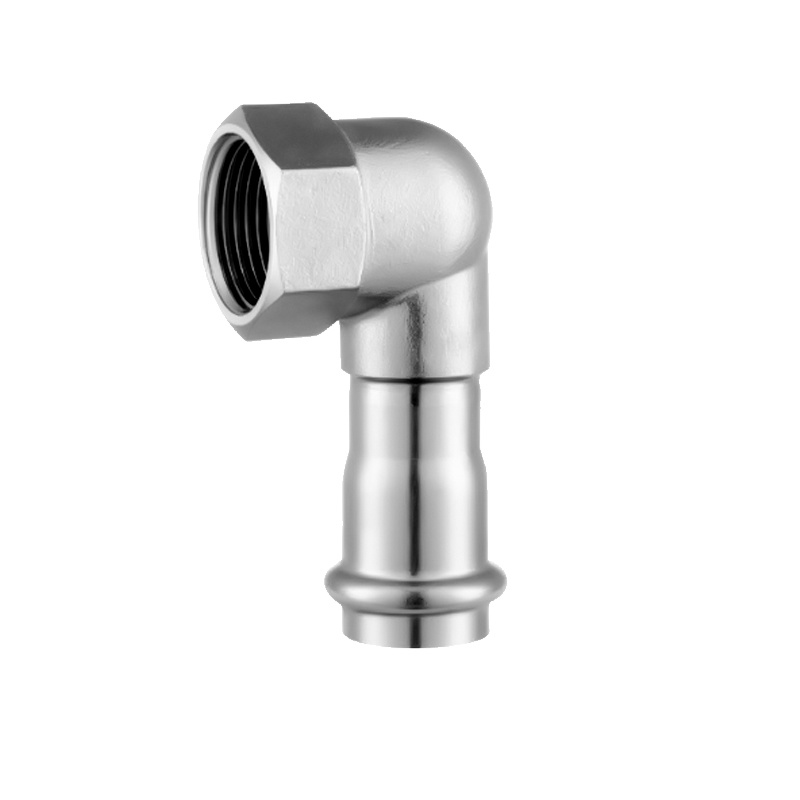
Essential Guide to Choosing Stainless Steel Pipe Fittings for Your Project
When it comes to construction and plumbing, making the right choice of materials can significantly impact the durability, efficiency, and safety of your projects. Among these materials, **stainless steel pipe fittings** are revered for their robust properties and wide range of applications. In this guide, we will explore everything you need to know about stainless steel pipe fittings, helping you make informed choices that meet the demands of your projects.
Table of Contents
- What Are Stainless Steel Pipe Fittings?
- Benefits of Using Stainless Steel Pipe Fittings
- Types of Stainless Steel Pipe Fittings
- How to Choose the Right Stainless Steel Pipe Fittings
- Applications of Stainless Steel Pipe Fittings
- Maintenance and Care of Stainless Steel Pipe Fittings
- Common Mistakes to Avoid When Choosing Pipe Fittings
- Frequently Asked Questions
What Are Stainless Steel Pipe Fittings?
**Stainless steel pipe fittings** are components used in plumbing and industrial piping systems to connect, divert, or terminate piping runs. These fittings are crafted from stainless steel, a corrosion-resistant alloy primarily composed of iron, chromium, and nickel, providing strength and durability. The common types of fittings include elbows, tees, couplings, and unions. Each type serves a specific function in the piping system, ensuring a secure and efficient flow of fluids or gases.
Benefits of Using Stainless Steel Pipe Fittings
Choosing stainless steel pipe fittings offers numerous advantages, making them a preferred option in various applications:
1. Corrosion Resistance
Stainless steel is inherently resistant to rust and corrosion, making it ideal for environments exposed to moisture or harsh chemicals. This property ensures longevity and reliability in plumbing systems.
2. Durability
Stainless steel fittings can withstand high pressures and temperatures, making them suitable for industrial applications. Their robust nature reduces the risk of leaks and failures over time.
3. Low Maintenance
Due to their resistance to corrosion, stainless steel fittings require minimal maintenance compared to other materials. Regular inspections are often sufficient to ensure they remain in optimal condition.
4. Aesthetic Appeal
The sleek, shiny finish of stainless steel enhances the visual appeal of installations. This aesthetic quality is especially important in visible areas of residential or commercial plumbing.
5. Versatility
Stainless steel pipe fittings can be used across various industries, including construction, oil and gas, food processing, and pharmaceuticals, due to their adaptability to different applications.
Types of Stainless Steel Pipe Fittings
Understanding the different types of stainless steel pipe fittings is crucial for selecting the right components for your project:
1. Elbows
Elbows are used to change the direction of a piping system, typically available in 90-degree and 45-degree angles. They are essential for navigating around obstacles in plumbing layouts.
2. Tees
Tees are fittings that allow for the branching of pipes. They come in various configurations, including equal and reducing tees, to facilitate multiple piping connections.
3. Couplings
Couplings are straight fittings used to connect two sections of pipe. They can be used for both permanent and temporary connections, depending on the design.
4. Unions
Unions are similar to couplings but allow for easier disassembly. They are particularly useful when frequent maintenance or replacement of pipes is expected.
5. Caps and Plugs
Caps and plugs are used to seal the ends of pipes. Caps cover the pipe's end, while plugs fit inside the pipe, preventing fluid from escaping.
6. Flanges
Flanges are used to connect pipes to other equipment or piping systems. They provide a strong and stable connection, essential for high-pressure applications.
How to Choose the Right Stainless Steel Pipe Fittings
Selecting the right stainless steel pipe fittings for your project involves several considerations:
1. Assess Your Project Requirements
Determine the specific needs of your project, including the type of fluids or gases being transported, temperature ranges, and pressure levels. This information will guide you in selecting the most suitable fittings.
2. Material Specifications
Choose the appropriate grade of stainless steel. Common grades include 304 and 316, with 316 providing enhanced corrosion resistance, especially in marine or chloride environments.
3. Compatibility
Ensure that the fittings are compatible with the pipes you are using. Check the pipe diameter and specifications to prevent leaks or weak connections.
4. Installation Method
Consider how the fittings will be installed. Some may require welding, while others may use threaded or compression methods. Choose fittings that align with your installation capabilities.
5. Quality and Standards
Look for fittings that meet industry standards, such as ASTM or ASME. High-quality fittings ensure safety and reliability in your piping system.
6. Supplier Reputation
Purchase from reputable suppliers with a history of providing quality products. Checking reviews and testimonials can help ensure you receive reliable components.
Applications of Stainless Steel Pipe Fittings
Stainless steel pipe fittings are used in a wide range of applications, including:
1. Water Supply Systems
Stainless steel fittings are commonly used in residential and commercial water supply systems due to their corrosion resistance and durability.
2. Oil and Gas Industry
In the oil and gas sector, stainless steel fittings are essential for transporting fluids safely, even in extreme conditions.
3. Food and Beverage Industry
Sanitary stainless steel fittings are used in food processing and beverage production to meet health and safety regulations.
4. HVAC Systems
Stainless steel fittings are utilized in heating, ventilation, and air conditioning systems for their ability to withstand temperature fluctuations.
5. Pharmaceutical Applications
In pharmaceutical manufacturing, stainless steel fittings ensure the integrity and cleanliness of fluid systems, preventing contamination.
Maintenance and Care of Stainless Steel Pipe Fittings
Proper maintenance of stainless steel pipe fittings is essential for their longevity and performance:
1. Regular Inspections
Conduct periodic inspections to check for signs of corrosion, leaks, or mechanical damage. Early detection can prevent costly repairs.
2. Cleaning
Clean fittings regularly using non-abrasive cleaning agents to maintain their shiny appearance and prevent buildup of dirt or grime.
3. Avoid Harsh Chemicals
Be cautious with cleaning products that contain chlorine or other harsh chemicals, as they can damage the surface of stainless steel fittings.
4. Proper Storage
Store fittings in a dry, clean environment to prevent corrosion and maintain their quality until installation.
Common Mistakes to Avoid When Choosing Pipe Fittings
To ensure a successful project, be mindful of these common pitfalls:
1. Ignoring Specifications
Neglecting to verify pipe diameter and specifications can lead to leaks and structural failures.
2. Opting for Low-Quality Products
Choosing cheaper, low-quality fittings can compromise the reliability and safety of your plumbing system.
3. Failing to Consider the Environment
Not accounting for environmental factors like temperature and exposure can result in premature wear and damage.
4. Disregarding Installation Methods
Not considering how fittings will be installed can lead to improper connections and wasted resources.
5. Overlooking Supplier Reputation
Purchasing from unknown suppliers can result in receiving subpar products. Always check supplier credibility before making a purchase.
Frequently Asked Questions
1. What is the difference between 304 and 316 stainless steel?
304 stainless steel is suitable for most applications and offers good corrosion resistance, while 316 stainless steel contains molybdenum, enhancing corrosion resistance, especially in marine environments.
2. Can stainless steel pipe fittings be welded?
Yes, most stainless steel pipe fittings can be welded, allowing for strong and durable connections. However, ensure proper techniques are used to prevent distortion and maintain structural integrity.
3. How do I know what size fitting I need?
Measure the outer diameter of the pipe you plan to connect the fitting to and choose a fitting that matches that measurement.
4. Are stainless steel fittings suitable for high-temperature applications?
Yes, stainless steel fittings are capable of withstanding high temperatures, making them suitable for various industrial applications.
5. How should I clean stainless steel pipe fittings?
Use a soft cloth and mild, non-abrasive cleaners to wipe down fittings. Avoid steel wool or harsh chemicals that can scratch or corrode the surface.
Conclusion
Choosing the right stainless steel pipe fittings is a crucial aspect of any construction or plumbing project. By understanding the types, benefits, and maintenance of these fittings, as well as avoiding common pitfalls, you can ensure the longevity and efficiency of your piping system. Armed with this knowledge, you are now ready to make informed decisions that will elevate the quality and safety of your projects. Happy building!

Contact Us
E-mail :
lena@gysusstainless.com
WhatsApp:
13580506972
Address:
First Floor, No. 147, Pacific Industrial Zone, Xintang Town, Zengcheng District, Guangzhou City, Guangdong Province

Search for the product you want to know
Contact Us
First Floor, No. 147, Pacific Industrial Zone, Xintang Town, Zengcheng District, Guangzhou City, Guangdong Province
Focus on the research and development, customization, production, and sales of stainless steel water separators and stainless steel pipe fittings