To provide high-quality stainless steel water separators for global customers.
Revolutionize Your Plumbing: The Benefits of Stainless Steel Flanged Flow Splitters
Nov 05,2025
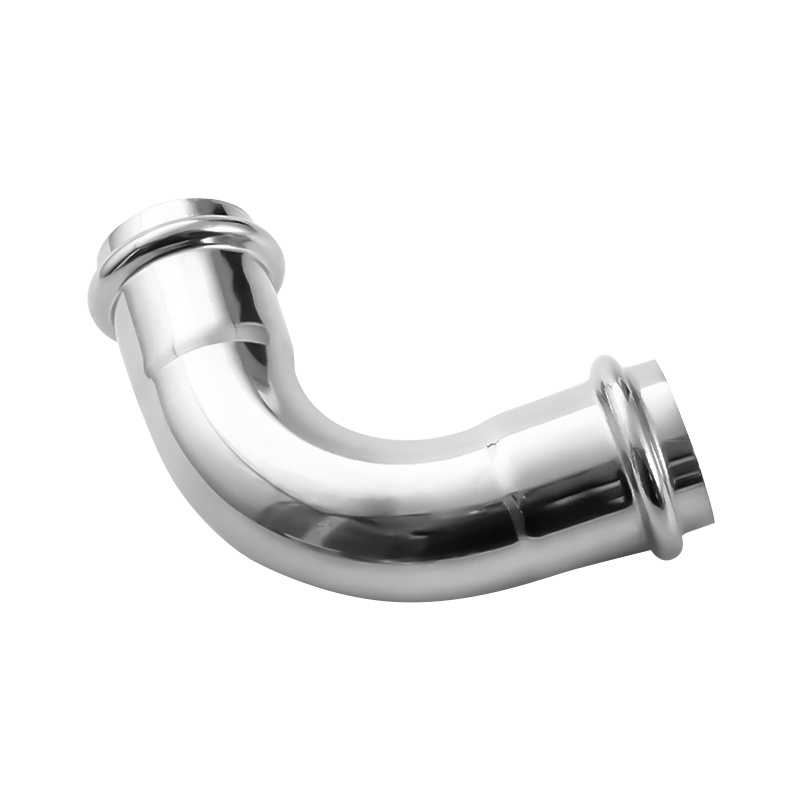
Revolutionize Your Plumbing: The Benefits of Stainless Steel Flanged Flow Splitters
Table of Contents
- 1. Introduction to Flow Splitters
- 2. What Are Stainless Steel Flanged Flow Splitters?
- 3. Advantages of Using Stainless Steel
- 4. Flow Splitters in Plumbing Systems
- 5. Applications of Stainless Steel Flanged Flow Splitters
- 6. Installation Tips for Flow Splitters
- 7. Maintenance and Care of Flow Splitters
- 8. Conclusion
- 9. Frequently Asked Questions
1. Introduction to Flow Splitters
In the world of plumbing, efficiency and durability are paramount. One of the critical components that can significantly enhance the performance of plumbing systems is the **flanged flow splitter**. Stainless steel flanged flow splitters are designed to manage the distribution of pressurized water efficiently. With increasing demands for reliable plumbing solutions, understanding the benefits of these components is essential for both homeowners and professionals in the industry.
2. What Are Stainless Steel Flanged Flow Splitters?
Stainless steel flanged flow splitters are devices used in plumbing systems to divide a single flow of water into multiple streams. They feature a flanged design that allows for easy and secure connections to various piping systems. Made from high-quality stainless steel, these splitters offer exceptional strength and resistance to corrosion, making them suitable for a wide range of applications, from residential plumbing to industrial systems.
The Design and Functionality of Flow Splitters
Flow splitters typically consist of an inlet and multiple outlets, enabling them to efficiently distribute water. Their design allows for minimal pressure loss, ensuring that each outlet receives the appropriate flow rate. This functionality is crucial in applications where balanced water distribution is required, such as in heating systems, irrigation, and HVAC systems.
3. Advantages of Using Stainless Steel
When considering materials for plumbing components, stainless steel stands out due to its numerous advantages:
Corrosion Resistance
Stainless steel is inherently resistant to corrosion, making it ideal for use in plumbing systems that handle water and other fluids. This characteristic ensures a longer lifespan for the flow splitter, reducing the need for frequent replacements and repairs.
Durability and Strength
Stainless steel is known for its strength and durability. Flow splitters made from this material can withstand high pressures and extreme temperatures, making them reliable for various applications in residential, commercial, and industrial settings.
Low Maintenance Requirements
Due to its corrosion resistance and durability, stainless steel requires minimal maintenance compared to other materials. This saves time and money for homeowners and contractors alike.
Hygienic Properties
In plumbing applications where cleanliness is crucial, stainless steel's non-porous surface resists bacteria growth. This property makes it suitable for use in food processing and healthcare facilities.
4. Flow Splitters in Plumbing Systems
Integrating stainless steel flanged flow splitters into plumbing systems can significantly enhance performance. Here’s how:
Efficient Water Distribution
By utilizing flow splitters, plumbing systems can achieve more efficient water distribution, ensuring that all fixtures receive adequate pressure and flow. This is especially important in multi-story buildings where water pressure can fluctuate.
Energy Savings
Improved efficiency leads to energy savings. When water is distributed evenly, pumps do not have to work as hard to maintain pressure, leading to lower energy costs over time.
Enhanced System Performance
Flow splitters contribute to the overall performance of HVAC systems, radiant heating, and irrigation setups by ensuring that each zone receives the correct amount of water, thus optimizing system efficiency.
5. Applications of Stainless Steel Flanged Flow Splitters
Stainless steel flanged flow splitters are versatile components that find applications in various settings:
Residential Plumbing
In homes, flow splitters are commonly used in heating systems, such as hydronic heating, where they ensure even heat distribution throughout different rooms.
Commercial Buildings
In commercial settings, these splitters help manage water flow in large-scale plumbing systems, including restrooms and kitchen facilities, where multiple outlets are required.
Industrial Uses
Industries often utilize flow splitters in process piping to ensure balanced flow rates to different processes, maximizing efficiency and reducing operational costs.
Agricultural Applications
In agriculture, flow splitters facilitate efficient irrigation by distributing water evenly across fields, promoting healthy crop growth and resource conservation.
6. Installation Tips for Flow Splitters
Proper installation is crucial for the optimal performance of stainless steel flanged flow splitters. Here are some essential tips:
Choose the Right Size
Selecting the correct size of flow splitter is vital for maintaining proper flow rates. Ensure that the splitter matches the dimensions of your piping system.
Check Compatibility with Existing Systems
Before installation, verify that the flow splitter is compatible with the existing plumbing setup, including fittings and valves.
Follow Manufacturer Guidelines
Always adhere to the manufacturer’s instructions for installation procedures to ensure a secure and leak-free setup.
Use Quality Seals and Gaskets
Utilizing high-quality seals and gaskets during installation can prevent leaks and ensure a long-lasting connection.
7. Maintenance and Care of Flow Splitters
Maintaining stainless steel flanged flow splitters is essential for ensuring their longevity and performance:
Regular Inspections
Conduct regular inspections of the flow splitter and associated piping for signs of wear or damage. This proactive approach can prevent costly repairs.
Clean the Components
Keeping the flow splitter clean will help maintain its efficiency. Use non-corrosive cleaners to remove debris and buildup.
Monitor Performance
Pay attention to the performance of the plumbing system. If you notice fluctuations in water pressure or flow rate, it may indicate an issue with the flow splitter.
8. Conclusion
Stainless steel flanged flow splitters play a vital role in enhancing plumbing systems' efficiency, durability, and performance. Their advantages, such as corrosion resistance, low maintenance, and versatility, make them an ideal choice for various applications, from residential plumbing to industrial processes. By choosing stainless steel flanged flow splitters, homeowners and professionals can revolutionize plumbing systems, ensuring reliable water distribution and energy savings. Investing in quality components will not only improve performance but also contribute to the longevity of plumbing systems.
9. Frequently Asked Questions
What is a flanged flow splitter?
A flanged flow splitter is a plumbing device that divides one flow of water into multiple streams, featuring flanged connections for secure attachment to piping systems.
Why choose stainless steel for flow splitters?
Stainless steel is chosen for flow splitters due to its corrosion resistance, durability, low maintenance requirements, and hygienic properties.
Can I install a flow splitter myself?
While it’s possible to install a flow splitter yourself, it’s recommended to consult a professional plumber to ensure proper installation and compatibility with your plumbing system.
How often should I maintain my flow splitter?
Regular inspections should be conducted at least once a year, with cleaning and monitoring for performance as needed.
What are common applications for flow splitters?
Common applications for flow splitters include residential plumbing systems, commercial buildings, industrial processes, and agricultural irrigation systems.
PREVIOUS:

Contact Us
E-mail :
lena@gysusstainless.com
WhatsApp:
13580506972
Address:
First Floor, No. 147, Pacific Industrial Zone, Xintang Town, Zengcheng District, Guangzhou City, Guangdong Province

Search for the product you want to know
Contact Us
First Floor, No. 147, Pacific Industrial Zone, Xintang Town, Zengcheng District, Guangzhou City, Guangdong Province
Focus on the research and development, customization, production, and sales of stainless steel water separators and stainless steel pipe fittings