To provide high-quality stainless steel water separators for global customers.
The Role of Stainless Steel Flow Distributors in Sustainable Building Practices
Nov 19,2025
The Role of Stainless Steel Flow Distributors in Sustainable Building Practices
Introduction to Sustainable Building Materials
In recent years, the construction industry has witnessed a significant shift towards sustainability. As the demand for eco-friendly building materials rises, architects and builders are exploring innovative solutions that not only meet structural requirements but also contribute to environmental conservation. One such solution is the use of stainless steel flow distributors, which play a pivotal role in enhancing the efficiency and sustainability of building systems.
Understanding Stainless Steel Flow Distributors
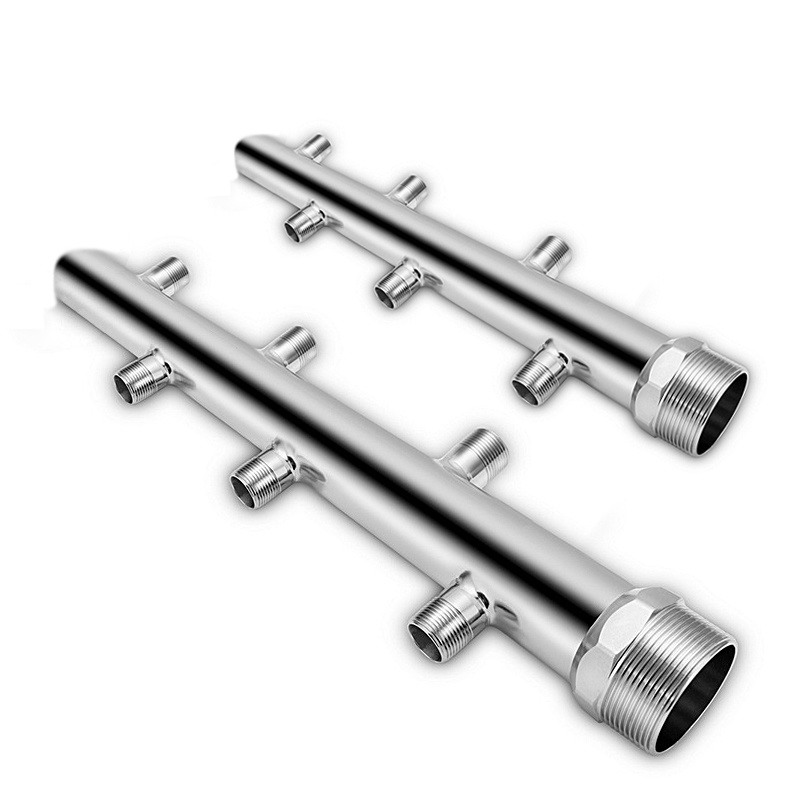
Stainless steel flow distributors are essential components in plumbing and heating systems. They are responsible for ensuring the even distribution of water or other fluids throughout a building, enhancing energy efficiency and minimizing waste. Their unique properties, such as corrosion resistance and durability, make them an ideal choice for sustainable building practices.
What Are Flow Distributors?
Flow distributors are devices that manage the distribution of fluids in various systems. In plumbing, they ensure that water is evenly distributed to different fixtures, preventing pressure drops and ensuring optimal performance. In the context of heating systems, flow distributors help regulate the flow of heated water, maximizing energy efficiency.
Why Choose Stainless Steel?
Stainless steel is a popular material in construction due to its outstanding durability and resistance to corrosion. Unlike other materials, stainless steel can withstand harsh environmental conditions, ensuring longevity and reducing the need for frequent replacements. This feature contributes to sustainability by minimizing waste and lowering long-term costs.
The Importance of Sustainability in Construction
Sustainable building practices are essential for reducing the environmental impact of construction activities. By integrating eco-friendly materials and technologies, the industry can significantly decrease carbon emissions, energy consumption, and resource depletion. This shift not only benefits the planet but also enhances the quality of life for occupants.
Benefits of Sustainable Building Practices
1. **Reduced Energy Consumption**: Sustainable buildings often incorporate energy-efficient systems that lower operating costs.
2. **Improved Indoor Air Quality**: Using non-toxic materials leads to healthier environments for occupants.
3. **Long-Term Cost Savings**: Although upfront costs may be higher, sustainable practices often result in long-term savings on maintenance and energy bills.
4. **Enhanced Market Value**: Eco-friendly buildings are increasingly attractive to buyers, often commanding higher prices.
How Stainless Steel Flow Distributors Contribute to Sustainability
Stainless steel flow distributors enhance the sustainability of building practices in several ways. Their design, efficiency, and material properties make them a critical component in modern construction.
1. Energy Efficiency
Stainless steel flow distributors ensure that heating and cooling systems operate at peak efficiency. By evenly distributing fluids, they minimize energy loss and reduce the workload on pumps and boilers. This efficiency not only leads to lower energy bills but also decreases carbon emissions associated with energy production.
Optimizing HVAC Systems
In HVAC systems, flow distributors help maintain consistent temperatures throughout a building. By preventing hot or cold spots, they reduce the need for excessive heating or cooling, further enhancing energy efficiency.
2. Corrosion Resistance and Longevity
The inherent properties of stainless steel make it resistant to corrosion, significantly extending the lifespan of flow distributors. This durability translates into less frequent replacements, reducing waste and the environmental impact associated with manufacturing new components.
Reducing Material Waste
By using long-lasting materials, builders can reduce the amount of waste generated during construction and over the lifespan of a building. Stainless steel flow distributors require less maintenance and replacement, contributing to a lower overall environmental footprint.
3. Contribution to Water Conservation
Efficient water distribution is vital for sustainability. Stainless steel flow distributors help optimize water usage in plumbing systems, ensuring that every drop is used effectively. This efficiency is crucial in regions where water scarcity is a concern.
Smart Water Management Systems
Integrating stainless steel flow distributors into smart water management systems allows for real-time monitoring and adjustments. This technology helps detect leaks and inefficiencies, promoting responsible water use in buildings.
Applications of Stainless Steel Flow Distributors in Sustainable Buildings
Stainless steel flow distributors can be applied in various aspects of construction, enhancing sustainability across different systems.
1. Plumbing Systems
In plumbing, flow distributors ensure that water flows evenly to all fixtures, minimizing pressure drops and maximizing efficiency. Their corrosion-resistant properties make them ideal for both hot and cold water systems.
2. Radiant Heating Systems
In radiant heating applications, flow distributors help evenly distribute heated water throughout floor systems, providing comfort and reducing energy consumption. This application is particularly valuable in residential and commercial buildings.
3. Renewable Energy Systems
Stainless steel flow distributors can also be incorporated into solar water heating systems and geothermal heating applications, enhancing the efficiency of renewable energy technologies.
Innovations in Stainless Steel Flow Distributors
As the demand for sustainable building practices grows, so does innovation in the design and functionality of stainless steel flow distributors. New technologies and engineering advancements are continually improving their efficiency and adaptability.
Smart Flow Control Technologies
Integration of smart technologies in flow distributors allows for automated adjustments based on real-time data. These systems can optimize flow rates, detect leaks, and monitor performance, ensuring maximum efficiency and sustainability.
Modular Designs for Flexibility
Recent innovations include modular flow distributor designs that allow for easy installation and customization. This flexibility enables builders to adapt systems to specific project requirements while maintaining sustainability goals.
Choosing the Right Stainless Steel Flow Distributor
Selecting the appropriate stainless steel flow distributor involves considering various factors to ensure optimal performance and sustainability.
1. System Requirements
Assess the specific requirements of the plumbing or heating system. Factors such as flow rate, pressure, and temperature should guide the selection process.
2. Material Quality
Ensure the stainless steel used in the flow distributor meets industry standards for durability and corrosion resistance. High-quality materials contribute to the longevity and efficiency of the system.
3. Manufacturer Reputation
Choose reputable manufacturers known for producing sustainable and efficient flow distributors. Researching customer reviews and industry certifications can help in making an informed decision.
FAQs About Stainless Steel Flow Distributors
1. What are the main benefits of using stainless steel flow distributors?
The primary benefits include enhanced energy efficiency, corrosion resistance, and durability, all contributing to sustainable building practices.
2. How do flow distributors improve energy efficiency?
By ensuring even distribution of water or fluids, flow distributors reduce energy loss and minimize the workload on pumps and heating systems.
3. Can stainless steel flow distributors be used in renewable energy systems?
Yes, they are ideal for use in systems such as solar water heating and geothermal heating, where efficiency is crucial.
4. How long do stainless steel flow distributors typically last?
With proper maintenance, stainless steel flow distributors can last for decades, significantly reducing waste and replacement costs.
5. Are there any environmental benefits to using stainless steel flow distributors?
Yes, their durability and efficiency contribute to reduced resource consumption, lower carbon emissions, and minimized waste, making them a sustainable choice.
Conclusion
Stainless steel flow distributors play a crucial role in advancing sustainable building practices. Their efficiency, durability, and resistance to corrosion make them an indispensable component in modern construction. By integrating these innovative devices into plumbing and heating systems, builders can significantly enhance energy efficiency, reduce waste, and promote responsible resource use. As the construction industry continues to evolve towards sustainability, the importance of high-quality materials like stainless steel cannot be overstated. Embracing these technologies not only benefits the environment but also paves the way for a more sustainable future in building practices.
PREVIOUS:

Contact Us
E-mail :
lena@gysusstainless.com
WhatsApp:
13580506972
Address:
First Floor, No. 147, Pacific Industrial Zone, Xintang Town, Zengcheng District, Guangzhou City, Guangdong Province

Search for the product you want to know
Contact Us
First Floor, No. 147, Pacific Industrial Zone, Xintang Town, Zengcheng District, Guangzhou City, Guangdong Province
Focus on the research and development, customization, production, and sales of stainless steel water separators and stainless steel pipe fittings