To provide high-quality stainless steel water separators for global customers.
Maximize Durability: The Comprehensive Benefits of Using Stainless Steel Pipe Fittings
Nov 21,2025
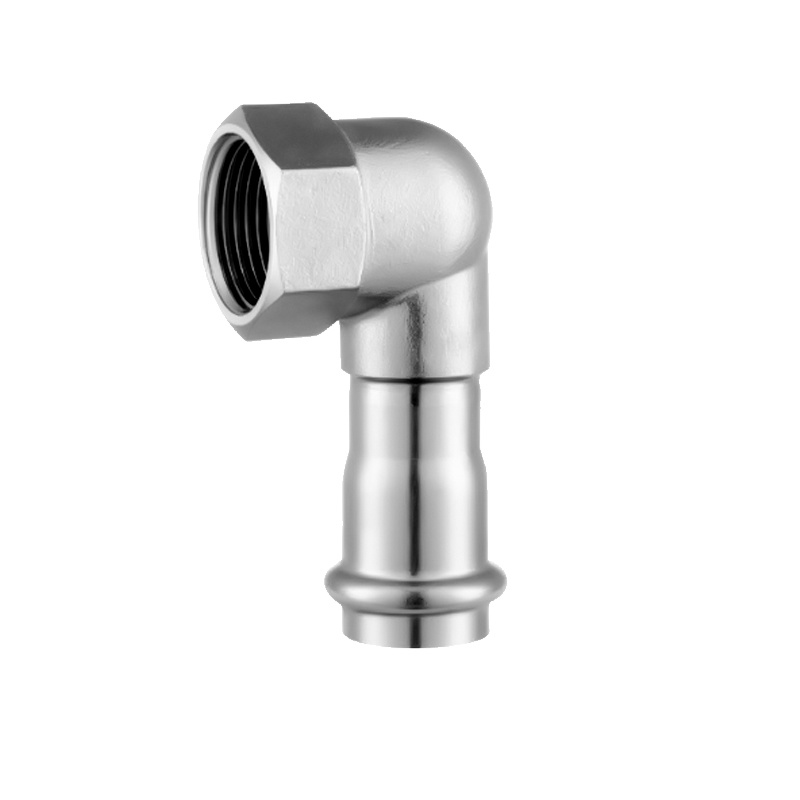
Maximize Durability: The Comprehensive Benefits of Using Stainless Steel Pipe Fittings
When it comes to construction and plumbing, the materials we choose can significantly impact the overall durability and performance of our systems. Among these materials, **stainless steel pipe fittings** stand out as one of the best options available. Known for their strength, resistance to corrosion, and long-lasting nature, stainless steel fittings provide a multitude of benefits that can help maximize the durability of any plumbing or construction project. In this article, we will explore the various advantages of using stainless steel pipe fittings, their applications, and why they are a preferred choice among industry professionals.
Table of Contents
- Understanding Stainless Steel Pipe Fittings
- Advantages of Stainless Steel Fittings
- Applications of Stainless Steel Fittings
- Installation Tips for Stainless Steel Pipe Fittings
- Cost-Effectiveness of Stainless Steel Fittings
- Environmental Impact of Stainless Steel
- Frequently Asked Questions
- Conclusion
Understanding Stainless Steel Pipe Fittings
Before diving into the benefits, it is important to understand what **stainless steel pipe fittings** are. These fittings are components that connect pipes or tubes, allowing for the movement of fluids within various systems. They come in various shapes and sizes, including elbows, tees, reducers, and caps, and are primarily used in plumbing, heating, and industrial applications. The primary material, stainless steel, is an alloy that typically contains iron, chromium, and nickel, providing it with unique properties that enhance its performance and lifespan.
Advantages of Stainless Steel Fittings
Corrosion Resistance
One of the most significant benefits of using stainless steel pipe fittings is their **corrosion resistance**. Unlike traditional iron or steel fittings, stainless steel is highly resistant to rust and other forms of corrosion. This property is particularly beneficial in environments where moisture and chemicals are prevalent, such as in plumbing systems or industrial applications. The chromium content in stainless steel forms a protective layer on the surface, preventing oxidation and ensuring that the fittings maintain their integrity over time.
Strength and Durability
Stainless steel fittings are known for their exceptional **strength and durability**. They can withstand high pressures and extreme temperatures, making them suitable for a wide range of applications. Whether in residential plumbing or industrial settings, these fittings provide a reliable connection that can endure demanding conditions without failure. This durability translates into fewer repairs and replacements over the life of the system, ultimately saving costs and effort.
Temperature Resistance
Another considerable advantage of stainless steel pipe fittings is their **temperature resistance**. These fittings can handle both high and low temperatures without losing their structural integrity. This feature is crucial in applications such as heating systems, where fittings may be exposed to hot water or steam, and in refrigeration systems, where low temperatures are common. Their ability to maintain performance under varying conditions ensures that they remain dependable components in any system.
Low Maintenance Advantage
When it comes to maintenance, stainless steel pipe fittings require minimal attention. Their resistance to corrosion and wear means that they do not need frequent replacements or repairs, resulting in lower overall maintenance costs. This **low maintenance advantage** is particularly appealing for businesses looking to minimize downtime and operational disruptions. By investing in stainless steel fittings, organizations can focus on their core activities rather than worrying about plumbing issues.
Applications of Stainless Steel Fittings
Stainless steel pipe fittings are versatile and find applications in various industries, including:
- Plumbing: Ideal for residential and commercial plumbing systems, providing reliable connections for water supply.
- HVAC: Used in heating, ventilation, and air conditioning systems due to their resistance to temperature fluctuations.
- Food and Beverage: Essential in sanitary applications where hygiene is critical, as stainless steel can be easily cleaned and sanitized.
- Oil and Gas: Employed in the extraction and transport of oil and gas, where durability is paramount.
- Pharmaceutical: Commonly used in manufacturing processes where cleanliness and corrosion resistance are required.
Installation Tips for Stainless Steel Pipe Fittings
The correct installation of stainless steel pipe fittings is critical to ensuring optimal performance. Here are some essential tips:
- Clean the Surfaces: Ensure that both the fitting and the pipe surfaces are clean and free from debris or old sealant.
- Use Proper Tools: Utilize appropriate tools to avoid damaging the fittings during installation.
- Follow Manufacturer Guidelines: Adhere to the specific installation instructions provided by the manufacturer to ensure a secure fit.
- Check for Leaks: After installation, conduct pressure tests to identify any potential leaks promptly.
Cost-Effectiveness of Stainless Steel Fittings
While the initial investment in stainless steel pipe fittings may be higher than other materials, their **cost-effectiveness** becomes apparent over time. The durability, low maintenance requirements, and extended lifespan contribute to reduced long-term costs. Additionally, fewer repairs and replacements mean that businesses can allocate resources more efficiently, ultimately leading to savings in operational expenses.
Environmental Impact of Stainless Steel
In today’s eco-conscious world, the **environmental impact** of materials is vital. Stainless steel is 100% recyclable, making it an environmentally friendly choice. By using stainless steel pipe fittings, companies can reduce their carbon footprint and contribute to sustainable practices in construction and plumbing. The long lifespan of stainless steel also means fewer materials contribute to waste over time.
Frequently Asked Questions
1. What are stainless steel pipe fittings made of?
Stainless steel pipe fittings are primarily composed of iron, chromium, and nickel, which together create an alloy that provides strength and corrosion resistance.
2. Are stainless steel fittings suitable for outdoor use?
Yes, stainless steel fittings are highly resistant to corrosion and can withstand outdoor conditions, making them ideal for various external applications.
3. How do I clean stainless steel pipe fittings?
To clean stainless steel fittings, use a mild detergent and warm water, along with a soft cloth or sponge. Avoid abrasive cleaners that can scratch the surface.
4. Can stainless steel fittings be used in high-pressure applications?
Absolutely. Stainless steel fittings are designed to handle high pressure, making them suitable for demanding applications in various industries.
5. What is the lifespan of stainless steel pipe fittings?
Stainless steel pipe fittings can last for decades, often outlasting fittings made from other materials due to their durability and resistance to corrosion.
Conclusion
In summary, the use of **stainless steel pipe fittings** offers numerous advantages that significantly enhance the durability and performance of plumbing and construction systems. Their corrosion resistance, strength, temperature tolerance, low maintenance needs, and cost-effectiveness make them an optimal choice for professionals in various industries. By investing in stainless steel, you are not only ensuring the longevity of your projects but also contributing to environmentally friendly practices. As we continue to demand better materials for our infrastructures, stainless steel pipe fittings will undoubtedly remain at the forefront of innovation and reliability.

Contact Us
E-mail :
lena@gysusstainless.com
WhatsApp:
13580506972
Address:
First Floor, No. 147, Pacific Industrial Zone, Xintang Town, Zengcheng District, Guangzhou City, Guangdong Province
Search for the product you want to know
Contact Us
First Floor, No. 147, Pacific Industrial Zone, Xintang Town, Zengcheng District, Guangzhou City, Guangdong Province
Focus on the research and development, customization, production, and sales of stainless steel water separators and stainless steel pipe fittings