To provide high-quality stainless steel water separators for global customers.
Exploring the Versatility of Stainless Steel Flanged Flow Splitters in Construction
Dec 04,2025
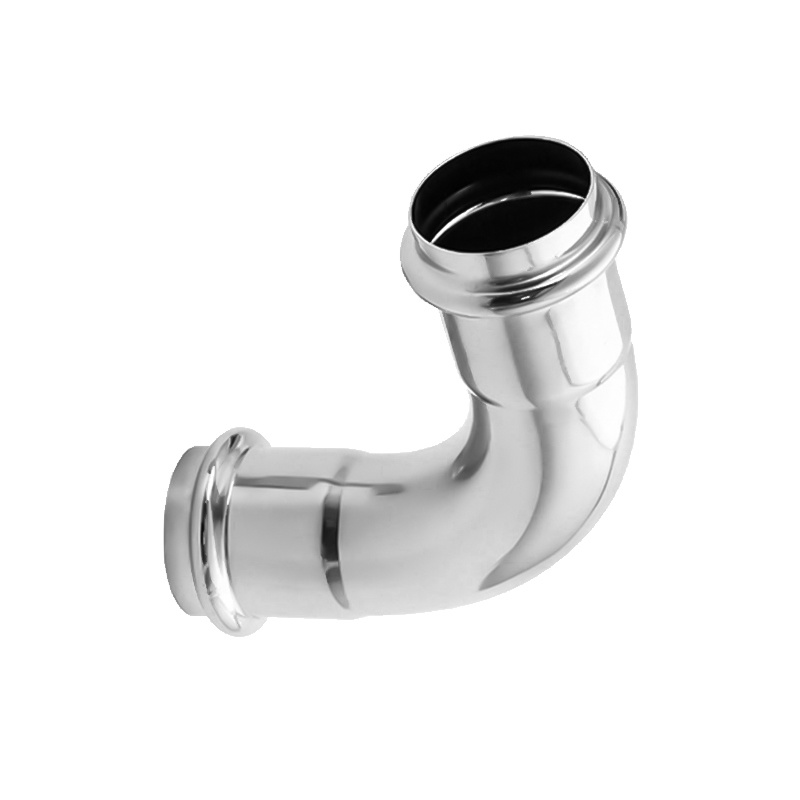
Exploring the Versatility of Stainless Steel Flanged Flow Splitters in Construction
Table of Contents
- 1. Introduction to Stainless Steel Flanged Flow Splitters
- 2. Understanding Flow Splitters and Their Functionality
- 3. Advantages of Stainless Steel in Flow Splitters
- 4. Key Applications of Flow Splitters in Construction
- 5. Installation and Maintenance Best Practices
- 6. Comparing Stainless Steel Flow Splitters with Other Materials
- 7. Future Trends in Flow Splitter Technology
- 8. Frequently Asked Questions
- 9. Conclusion
1. Introduction to Stainless Steel Flanged Flow Splitters
In the realm of construction, efficiency and reliability are paramount. Among the various components that contribute to these objectives, **stainless steel flanged flow splitters** stand out as critical elements. These devices play a fundamental role in distributing fluids in plumbing, heating, and cooling systems. Comprising high-quality stainless steel, flow splitters not only ensure the effective flow of liquids but also enhance the overall durability of the systems they are integrated into.
2. Understanding Flow Splitters and Their Functionality
Flow splitters are devices designed to divide a single flow of fluid into multiple streams. They enable efficient distribution in complex plumbing systems, ensuring that each outlet receives the required flow rate. The **flanged design** allows for easy integration into existing piping systems, providing a secure and leak-resistant connection.
Types of Flow Splitters
While stainless steel flanged flow splitters are prominent, various types exist, including:
- **Wye Splitters**: Ideal for applications requiring a smooth transition of flow.
- **Tee Splitters**: Commonly used in residential plumbing systems.
- **Custom Splitters**: Tailored designs for specific applications.
Each type offers distinct advantages suited to different operational needs.
3. Advantages of Stainless Steel in Flow Splitters
Choosing stainless steel for flow splitters offers numerous advantages:
Durability and Longevity
Stainless steel is renowned for its strength and resistance to corrosion, ensuring long-lasting performance even in harsh environments.
Hygienic Properties
The non-porous surface of stainless steel helps in maintaining hygiene, making it a preferred choice in food processing and medical applications.
Temperature Resistance
Stainless steel can withstand extreme temperatures, making it suitable for both hot and cold fluid systems.
Low Maintenance Requirements
Due to its resilience against rust and deterioration, stainless steel flow splitters require minimal maintenance, reducing overall operational costs.
4. Key Applications of Flow Splitters in Construction
Stainless steel flanged flow splitters find applications across various sectors within construction:
Plumbing Systems
In residential and commercial plumbing, these splitters ensure efficient water distribution, optimizing pressure and flow rates.
Heating and Cooling Systems
Flow splitters are essential in HVAC systems, allowing for the even distribution of hot or cold water, enhancing energy efficiency.
Irrigation Systems
In agricultural construction, flow splitters distribute water evenly across fields, promoting optimal irrigation practices.
Industrial Processes
In industrial settings, these devices are critical for managing fluid flow in manufacturing processes, ensuring safety and efficiency.
5. Installation and Maintenance Best Practices
Proper installation is crucial for ensuring the efficacy of stainless steel flanged flow splitters.
Installation Steps
- **Measure and Cut**: Ensure accurate measurements before cutting the pipes for a seamless fit.
- **Secure Connections**: Utilize gaskets and bolts to secure flanged connections tightly to prevent leaks.
- **Test for Leaks**: After installation, conduct pressure tests to check for any leaks.
Maintenance Tips
- **Regular Inspections**: Schedule periodic inspections to identify any wear or corrosion.
- **Cleaning**: Keep the splitters clean to prevent buildup that can restrict flow.
- **Replace Worn Parts**: Address any worn components immediately to maintain system integrity.
6. Comparing Stainless Steel Flow Splitters with Other Materials
When it comes to flow splitters, several materials are commonly used, including plastic and brass. Here’s how stainless steel measures up:
Stainless Steel vs. Plastic
While plastic is lightweight and resistant to corrosion, it lacks the strength and durability of stainless steel, making it less suitable for high-pressure applications.
Stainless Steel vs. Brass
Brass offers good corrosion resistance but is prone to dezincification in certain environments. Stainless steel, with its robust properties, tends to outperform brass in terms of longevity and reliability.
7. Future Trends in Flow Splitter Technology
As technology evolves, the future of flow splitters looks promising. Innovations in materials and design are making them more efficient and environmentally friendly. Key trends include:
Smart Flow Management
Integrating IoT technology allows for real-time monitoring and management of fluid flow, enhancing overall system efficiency.
Eco-Friendly Designs
The development of sustainable materials and manufacturing processes is on the rise, aligning with global efforts to reduce environmental impact.
8. Frequently Asked Questions
What is a flow splitter used for in construction?
Flow splitters are used to divide a single flow of liquid into multiple streams, ensuring even distribution in plumbing, heating, and cooling systems.
Why choose stainless steel for flow splitters?
Stainless steel offers superior durability, corrosion resistance, and low maintenance needs, making it ideal for various applications.
Can flow splitters be used in high-pressure systems?
Yes, stainless steel flow splitters are designed to withstand high-pressure conditions, ensuring safe and efficient operation.
How do I maintain my stainless steel flow splitter?
Regular inspections and cleaning are essential, along with promptly replacing any worn parts to ensure optimal performance.
What are the benefits of using a flanged design for flow splitters?
The flanged design allows for easier installation, secure connections, and the ability to disassemble for maintenance or replacement.
9. Conclusion
In summary, **stainless steel flanged flow splitters** are indispensable components in modern construction and plumbing. Their versatility, coupled with their numerous advantages, makes them a go-to choice for engineers and contractors alike. By understanding their functionality, applications, and best practices for installation and maintenance, professionals can leverage these devices to enhance the efficiency and reliability of their projects. As technology continues to advance, the future of flow splitters looks brighter than ever, promising further innovations that will shape the construction industry for years to come.

Contact Us
E-mail :
lena@gysusstainless.com
WhatsApp:
13580506972
Address:
First Floor, No. 147, Pacific Industrial Zone, Xintang Town, Zengcheng District, Guangzhou City, Guangdong Province

Search for the product you want to know
Contact Us
First Floor, No. 147, Pacific Industrial Zone, Xintang Town, Zengcheng District, Guangzhou City, Guangdong Province
Focus on the research and development, customization, production, and sales of stainless steel water separators and stainless steel pipe fittings