To provide high-quality stainless steel water separators for global customers.
Understanding the Benefits and Applications of Stainless Steel Flanged Flow Splitters
Dec 14,2025
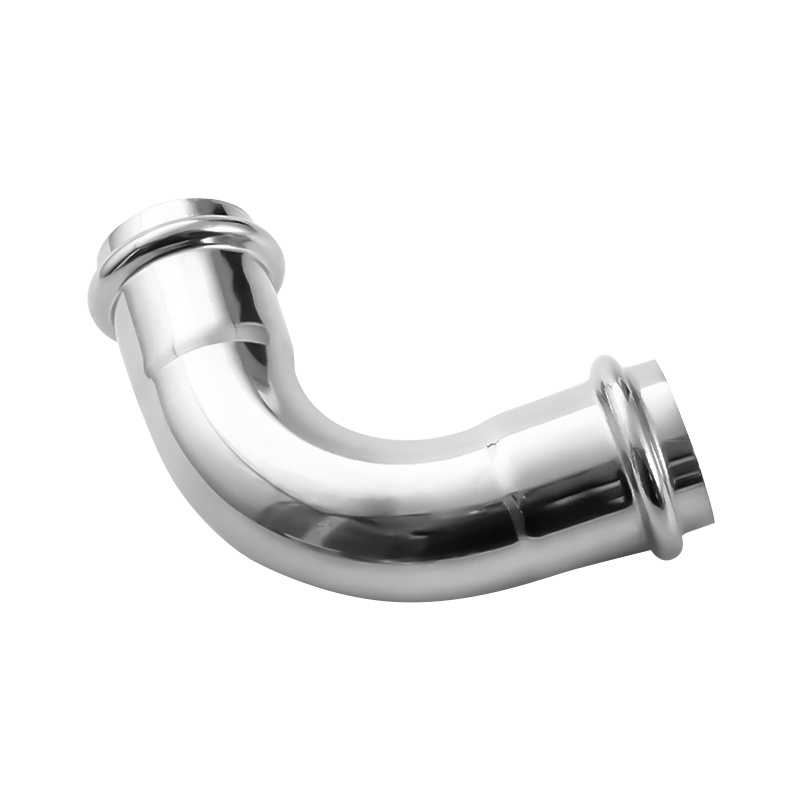
Stainless Steel Flanged Flow Splitters have become an essential component in the realm of plumbing and fluid management within the construction industry. These devices are engineered to efficiently divide the flow of liquids, making them invaluable in various applications such as heating, cooling, and water distribution systems. Their design typically features flanged connections, allowing for easy installation and maintenance, which is crucial in both residential and commercial settings.
One of the primary advantages of using stainless steel as the material for flow splitters is its excellent resistance to corrosion. In an industry where exposure to moisture and various chemicals is commonplace, stainless steel offers durability that significantly extends the lifespan of the device. This resilience ensures that system downtime due to maintenance or replacement is minimized, ultimately saving on operational costs.
Stainless Steel Flanged Flow Splitters are designed to handle different flow rates, making them versatile tools for professionals in the construction and plumbing sectors. Whether for a large-scale industrial application or a more modest residential setup, these splitters can be tailored to meet specific flow requirements. Their ability to manage varying fluid pressures without compromising performance is another key feature that enhances their utility.
The installation of a flanged flow splitter is generally straightforward, as the flanges provide a secure and leak-proof connection when paired with gaskets and bolts. This aspect is particularly beneficial for contractors and builders, as it allows for faster installation times and reduces the risk of installation errors that could lead to costly leaks or system failures. Additionally, the ease of assembly and disassembly simplifies maintenance efforts, ensuring that any necessary repairs or inspections can be performed without significant disruption to the system.
In the context of the construction and decorative materials industry, understanding the specific applications of Stainless Steel Flanged Flow Splitters is crucial. They are often employed in hydronic heating systems, cooling towers, and irrigation systems, where precise fluid distribution is critical. Their efficiency in directing water and other fluids makes them a preferred choice among professionals tasked with developing reliable plumbing infrastructures.
Furthermore, the flow splitter's compatibility with various types of piping systems further enhances its appeal. Whether integrating into existing setups or designing new systems, the flexibility of these devices supports a wide range of configurations.
In conclusion, Stainless Steel Flanged Flow Splitters are indispensable components in the plumbing and construction sectors, offering durability, ease of installation, and versatility. Their ability to efficiently manage fluid distribution is vital for ensuring the smooth operation of various systems, making them a worthy investment for professionals in the industry. By understanding their functionality and applications, industry experts can better leverage these tools to enhance project outcomes and client satisfaction.

Contact Us
E-mail :
lena@gysusstainless.com
WhatsApp:
13580506972
Address:
First Floor, No. 147, Pacific Industrial Zone, Xintang Town, Zengcheng District, Guangzhou City, Guangdong Province

Search for the product you want to know
Contact Us
First Floor, No. 147, Pacific Industrial Zone, Xintang Town, Zengcheng District, Guangzhou City, Guangdong Province
Focus on the research and development, customization, production, and sales of stainless steel water separators and stainless steel pipe fittings