To provide high-quality stainless steel water separators for global customers.
Maximize Efficiency with Stainless Steel Flanged Flow Splitters in Water Systems
Dec 25,2025
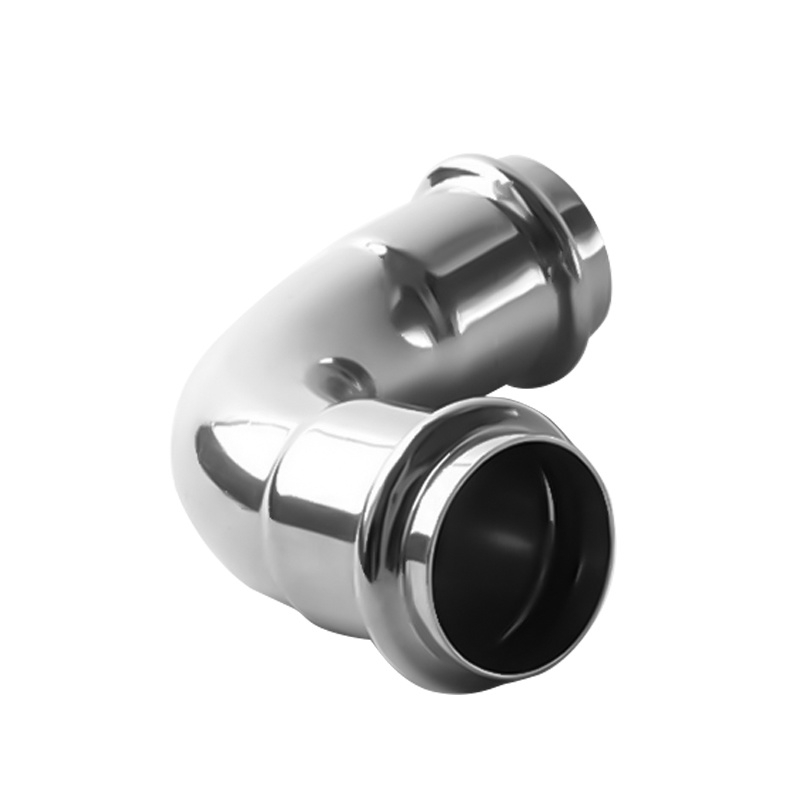
Maximize Efficiency with Stainless Steel Flanged Flow Splitters in Water Systems
Introduction: The Role of Flow Splitters in Water Systems
Water systems are critical components in various industries, ensuring the effective distribution and management of water. At the heart of these systems lies the need for efficiency and reliability. One significant element that aids in achieving this is the **stainless steel flanged flow splitter**. By effectively dividing water flow, these devices enhance the performance of plumbing, heating, and cooling systems, reducing waste and improving overall functionality.
Understanding Stainless Steel Flanged Flow Splitters
A flanged flow splitter is a device designed to distribute water evenly across multiple outlets. Made from stainless steel, these splitters are resistant to corrosion and wear, ensuring longevity and reliability. Their flanged design allows for easy installation and secure connections, making them ideal for various water management applications.
Why Choose Stainless Steel?
Stainless steel offers several advantages in the context of flow splitters:
- **Corrosion Resistance**: Stainless steel can withstand harsh environments, making it suitable for both indoor and outdoor use.
- **Durability**: This material has a long lifespan, reducing the need for frequent replacements.
- **Sustainability**: Stainless steel is recyclable, making it an environmentally friendly option.
Components of a Flanged Flow Splitter
To understand how a stainless steel flanged flow splitter functions, it's essential to familiarize ourselves with its main components:
- **Body**: The main structure that houses the internal flow channels.
- **Flanges**: These are flat pieces attached to either end of the body, facilitating easy connection to pipes.
- **Inlet and Outlets**: The inlet directs the incoming water flow, while the outlets allow for distribution to various lines.
Benefits of Using Stainless Steel Flanged Flow Splitters
Implementing stainless steel flanged flow splitters in your water systems can lead to numerous advantages:
1. Enhanced Efficiency
By effectively distributing water flow, these splitters minimize pressure drops and ensure an even flow rate across all outlets. This balance is crucial for maintaining efficient water systems, whether in residential plumbing or industrial applications.
2. Cost-Effectiveness
While the initial investment in stainless steel components may be higher than alternatives, the durability and reduced maintenance costs lead to long-term savings. Fewer replacements mean less downtime and lower operational costs.
3. Improved Water Quality
Stainless steel is less prone to leaching compared to other materials. This characteristic helps maintain the quality of the water, making it ideal for drinking water systems and other applications requiring high water quality standards.
4. Versatility and Adaptability
Stainless steel flanged flow splitters can be used in various applications, from residential plumbing to complex industrial systems. Their adaptability allows them to be customized to fit specific needs and configurations.
Applications of Stainless Steel Flanged Flow Splitters
Stainless steel flanged flow splitters are employed in numerous applications across different industries:
1. Hydronic Heating Systems
In hydronic heating systems, flow splitters play a vital role in ensuring an even distribution of heated water. This balance helps improve energy efficiency while providing consistent heating throughout a space.
2. Cooling Systems
For cooling systems, a well-functioning flow splitter ensures that chilled water reaches all areas that require cooling. This efficiency is crucial in maintaining optimal temperature levels in various settings.
3. Irrigation Systems
In agriculture, stainless steel flow splitters help evenly distribute water across irrigation lines, optimizing water usage and promoting healthy crop growth.
4. Industrial Processes
Many industrial applications rely on precise water distribution. Flow splitters ensure that water used in processes is delivered accurately and efficiently, enhancing productivity.
Installation Best Practices for Stainless Steel Flanged Flow Splitters
To maximize the efficiency of your stainless steel flanged flow splitters, proper installation is crucial:
1. Ensure Compatibility
Before installation, confirm that the flow splitter is compatible with existing pipes and fittings. This compatibility is essential for preventing leaks and ensuring optimal performance.
2. Use Proper Sealants
During installation, using appropriate sealants or gaskets can help prevent leaks at the flanged connections. This practice contributes to maintaining system pressure and efficiency.
3. Regular Maintenance
While stainless steel is durable, regular inspections are recommended. Checking for signs of wear, corrosion, or leaks can help prolong the lifespan of your flow splitters.
Choosing the Right Stainless Steel Flanged Flow Splitter
Selecting the right flow splitter for your application involves several considerations:
1. Flow Rate Requirements
Evaluate the flow rate requirements for your specific application. The chosen splitter should accommodate current and anticipated flow needs without causing pressure drops.
2. Size and Configuration
Flow splitters come in various sizes and configurations. Choose a size that fits your system's layout and allows for easy integration.
3. Design Features
Some flow splitters feature additional design elements, such as internal flow straighteners or pressure balancing capabilities. These features can further enhance efficiency and performance.
FAQs about Stainless Steel Flanged Flow Splitters
1. What are the main advantages of using stainless steel flow splitters?
Stainless steel flow splitters provide durability, corrosion resistance, improved water quality, and cost-effectiveness due to their long lifespan and reduced maintenance needs.
2. Can stainless steel flow splitters be used in potable water applications?
Yes, stainless steel is suitable for potable water systems as it does not leach harmful substances, ensuring safe drinking water quality.
3. How do I maintain my stainless steel flanged flow splitter?
Regular inspections for leaks and wear, along with periodic cleaning, will help maintain the performance and longevity of your flow splitter.
4. Are there different types of flow splitters available?
Yes, flow splitters come in various designs and configurations to meet different application requirements, including standard and custom options.
5. How can I determine the right size flow splitter for my system?
Evaluate your system's flow rate requirements and consult with a professional to choose a splitter that fits the expected flow needs without causing pressure drops.
Conclusion: Enhancing Water Systems with Stainless Steel Flanged Flow Splitters
Incorporating stainless steel flanged flow splitters into your water systems can significantly enhance efficiency, durability, and overall performance. By understanding the benefits, applications, and best practices associated with these devices, organizations can ensure that their water management systems operate smoothly and effectively. Investing in high-quality stainless steel flanged flow splitters not only promotes efficiency but also contributes to long-term cost savings and improved water quality—key factors for any successful water system. With the right approach, you can maximize the potential of your water systems and achieve superior results that stand the test of time.

Contact Us
E-mail :
lena@gysusstainless.com
WhatsApp:
13580506972
Address:
First Floor, No. 147, Pacific Industrial Zone, Xintang Town, Zengcheng District, Guangzhou City, Guangdong Province

Search for the product you want to know
Contact Us
First Floor, No. 147, Pacific Industrial Zone, Xintang Town, Zengcheng District, Guangzhou City, Guangdong Province
Focus on the research and development, customization, production, and sales of stainless steel water separators and stainless steel pipe fittings