To provide high-quality stainless steel water separators for global customers.
Stainless Steel Flanged Flow Splitters: A Durable Solution for Modern Plumbing
Jan 16,2026
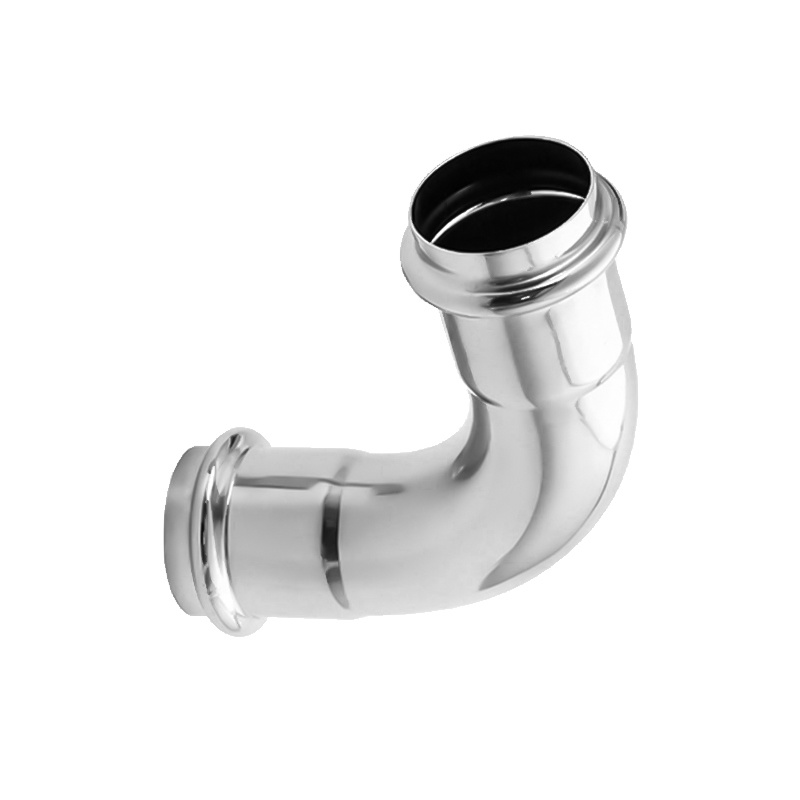
Introduction to Stainless Steel Flanged Flow Splitters
In the realm of modern plumbing, the choice of materials and components plays a crucial role in ensuring efficiency and longevity. Among these components, **stainless steel flanged flow splitters** have emerged as a top-tier solution for various plumbing systems. Their robust construction, resistance to corrosion, and ease of installation make them the ideal choice for both residential and commercial applications.
This guide delves deep into the features, benefits, and maintenance of stainless steel flanged flow splitters, providing you with everything you need to understand why they are essential for your plumbing needs.
What Are Stainless Steel Flanged Flow Splitters?
Stainless steel flanged flow splitters are specialized fixtures used in plumbing systems to divide or distribute water flow evenly across multiple outlets. Designed with flanged connections, these splitters ensure a secure and leak-free installation. Their construction from stainless steel not only enhances their durability but also provides excellent resistance to environmental factors such as moisture and chemicals.
Key Features of Stainless Steel Flanged Flow Splitters
1. **Corrosion Resistance**: Stainless steel is known for its ability to withstand corrosion, making these splitters suitable for a wide range of applications, including water treatment, heating systems, and industrial processes.
2. **High Strength**: The robust nature of stainless steel allows these splitters to handle high pressures, ensuring reliable performance even in demanding environments.
3. **Versatile Applications**: These flow splitters can be used in various systems, from residential plumbing to large-scale industrial installations, making them a versatile choice for any project.
Why Choose Stainless Steel Flanged Flow Splitters?
The choice to use stainless steel flanged flow splitters over other materials is driven by several benefits that they offer.
Durability and Longevity
One of the most compelling reasons for choosing stainless steel flow splitters is their durability. Unlike plastic or other metal alternatives, stainless steel can withstand extreme temperatures and pressures, ensuring a long lifespan. This durability translates into lower replacement costs and reduced maintenance over time.
Enhanced Performance
Stainless steel flanged flow splitters are designed to provide optimal flow rates with minimal pressure loss. This efficiency not only improves the overall performance of the plumbing system but also contributes to energy savings in heating or cooling applications.
Easy Installation and Maintenance
Installation of stainless steel flanged flow splitters is straightforward, thanks to their flanged design, which allows for easy connection to pipes. Additionally, maintaining these splitters is hassle-free, as stainless steel requires minimal upkeep to preserve its appearance and functionality.
Applications of Stainless Steel Flanged Flow Splitters
Stainless steel flanged flow splitters are utilized across various sectors, demonstrating their versatility and reliability.
Residential Plumbing Systems
In residential applications, these flow splitters are commonly used in hydronic heating systems, radiant floor heating, and hot water distribution. Their ability to manage multiple outlets efficiently makes them ideal for homes with complex plumbing layouts.
Commercial and Industrial Use
In commercial and industrial settings, stainless steel flanged flow splitters are essential for efficient water management. They are often found in:
- Water treatment plants
- HVAC systems
- Cooling towers
- Manufacturing processes
Their durability ensures that they can handle the rigorous demands of these environments.
Fire Protection Systems
Fire suppression systems also benefit from the use of stainless steel flanged flow splitters. They can effectively distribute water to various sprinkler heads, ensuring optimal coverage and compliance with safety regulations.
Installation Process for Stainless Steel Flanged Flow Splitters
Understanding the installation process for stainless steel flanged flow splitters is crucial for achieving optimal performance.
Step-by-Step Installation Guide
1. **Preparation**: Ensure that all necessary tools and materials are at hand, including gaskets, bolts, and a wrench.
2. **Pipe Alignment**: Align the splitter with the existing pipes, ensuring that the flanged connections are properly positioned.
3. **Gasket Placement**: Place a gasket between the flanges to prevent leaks.
4. **Bolting the Flanges**: Secure the splitters by tightening the bolts in a crisscross pattern to ensure even pressure distribution.
5. **Testing for Leaks**: After installation, test the system for leaks by running water through it and checking all connections.
Common Mistakes to Avoid During Installation
- **Neglecting Gasket Installation**: Failing to use a gasket can lead to leaks.
- **Over-tightening Bolts**: Applying too much pressure can warp the flanges, compromising the seal.
- **Ignoring Manufacturer Guidelines**: Always refer to the manufacturer's instructions for specific installation requirements.
Maintenance Tips for Stainless Steel Flanged Flow Splitters
To ensure the longevity and efficiency of your stainless steel flanged flow splitters, regular maintenance is essential.
Routine Inspections
Conduct routine inspections to check for signs of wear, leaks, or corrosion. Early detection allows for timely repairs, extending the life of the component.
Cleaning Procedures
Keep the flow splitters clean by removing any buildup of debris or sediment that may affect performance. Use a mild detergent and a soft cloth to clean the surface without scratching the stainless steel.
Addressing Corrosion
Even though stainless steel is resistant to corrosion, it’s important to monitor for any signs of rust or degradation. If corrosion is detected, consult a professional for appropriate treatment options.
Comparing Stainless Steel Flanged Flow Splitters to Other Materials
When selecting flow splitters, it’s important to consider other materials and their limitations compared to stainless steel.
Plastic Flow Splitters
While plastic flow splitters are lightweight and cost-effective, they lack the strength and heat resistance of stainless steel. They are more prone to cracking under pressure and have a shorter lifespan.
Cast Iron Flow Splitters
Cast iron flow splitters offer strength but are susceptible to rust and corrosion, especially in wet environments. They also tend to be heavier, making installation more complex.
Cost Considerations for Stainless Steel Flanged Flow Splitters
Investing in stainless steel flanged flow splitters is a financial commitment that pays off in the long run.
Initial Costs vs. Long-Term Savings
While the upfront cost of stainless steel splitters may be higher compared to alternatives, their durability and low maintenance requirements lead to cost savings over time. Fewer replacements and repairs mean more money saved in the long term.
Budgeting for Installation and Maintenance
When budgeting for stainless steel flow splitters, consider the costs associated with installation, including labor and any additional materials needed. Regular maintenance should also be factored into your budget to ensure optimal performance.
FAQs About Stainless Steel Flanged Flow Splitters
1. What sizes do stainless steel flanged flow splitters come in?
Stainless steel flanged flow splitters are available in various sizes, typically ranging from 1 inch to 12 inches, depending on the specific application.
2. Can stainless steel flow splitters be used with other materials?
Yes, stainless steel flanged flow splitters can be used in systems with other materials, provided compatible fittings and gaskets are used.
3. How do I know if a flow splitter is the right fit for my plumbing system?
Consult a plumbing professional or refer to the manufacturer's specifications to determine the right size and type of flow splitter for your specific system requirements.
4. Are stainless steel flanged flow splitters environmentally friendly?
Yes, stainless steel is 100% recyclable, making it an eco-friendly choice compared to plastic alternatives.
5. What should I do if I experience leaks after installation?
If leaks occur, check the flanged connections and ensure that gaskets are correctly installed. If issues persist, consult a plumbing professional for assistance.
Conclusion
Stainless steel flanged flow splitters represent a **durable and efficient solution** for modern plumbing needs. Their robust construction, resistance to corrosion, and versatility make them an ideal choice for various applications, from residential to industrial. By understanding their features, installation processes, and maintenance requirements, plumbing professionals can ensure optimal performance and longevity. Investing in stainless steel flanged flow splitters not only enhances the efficiency of plumbing systems but also contributes to long-term cost savings. Embrace the superior quality and performance that stainless steel flanged flow splitters offer for your next plumbing project.

Contact Us
E-mail :
lena@gysusstainless.com
WhatsApp:
13580506972
Address:
First Floor, No. 147, Pacific Industrial Zone, Xintang Town, Zengcheng District, Guangzhou City, Guangdong Province

Search for the product you want to know
Contact Us
First Floor, No. 147, Pacific Industrial Zone, Xintang Town, Zengcheng District, Guangzhou City, Guangdong Province
Focus on the research and development, customization, production, and sales of stainless steel water separators and stainless steel pipe fittings