To provide high-quality stainless steel water separators for global customers.
How to Ensure Quality in Stainless Steel Pipe Fittings for Waterworks
Jan 30,2026
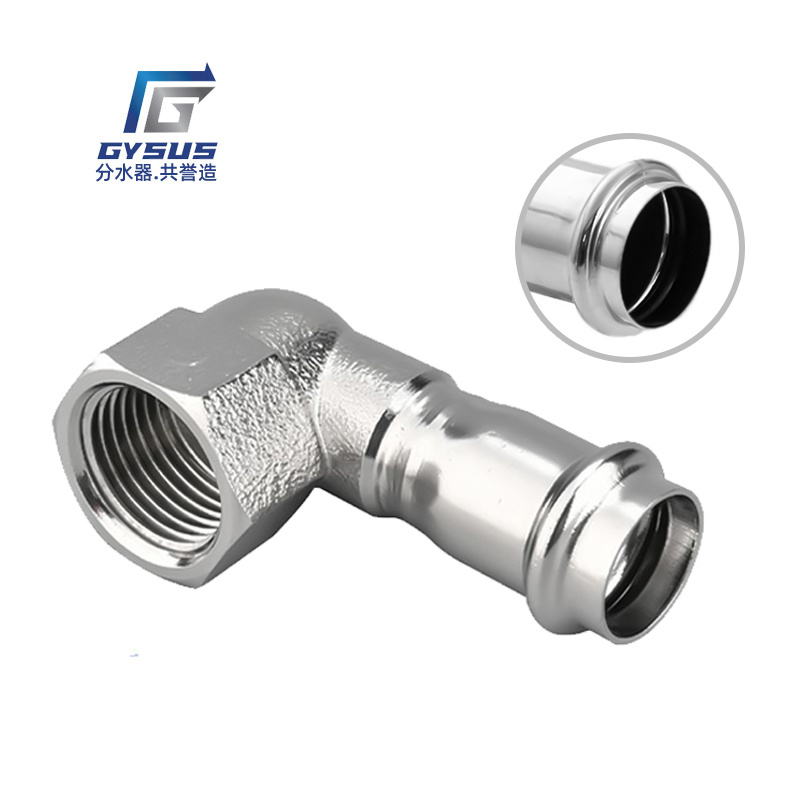
How to Ensure Quality in Stainless Steel Pipe Fittings for Waterworks
Table of Contents
1. Introduction to Stainless Steel Pipe Fittings
2. Understanding Stainless Steel Grades and Their Importance
3. Key Factors Affecting Quality in Pipe Fittings
3.1 Material Composition
3.2 Manufacturing Processes
4. Industry Standards and Certifications
5. Testing Methods for Quality Assurance
5.1 Visual Inspection
5.2 Pressure Testing
5.3 Non-Destructive Testing (NDT)
6. Selecting Reputable Suppliers
7. Maintenance and Inspection Practices
8. FAQs about Stainless Steel Pipe Fittings
9. Conclusion
1. Introduction to Stainless Steel Pipe Fittings
In the realm of **waterworks**, ensuring the integrity and quality of **stainless steel pipe fittings** is paramount. These components play a critical role in transporting water safely and efficiently. Any compromise in quality can lead to leaks, contamination, and costly repairs. This article aims to provide an in-depth understanding of how to ensure quality in stainless steel pipe fittings, focusing on critical factors such as material choices, manufacturing processes, standards, and testing methods.
2. Understanding Stainless Steel Grades and Their Importance
When discussing stainless steel pipe fittings, it is essential to recognize that not all stainless steel is created equal. The grade of stainless steel used significantly affects the durability, corrosion resistance, and overall performance of the fittings. Common grades include **304**, **316**, and **317**, each offering varying levels of resistance to corrosion and heat.
Grade 304 is typically used for waterworks due to its excellent corrosion resistance and affordability. However, for environments that are highly corrosive, such as marine or chemical applications, Grade 316 is preferred because it contains molybdenum, which enhances resistance to saltwater and chlorides.
3. Key Factors Affecting Quality in Pipe Fittings
Understanding the key factors that contribute to the quality of stainless steel pipe fittings is crucial. These factors can be divided into two main categories: material composition and manufacturing processes.
3.1 Material Composition
The composition of the stainless steel alloy is fundamental in determining its characteristics. Elements such as chromium, nickel, and molybdenum influence corrosion resistance and mechanical strength. It is vital to source materials from reputable suppliers who provide mill test certificates to ensure that the fittings meet the required specifications.
3.2 Manufacturing Processes
The manufacturing process significantly impacts the quality of stainless steel pipe fittings. Processes such as forging, machining, and welding require stringent quality controls. Forged fittings are generally stronger and have better integrity than cast fittings. Additionally, the welding process must be executed with precision to avoid weaknesses in the joint areas.
4. Industry Standards and Certifications
Compliance with industry standards is critical for ensuring the quality of stainless steel pipe fittings. Organizations such as the American Society for Testing and Materials (ASTM) and the American National Standards Institute (ANSI) establish guidelines for manufacturing and testing. Look for certifications such as ISO 9001, which indicates a commitment to quality management systems.
5. Testing Methods for Quality Assurance
To guarantee the quality of stainless steel pipe fittings, various testing methods should be employed. These methods ensure that the fittings can withstand the pressures and conditions they will face in service.
5.1 Visual Inspection
Visual inspection is the first line of defense in quality assurance. Inspectors should check for surface defects, irregularities, and any signs of corrosion before the fittings are put into service.
5.2 Pressure Testing
Pressure testing is essential to verify the integrity of pipe fittings. This test involves subjecting the fittings to high pressure to ensure they can handle operational stresses without leaking.
5.3 Non-Destructive Testing (NDT)
NDT methods, such as ultrasonic or radiographic testing, provide a way to inspect the fittings without causing damage. These techniques allow for the detection of internal flaws that may not be visible during a standard visual inspection.
6. Selecting Reputable Suppliers
Choosing the right supplier is vital for ensuring the quality of stainless steel pipe fittings. Look for suppliers with a proven track record, positive customer reviews, and certifications that demonstrate their commitment to quality. Establishing a long-term relationship with a reliable supplier can provide peace of mind regarding product quality and consistency.
7. Maintenance and Inspection Practices
Even high-quality stainless steel pipe fittings require regular maintenance and inspection to ensure longevity. Developing a proactive maintenance schedule can prevent issues from arising. This includes periodic inspections for corrosion, leaks, and general wear and tear. Regular cleaning and proper handling during installation can also extend the life of the fittings.
8. FAQs about Stainless Steel Pipe Fittings
What are the advantages of using stainless steel pipe fittings in waterworks?
Stainless steel pipe fittings offer excellent corrosion resistance, durability, and low maintenance requirements, making them ideal for waterworks applications.
How can I determine the correct stainless steel grade for my project?
The correct grade depends on the environment the fittings will be exposed to. For standard applications, Grade 304 is suitable, while Grade 316 is better for harsher environments.
What testing methods are commonly used to assess the quality of stainless steel pipe fittings?
Common testing methods include visual inspection, pressure testing, and non-destructive testing (NDT).
How important is it to choose a certified supplier for stainless steel fittings?
Choosing a certified supplier ensures that the fittings meet industry standards for quality and safety, reducing the risk of failures.
What maintenance is required for stainless steel pipe fittings?
Regular inspections for corrosion and damage, along with periodic cleaning, are essential to maintain the integrity and longevity of stainless steel fittings.
9. Conclusion
Ensuring the quality of stainless steel pipe fittings for waterworks is a multifaceted process that requires attention to material selection, manufacturing practices, adherence to standards, and rigorous testing. By understanding these components and focusing on sourcing from reputable suppliers, we can guarantee that the infrastructure supporting our waterworks is reliable and efficient. Regular maintenance and inspections further reinforce the longevity and safety of these crucial components, ultimately contributing to the overall effectiveness of water distribution systems. Prioritizing quality in stainless steel pipe fittings not only safeguards our water supply but also enhances the resilience of our infrastructure.

Contact Us
E-mail :
lena@gysusstainless.com
WhatsApp:
13580506972
Address:
First Floor, No. 147, Pacific Industrial Zone, Xintang Town, Zengcheng District, Guangzhou City, Guangdong Province

Search for the product you want to know
Contact Us
First Floor, No. 147, Pacific Industrial Zone, Xintang Town, Zengcheng District, Guangzhou City, Guangdong Province
Focus on the research and development, customization, production, and sales of stainless steel water separators and stainless steel pipe fittings