To provide high-quality stainless steel water separators for global customers.
Enhancing Water Flow Management with Stainless Steel Flanged Flow Splitters: The Ultimate Guide
Feb 07,2026
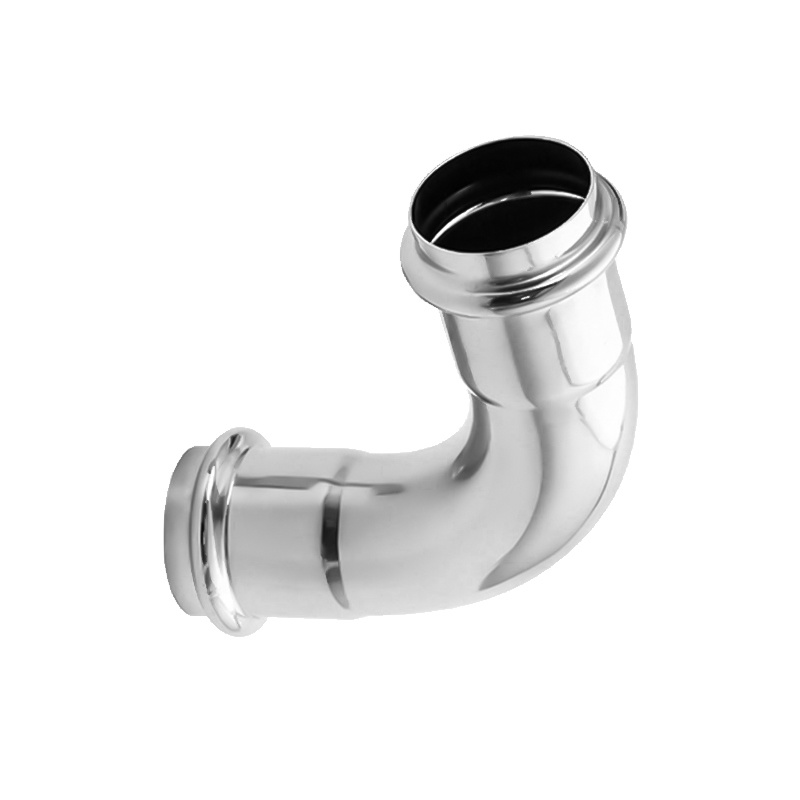
Enhancing Water Flow Management with Stainless Steel Flanged Flow Splitters
Water flow management is a crucial aspect of modern construction and plumbing systems. Efficient management not only ensures optimal performance but also reduces risks associated with water damage. In recent years, stainless steel flanged flow splitters have emerged as a vital component that enhances water flow management. This article delves into the advantages, applications, and features of stainless steel flanged flow splitters, providing professionals with the essential knowledge to make informed decisions.
The Importance of Effective Water Flow Management
Effective water flow management is essential for maintaining the integrity of plumbing systems. Poorly managed water flow can lead to various issues, including leaks, water pressure drops, and increased maintenance costs. By understanding the dynamics of water flow, professionals can design systems that optimize performance while minimizing potential problems.
Key Challenges in Water Flow Management
Managing water flow effectively poses several challenges, including:
1. **Variable Water Pressure**: Fluctuating water pressure can hinder system performance.
2. **Clogging and Blockages**: Debris can accumulate, obstructing flow and causing backups.
3. **Inefficient Distribution**: Uneven water distribution can cause overloading in certain areas.
4. **Maintenance Requirements**: Regular maintenance is necessary to prevent system failures.
By addressing these challenges, professionals can implement strategies to improve overall system efficiency.
What Are Stainless Steel Flanged Flow Splitters?
Stainless steel flanged flow splitters are devices designed to manage and distribute water flow efficiently. These splitters are constructed with durable stainless steel, making them resistant to corrosion and wear. They are typically installed in systems where water needs to be divided into multiple pathways, ensuring balanced flow to various outlets.
Key Features of Stainless Steel Flanged Flow Splitters
Stainless steel flanged flow splitters offer several features that make them advantageous for water flow management:
1. **Corrosion Resistance**: Stainless steel provides excellent resistance to rust and corrosion, ensuring longevity.
2. **Durability**: The robust construction withstands high pressure and temperature fluctuations.
3. **Ease of Installation**: Flanged connections simplify installation and maintenance.
4. **Versatile Applications**: Suitable for various applications, including residential, commercial, and industrial settings.
Benefits of Using Stainless Steel Flanged Flow Splitters
Incorporating stainless steel flanged flow splitters into a plumbing system yields numerous benefits:
1. Enhanced Flow Control
Stainless steel flanged flow splitters allow for precise control of water flow, enabling professionals to tailor the distribution according to the specific needs of the system. This level of control helps prevent issues such as overloading or underperformance in different sections of the plumbing system.
2. Improved System Longevity
Due to their durable material, stainless steel flanged flow splitters have a longer lifespan compared to alternatives made from less resilient materials. This longevity translates to fewer replacements and reduced maintenance costs over time.
3. Cost-Efficiency
Investing in stainless steel flanged flow splitters can lead to significant cost savings. Their durability and reduced maintenance requirements minimize operational costs, making them a cost-effective choice for plumbing systems.
4. Reduced Environmental Impact
By optimizing water flow, these splitters help conserve water and reduce wastage. This environmentally friendly approach aligns with modern sustainability goals, making stainless steel flanged flow splitters an excellent choice for eco-conscious projects.
Applications of Stainless Steel Flanged Flow Splitters
Stainless steel flanged flow splitters are versatile components used across various industries. Their applications include:
1. Residential Plumbing Systems
In residential settings, these splitters are commonly used to distribute water to multiple outlets, such as faucets, showers, and appliances. Proper distribution ensures that every outlet receives adequate pressure and flow.
2. Commercial Facilities
In commercial buildings, stainless steel flanged flow splitters play a vital role in managing water supply to multiple floors or sections. This ensures efficient operation of restrooms, kitchens, and other essential facilities.
3. Industrial Applications
In industrial settings, where large volumes of water are required, stainless steel flanged flow splitters help manage flow rates to various machinery and processes. This efficient distribution is critical for maintaining operational efficiency.
4. Irrigation Systems
These splitters are also used in agricultural irrigation systems to ensure even water distribution across fields. This promotes healthy crop growth and optimizes water usage.
Installation Guidelines for Stainless Steel Flanged Flow Splitters
Proper installation is crucial for maximizing the performance of stainless steel flanged flow splitters. Here are some essential guidelines to follow:
1. Assess the System Requirements
Before installation, assess the specific requirements of the plumbing system. Consider factors such as flow rates, pressure, and the number of outlets to determine the appropriate splitter size.
2. Prepare the Installation Area
Ensure that the installation area is clean and free of debris. Properly align the flanged connections to avoid leaks and ensure a secure fit.
3. Tighten Flange Bolts Securely
When securing the flanged connections, ensure that the bolts are tightened evenly to prevent any stress points that could lead to leaks. Use a torque wrench to achieve the correct tension.
4. Test the System Post-Installation
After installation, conduct thorough tests to check for any leaks or pressure issues. This step is critical to confirm that the splitter is functioning as intended.
Maintenance Tips for Stainless Steel Flanged Flow Splitters
To ensure optimal performance and longevity, regular maintenance of stainless steel flanged flow splitters is essential:
1. Regular Inspections
Schedule routine inspections to check for any signs of wear, corrosion, or leaks. Early detection of issues can prevent costly repairs.
2. Clean the Splitter Periodically
Debris can accumulate within the splitter, affecting its performance. Regular cleaning helps maintain unobstructed flow and optimal efficiency.
3. Monitor Water Pressure
Keep an eye on water pressure levels in the system. Significant fluctuations may indicate blockages or other issues that need to be addressed promptly.
4. Replace Worn Components
If any components of the flow splitter show signs of significant wear, replace them as needed to ensure continued functionality.
Choosing the Right Stainless Steel Flanged Flow Splitters
Selecting the right stainless steel flanged flow splitter is critical to ensuring optimal performance in your plumbing system. Here are some factors to consider:
1. Size and Capacity
Choose a splitter that matches the capacity requirements of your system. Consider both the inlet and outlet sizes to ensure proper fit and functionality.
2. Material Quality
Opt for high-grade stainless steel that offers superior corrosion resistance and durability. Check for certifications and quality standards to ensure reliability.
3. Manufacturer Reputation
Research potential manufacturers and suppliers. Choose brands known for their quality and customer service to ensure you receive a reliable product.
4. Price vs. Value
While cost is a factor, don’t compromise on quality for a lower price. Invest in stainless steel flanged flow splitters that offer the best value in terms of performance and longevity.
Frequently Asked Questions (FAQs)
1. What is the primary function of a flanged flow splitter?
The primary function of a flanged flow splitter is to divide water flow into multiple paths, ensuring balanced distribution to various outlets in a plumbing system.
2. Why choose stainless steel over other materials for flow splitters?
Stainless steel offers superior corrosion resistance, durability, and longevity compared to other materials, making it an ideal choice for plumbing applications.
3. Can stainless steel flanged flow splitters handle high-pressure systems?
Yes, stainless steel flanged flow splitters are designed to withstand high pressures, making them suitable for various applications, including industrial settings.
4. How often should flow splitters be inspected for maintenance?
Routine inspections should be conducted at least once a year, or more frequently in high-use systems, to ensure optimal performance and catch any issues early.
5. Are flanged flow splitters easy to install?
Yes, flanged flow splitters are designed for easy installation, especially when using flanged connections that simplify the assembly process.
Conclusion
Stainless steel flanged flow splitters are essential components for enhancing water flow management in various plumbing systems. Their durability, corrosion resistance, and efficient flow distribution make them a preferred choice for professionals across industries. By understanding their features, benefits, and installation requirements, construction and plumbing professionals can make informed decisions that lead to improved system efficiency and longevity. Investing in high-quality stainless steel flanged flow splitters ultimately contributes to effective water management, reduced operational costs, and sustainable practices in modern plumbing applications.

Contact Us
E-mail :
lena@gysusstainless.com
WhatsApp:
13580506972
Address:
First Floor, No. 147, Pacific Industrial Zone, Xintang Town, Zengcheng District, Guangzhou City, Guangdong Province

Search for the product you want to know
Contact Us
First Floor, No. 147, Pacific Industrial Zone, Xintang Town, Zengcheng District, Guangzhou City, Guangdong Province
Focus on the research and development, customization, production, and sales of stainless steel water separators and stainless steel pipe fittings