To provide high-quality stainless steel water separators for global customers.
Understanding Stainless Steel Pipe Fittings: Essential Components for Hydronic Systems
Feb 09,2026
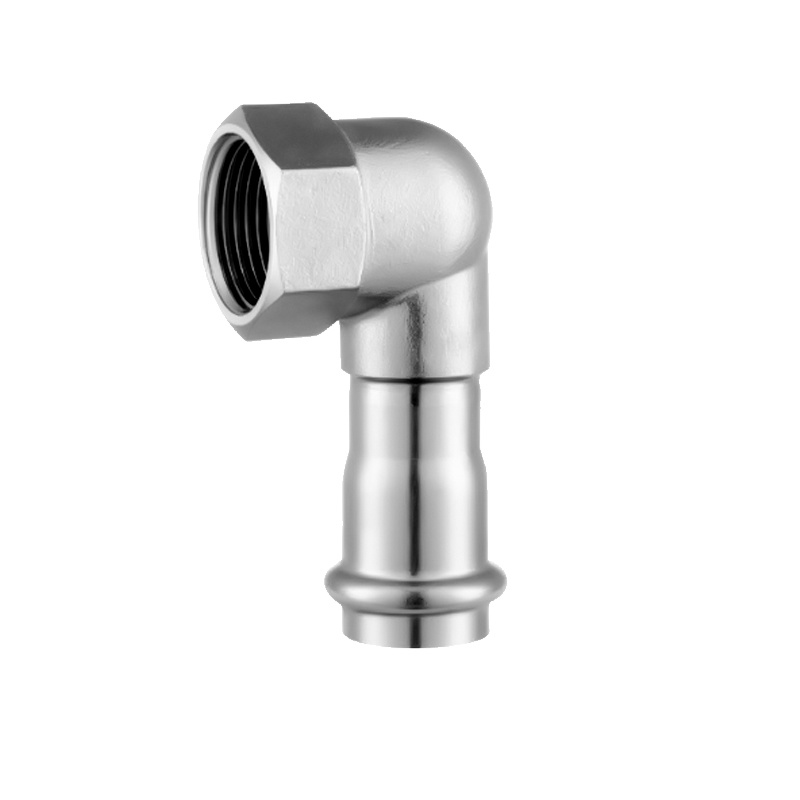
Stainless steel pipe fittings are crucial elements in the construction and plumbing sectors, particularly in hydronic systems where fluid transport is necessary. These fittings are utilized to connect, terminate, and change the direction of piping systems, ensuring fluid flow is uninterrupted and efficient. One of the primary reasons professionals favor stainless steel pipe fittings is their remarkable resistance to corrosion, making them an ideal choice for various applications, including water supply, heating systems, and industrial processes.
The composition of stainless steel, primarily made up of iron, chromium, and nickel, grants it exceptional durability and strength. This resistance to rust and oxidation significantly extends the lifespan of piping systems, reducing the need for frequent replacements and maintenance. Moreover, the aesthetic appeal of stainless steel, which retains its shine and finish over time, makes it a preferred choice in high-visibility installations.
When selecting stainless steel pipe fittings, professionals should consider several factors, including the type of fitting required, the dimensions of the piping, and the specific application. Common types of stainless steel fittings include elbows, tees, couplings, and reducers, each serving distinct purposes. For example, elbows are used to change the direction of the pipe, while tees allow for branch connections. Understanding the specifications of each fitting type is essential for ensuring a seamless installation.
In terms of standards, stainless steel pipe fittings are typically categorized based on schedules, which indicate the wall thickness and pressure ratings. It’s critical to adhere to industry standards to ensure system integrity and safety. Additionally, professionals should be aware of the different grades of stainless steel available, such as 304 and 316. Grade 304 is commonly used in less corrosive environments, while Grade 316 offers enhanced resistance to chlorides, making it suitable for marine and chemical applications.
Another aspect to consider is the jointing method. Stainless steel fittings can be joined using various techniques, including welding, threaded connections, or flanged joints. Each method has its advantages and limitations, so it is vital to choose the most appropriate one based on the specific requirements of the project.
Lastly, it’s essential to stay informed about the latest developments in stainless steel pipe fittings, as innovations in manufacturing techniques can lead to improved performance and sustainability. By understanding the benefits, applications, and selection criteria for stainless steel pipe fittings, professionals in the building and plumbing industries can make informed decisions that enhance the efficiency and reliability of their systems.

Contact Us
E-mail :
lena@gysusstainless.com
WhatsApp:
13580506972
Address:
First Floor, No. 147, Pacific Industrial Zone, Xintang Town, Zengcheng District, Guangzhou City, Guangdong Province

Search for the product you want to know
Contact Us
First Floor, No. 147, Pacific Industrial Zone, Xintang Town, Zengcheng District, Guangzhou City, Guangdong Province
Focus on the research and development, customization, production, and sales of stainless steel water separators and stainless steel pipe fittings