To provide high-quality stainless steel water separators for global customers.
The Role of Stainless Steel Flanged Flow Splitters in Sustainable Building Practices
Feb 27,2026
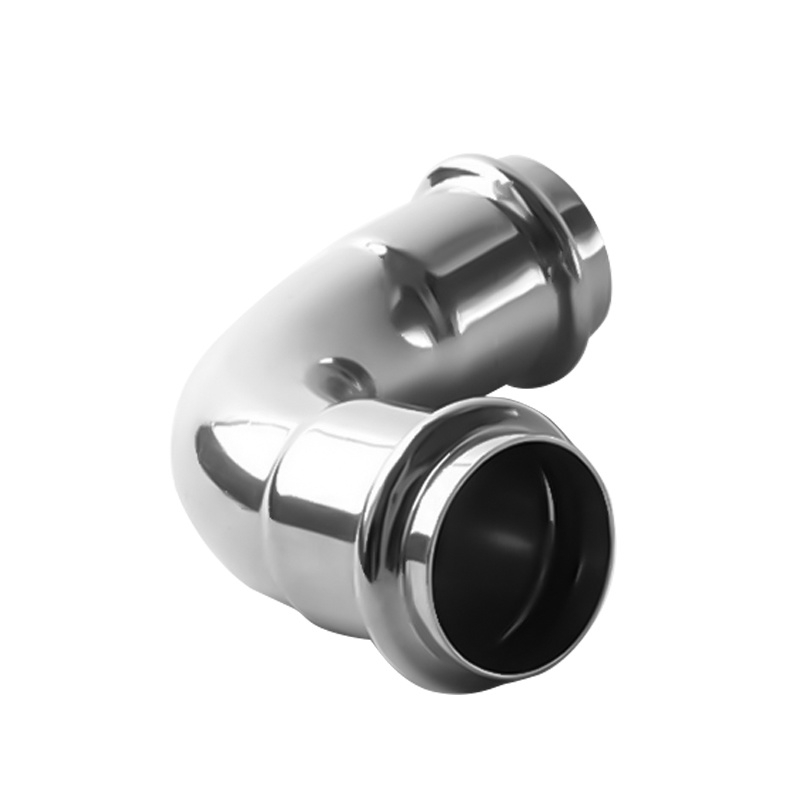
The Role of Stainless Steel Flanged Flow Splitters in Sustainable Building Practices
Table of Contents
1. Introduction to Stainless Steel Flanged Flow Splitters
2. Understanding Sustainable Building Practices
3. The Importance of Flow Splitters in Modern Construction
3.1 What Are Flow Splitters?
3.2 How Stainless Steel Enhances Performance
4. Benefits of Using Stainless Steel Flanged Flow Splitters
4.1 Durability and Corrosion Resistance
4.2 Efficiency in Water Distribution
5. Applications of Flow Splitters in Sustainable Building
5.1 Commercial and Residential Uses
5.2 Integration with Renewable Energy Systems
6. How Flow Splitters Contribute to Energy Efficiency
7. Challenges and Considerations
7.1 Installation and Maintenance
7.2 Cost-Effectiveness
8. Frequently Asked Questions (FAQs)
9. Conclusion
1. Introduction to Stainless Steel Flanged Flow Splitters
In the evolving landscape of construction and architecture, the emphasis on sustainability has taken center stage. An integral part of this shift involves the use of specialized components designed to optimize resource use and minimize waste. One such component is the **stainless steel flanged flow splitter**. These innovative devices play a crucial role in water distribution systems, offering enhanced efficiency and durability, thereby supporting sustainable building practices.
2. Understanding Sustainable Building Practices
Sustainable building practices aim to reduce the environmental footprint of construction projects while promoting the health and well-being of the occupants. This involves using materials and methods that are energy-efficient, minimize waste, and utilize renewable resources. The adoption of sustainable practices is vital in combating climate change and ensuring a healthier planet for future generations.
3. The Importance of Flow Splitters in Modern Construction
3.1 What Are Flow Splitters?
Flow splitters are devices used in plumbing and HVAC systems to evenly distribute water or air among various outlets. They ensure a consistent flow rate, which is essential for the effective functioning of heating, cooling, and irrigation systems. By controlling flow rates, these components help maintain energy efficiency and improve system performance.
3.2 How Stainless Steel Enhances Performance
Stainless steel is a favored material for flow splitters due to its exceptional properties. It offers superior strength, corrosion resistance, and longevity, making it ideal for various applications in both residential and commercial settings. The flanged design further simplifies installation and maintenance, ensuring a secure connection with other plumbing components.
4. Benefits of Using Stainless Steel Flanged Flow Splitters
When considering materials for flow splitters, stainless steel presents several compelling advantages for sustainable building practices.
4.1 Durability and Corrosion Resistance
Stainless steel is renowned for its durability, which is crucial in plumbing systems where exposure to moisture is constant. Unlike other materials that may rust or corrode over time, stainless steel maintains its integrity, reducing the frequency of replacements and repairs. This longevity contributes to lower overall resource consumption and waste.
4.2 Efficiency in Water Distribution
Proper water distribution is vital in maximizing the efficiency of plumbing and irrigation systems. Stainless steel flanged flow splitters ensure an even distribution of water, which is essential for both energy efficiency and resource conservation. By optimizing the flow rate, these devices help reduce water waste, aligning with sustainable practices.
5. Applications of Flow Splitters in Sustainable Building
Stainless steel flanged flow splitters find applications in various sectors, primarily in plumbing, heating, and cooling systems.
5.1 Commercial and Residential Uses
In commercial buildings, flow splitters are integral to large-scale HVAC systems, ensuring efficient heating and cooling across expansive spaces. In residential settings, they aid in achieving optimal water pressure for showers, faucets, and irrigation systems, promoting water conservation and enhancing user comfort.
5.2 Integration with Renewable Energy Systems
As the construction industry embraces renewable energy sources, stainless steel flanged flow splitters are becoming increasingly relevant. They facilitate the efficient transfer of fluids in solar thermal systems and geothermal heating, contributing to overall energy savings and sustainability.
6. How Flow Splitters Contribute to Energy Efficiency
Flow splitters significantly enhance energy efficiency in building systems by maintaining optimal flow rates. By regulating the distribution of water or air, they prevent energy wastage, leading to lower utility bills and reduced environmental impact. This efficiency is particularly beneficial in regions where energy costs are high, making sustainable practices not only environmentally sound but also economically advantageous.
7. Challenges and Considerations
Despite their advantages, the use of stainless steel flanged flow splitters does come with challenges that builders and contractors must consider.
7.1 Installation and Maintenance
While stainless steel is durable, the installation of flow splitters requires skilled labor to ensure proper alignment and sealing. Improper installation can lead to leaks and inefficiencies, negating the sustainability benefits. Regular maintenance is also essential to ensure optimal performance and longevity.
7.2 Cost-Effectiveness
The initial cost of stainless steel components can be higher than alternatives. However, the long-term savings from reduced maintenance and replacements, along with improved energy efficiency, often justify this investment. Builders must weigh upfront costs against long-term benefits when selecting materials for sustainable projects.
8. Frequently Asked Questions (FAQs)
**Q1: What materials are typically used for flow splitters?**
A1: Flow splitters can be made from various materials, including PVC, cast iron, and stainless steel. However, stainless steel is preferred for its durability and corrosion resistance.
**Q2: How do flow splitters improve water conservation?**
A2: Flow splitters distribute water evenly, preventing overuse and wastage. This controlled flow helps maintain efficient irrigation and plumbing systems.
**Q3: Are stainless steel flow splitters suitable for all climates?**
A3: Yes, stainless steel is highly resistant to corrosion, making it suitable for both humid and dry climates, as well as for use in various water conditions.
**Q4: Can flow splitters be integrated into existing systems?**
A4: Yes, stainless steel flanged flow splitters can be retrofitted into existing plumbing or HVAC systems, improving efficiency without the need for complete system replacements.
**Q5: What are the environmental benefits of using stainless steel flow splitters?**
A5: By enhancing energy efficiency, reducing waste, and providing longevity, stainless steel flow splitters contribute to lower environmental impacts and promote sustainable building practices.
9. Conclusion
Stainless steel flanged flow splitters are pivotal in promoting sustainable building practices. Their durability, efficiency, and adaptability make them invaluable in modern construction. By optimizing water and energy distribution, these components not only contribute to significant cost savings but also support the industry's transition towards eco-friendliness. As sustainable practices continue to gain traction, the role of stainless steel flanged flow splitters will undoubtedly become more central in creating a greener future for building and construction.
PREVIOUS:

Contact Us
E-mail :
lena@gysusstainless.com
WhatsApp:
13580506972
Address:
First Floor, No. 147, Pacific Industrial Zone, Xintang Town, Zengcheng District, Guangzhou City, Guangdong Province

Search for the product you want to know
Contact Us
First Floor, No. 147, Pacific Industrial Zone, Xintang Town, Zengcheng District, Guangzhou City, Guangdong Province
Focus on the research and development, customization, production, and sales of stainless steel water separators and stainless steel pipe fittings