To provide high-quality stainless steel water separators for global customers.
A Beginner's Guide to Selecting the Right Stainless Steel Pipe Fittings for Your Projects
Mar 11,2026
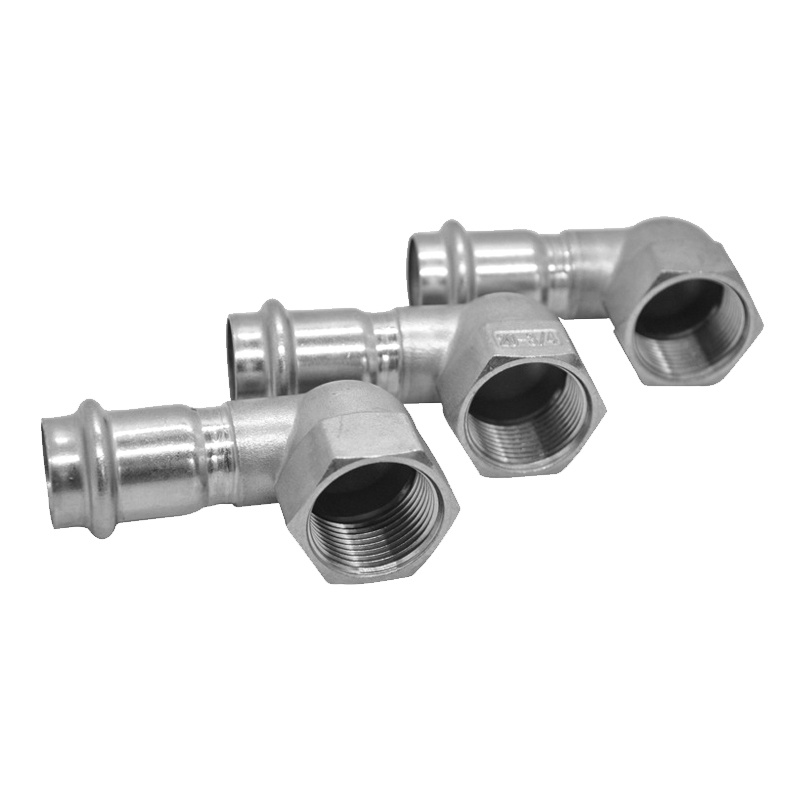
A Beginner's Guide to Selecting the Right Stainless Steel Pipe Fittings for Your Projects
Table of Contents
- 1. Introduction to Stainless Steel Pipe Fittings
- 2. Types of Stainless Steel Pipe Fittings
- 3. Understanding Stainless Steel Grades
- 4. Common Applications for Stainless Steel Pipe Fittings
- 5. Key Criteria for Selecting Stainless Steel Pipe Fittings
- 6. Installation Tips for Stainless Steel Pipe Fittings
- 7. Maintenance of Stainless Steel Pipe Fittings
- 8. Frequently Asked Questions
- 9. Conclusion
1. Introduction to Stainless Steel Pipe Fittings
In the world of plumbing and construction, selecting the right materials is crucial for ensuring the efficiency and longevity of your installations. **Stainless steel pipe fittings** play a vital role in connecting pipes, enhancing structural integrity, and maintaining fluid flow. This guide serves to educate beginners about the essential elements involved in selecting the appropriate stainless steel pipe fittings for various applications.
2. Types of Stainless Steel Pipe Fittings
Understanding the different types of stainless steel pipe fittings is essential for any project. These fittings come in various shapes and sizes, each designed for specific functions.
2.1 Elbows
**Elbows** are curved fittings that allow for directional changes in piping. They can come in angles of 45 or 90 degrees. The choice between these angles depends on the specific plumbing requirements of your project.
2.2 Tees
**Tees** are used to combine or divert fluid from one pipe to two others. They are essential for branching systems and are available in various sizes to fit different pipe diameters.
2.3 Couplings
**Couplings** are fittings that connect two pieces of pipe, allowing for a continuous line. They can be classified into two types: **slip couplings** and **threaded couplings**. Choosing the right coupling type is significant for the type of installation and the pressure ratings.
2.4 Reducers
**Reducers** are fittings that connect pipes of different diameters. They can be used to either increase or decrease the flow of fluids, making them essential in various applications.
3. Understanding Stainless Steel Grades
Stainless steel is available in various grades, each exhibiting different properties and suitability for specific applications. The most common grades include:
- **304 Stainless Steel**: Known for its excellent corrosion resistance and formability, making it ideal for general applications.
- **316 Stainless Steel**: Offers enhanced corrosion resistance, especially in chlorinated environments, making it suitable for marine applications.
- **430 Stainless Steel**: Less expensive and with moderate corrosion resistance, often used in less critical applications.
Selecting the appropriate grade is crucial for ensuring that your fittings withstand the intended environmental conditions.
4. Common Applications for Stainless Steel Pipe Fittings
Stainless steel pipe fittings are versatile and find usage across various industries. Common applications include:
- **Plumbing**: Ensuring that water supply systems function efficiently and reliably.
- **HVAC Systems**: Used in heating, ventilation, and air conditioning systems to manage air and fluid flow.
- **Food and Beverage Industry**: Essential for maintaining hygiene and preventing contamination in food processing.
- **Marine Applications**: Ideal for structures exposed to saltwater, where corrosion resistance is critical.
Understanding these applications will help you select the right fittings for your needs.
5. Key Criteria for Selecting Stainless Steel Pipe Fittings
When selecting stainless steel pipe fittings, there are several crucial criteria to consider to ensure optimal performance.
5.1 Size and Diameter
Choosing the correct **size and diameter** of the fittings is vital for proper fluid flow. Always refer to project specifications and existing pipe dimensions to determine the appropriate size.
5.2 Pressure Ratings
**Pressure ratings** indicate the maximum pressure that a fitting can withstand. It's essential to match the pressure rating of the fittings with the specific requirements of your system to prevent leaks and failures.
5.3 Environmental Considerations
Consider the **environment** in which the fittings will be installed. Factors such as exposure to chemicals, temperature variations, and humidity levels can significantly impact the durability and performance of the fittings.
6. Installation Tips for Stainless Steel Pipe Fittings
Proper installation of stainless steel pipe fittings is essential for ensuring long-term performance. Here are some tips:
- **Use appropriate tools**: Ensure that you have the right tools for cutting and joining pipes. Using the wrong tools can damage the fittings.
- **Follow manufacturer guidelines**: Always adhere to the manufacturer's instructions regarding installation procedures and torque specifications.
- **Inspect for leaks**: After installation, conduct thorough inspections to check for leaks. This step is crucial for preventing future issues.
7. Maintenance of Stainless Steel Pipe Fittings
Regular maintenance ensures the longevity of stainless steel pipe fittings. Here are some maintenance tips:
- **Routine inspections**: Conduct periodic checks for signs of corrosion, leaks, or wear.
- **Cleaning**: Clean fittings regularly to prevent the buildup of dirt and debris, which can affect performance.
- **Repair over replacement**: If minor issues arise, consider repairs instead of replacement to save costs and resources.
8. Frequently Asked Questions
What are the advantages of using stainless steel pipe fittings?
Stainless steel pipe fittings offer excellent corrosion resistance, high strength, and durability, making them ideal for various applications.
How do I choose the right size of stainless steel pipe fittings?
To choose the right size, measure your existing pipes and refer to project specifications to ensure compatibility.
Can stainless steel pipe fittings be used outdoors?
Yes, stainless steel fittings are suitable for outdoor applications due to their resistance to rust and corrosion.
What is the importance of pressure ratings in fittings?
Pressure ratings indicate the maximum pressure a fitting can handle. Choosing the correct rating is essential to prevent failures and leaks in your plumbing system.
Is it necessary to hire a professional for installation?
While DIY installation is possible, hiring a professional ensures that fittings are installed correctly, reducing the risk of future issues.
9. Conclusion
Selecting the right stainless steel pipe fittings is a critical step in ensuring the functionality, durability, and efficiency of plumbing and construction projects. By understanding the various types, materials, applications, and key selection criteria, you can make informed decisions that will serve your project well for years to come. Regular maintenance and proper installation practices further enhance the longevity of your fittings, ensuring they perform optimally in any environment. Armed with the knowledge from this guide, you are now better equipped to tackle your next project with confidence.
PREVIOUS:

Contact Us
E-mail :
lena@gysusstainless.com
WhatsApp:
13580506972
Address:
First Floor, No. 147, Pacific Industrial Zone, Xintang Town, Zengcheng District, Guangzhou City, Guangdong Province

Search for the product you want to know
Contact Us
First Floor, No. 147, Pacific Industrial Zone, Xintang Town, Zengcheng District, Guangzhou City, Guangdong Province
Focus on the research and development, customization, production, and sales of stainless steel water separators and stainless steel pipe fittings