To provide high-quality stainless steel water separators for global customers.


7 Correct Ways to Connect Stainless Steel Pipes
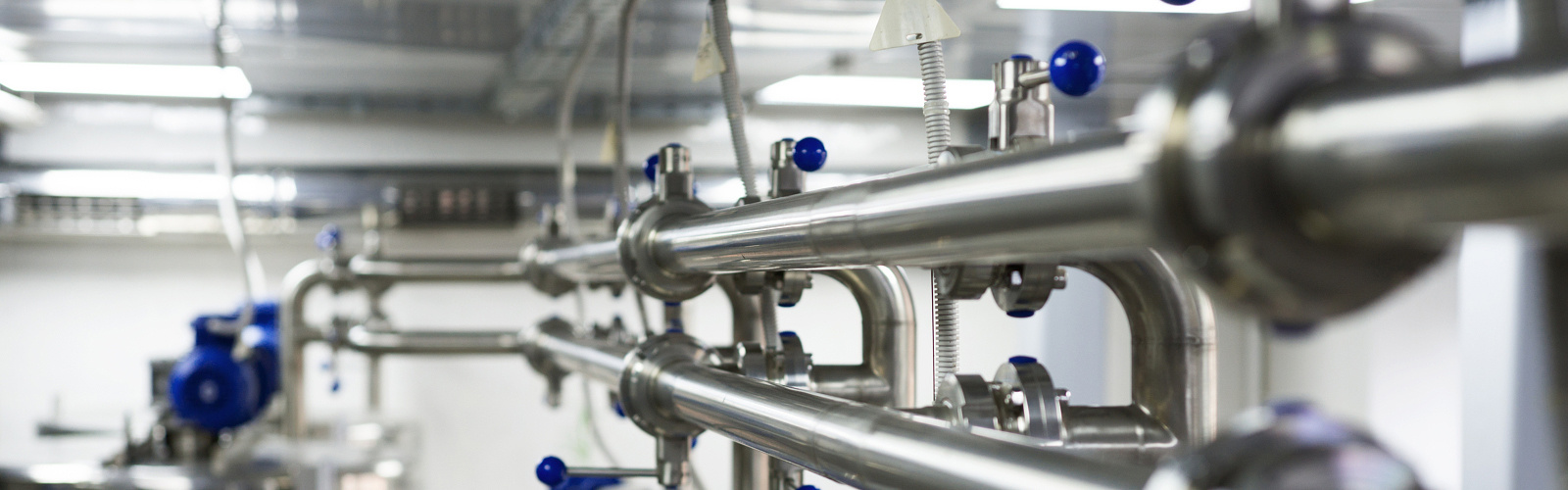
I. Compression connection The working principle of compression fittings is to insert a thin-walled stainless steel pipe into the socket of the compression fitting and use a special compression tool to clamp the stainless steel pipe in the fitting. The cross-section shape of the clamping area is hexagonal, and there is an O-ring seal between the stainless steel pipe and the fitting, giving it the characteristics of leak prevention, pull resistance, vibration resistance, and high-pressure resistance. Therefore, it is an advanced type of connector in drinking water systems, tap water systems, heating systems, steam systems, industrial oil pipe systems, and industrial gas pipe systems. It is suitable for connecting water, oil, and gas pipelines. II. Compression sleeve connection A connection method in which the pipe is clamped to the fitting using a locking nut and an open-end pipe compression ring. Features: The compression sleeve fitting has a short sealing surface, is easy to install, requires no special tools, and is detachable. It is generally used for tap water and gas systems with specifications below 2632. III. Spigot connection Spigot connections are divided into mechanical and non-mechanical interfaces. Mechanical interfaces use a gland and a flange on the pipe end to connect the rubber seal to the gap between the cast iron spigot, compressing the rubber ring to make it tightly against the pipe wall and forming a seal. Non-mechanical interfaces are divided into asbestos cement interfaces, self-stressing cement interfaces, lead-based interfaces, rubber ring interfaces, and welded interfaces depending on the filler material. The sealing ring inside the spigot has two types: hemp yarn and rubber ring. IV. Threaded connection A threaded connection, also known as a screw connection, connects pipes and pipes, and pipes and valves by means of internal and external threads. This type of connection is mainly used for the connection of steel pipes, copper pipes, and high-pressure pipes. V. Flange connection A flange connection is a connection method in which two pipes or fittings are first fixed to a flange each, and then a flange gasket is added between the two flanges, and finally the two flanges are pulled together tightly with bolts. VI. Welded connection Stainless steel pipe welding generally uses argon arc welding for the bottom, manual arc welding for the surface, and argon protection inside the pipe to prevent oxidation of the inner weld seam. For stainless steel pipes with smaller diameters, argon arc welding can also be directly used for the bottom and surface. After stainless steel pipe welding, the weld surface should be pickled and passivated. VII. Groove connection Groove connection, also known as clamp connection, has become the leading technology for liquid and gas pipe connections. The grooved pipe interface is a ring-shaped groove machined on the pipe, fitting, etc., at the pipe joint. It uses a quick-coupling sleeve consisting of a clamp, a rubber sealing ring, and fasteners. During installation, after putting a special-shaped rubber sealing ring on the adjacent pipe ends, they are connected with a split clamp. The inner edge of the clamp fits into the groove and is fastened with fasteners, ensuring the seal of the pipeline. This connection method has the advantages of not damaging the galvanized layer of the steel pipe, quick construction, good sealing, and easy disassembly. It can be used in building water supply, fire water supply, and production water supply pipeline projects.
Advantages and Disadvantages of using 304 Stainless Steel Pipes in Home Decoration
I. Advantages of 304 Stainless Steel Water Pipes for Home Decoration 1. Food-grade 304 stainless steel pipes are a recognized biocompatible and healthy material, and a new type of environmentally friendly and hygienic material in the 21st century. Among the pipes used, cast iron pipes are prone to corrosion and rust, while plastic pipes will leach harmful substances and plasticizers over long-term use, polluting water quality and having a significant impact on health. 2. Food-grade 304 stainless steel pipes have high tensile strength, 3 times that of copper pipes and 8-10 times that of PP-R pipes, and can withstand high-speed water flow impact of 30 meters per second. 3. According to on-site corrosion test data, the service life of stainless steel water pipes is up to 70 years. 4. Stainless steel water pipes have low thermal conductivity and good heat preservation performance, 4 times that of iron pipes and 25 times that of copper pipes, making them especially suitable for hot water pipes. 5. Stainless steel water pipes are recyclable, environmentally friendly, and easy to install and disassemble, without causing environmental pollution. II. Disadvantages of 304 Stainless Steel Water Pipes 1. The installation of 304 stainless steel water pipes requires specialized tools, such as: electric hydraulic presses required for double-crimp connections, including oil pipes, clamps, and jaws. Currently, most plumbers lack experience in installing 304 stainless steel water pipes and require training before installation. 2. The materials used to manufacture 304 stainless steel water pipes are slightly more expensive than those of plastic water pipes, but in the long run, piping costs only account for a small portion of the house Price, which can be completely ignored. Therefore, choosing stainless steel water pipes for home decoration is a wise choice.
Applications of water dividers
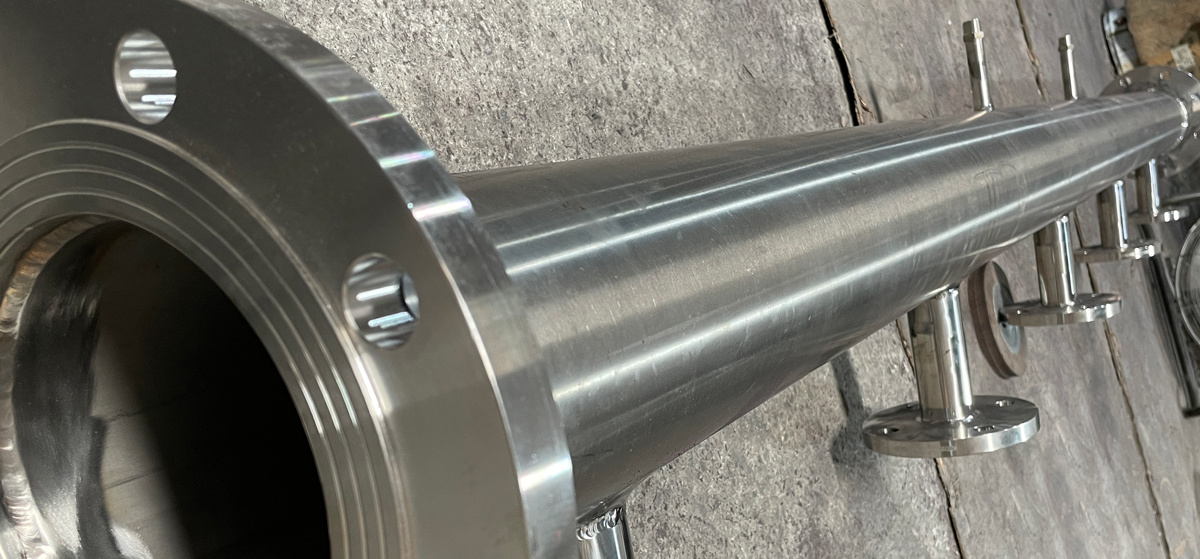
A water distributor is a water distribution device used in water systems to connect the supply and return water of various heating pipes. According to the supply and return water, it is divided into a water distributor and a collector. Therefore, it is called a distribution and collection device or a collection and distribution device, commonly known as a water distributor. A water distributor is commonly used in: 1. Floor heating systems, where the distribution and collection device manages several branch pipelines and is equipped with air release valves, automatic thermostatic valves, etc. 2. Air conditioning water systems or other industrial water systems, where it similarly manages several branch pipelines, including return water branches and supply water branches. Made of steel plate, it belongs to the category of pressure vessels manufactured by specialized companies. It requires the installation of pressure gauges, thermometers, automatic air release valves, safety valves, drain valves, etc. A pressure regulating valve needs to be installed between the two containers, and an automatic bypass pipeline is required for assistance. 3. Municipal water supply systems. The use of water distributors effectively avoids loopholes in municipal water management, concentrates the installation and management of water meters, and reduces the cost of pipe material procurement by using a single pipe with multiple paths. Moreover, it greatly reduces construction time and improves efficiency. Municipal water distributors are directly connected to the main aluminum-plastic pipes through different diameters and are centrally installed in the water meter pool (water meter room) to achieve one meter per household, with outdoor installation and outdoor viewing.
Four Notable Features of a Stainless Steel Water Distributor
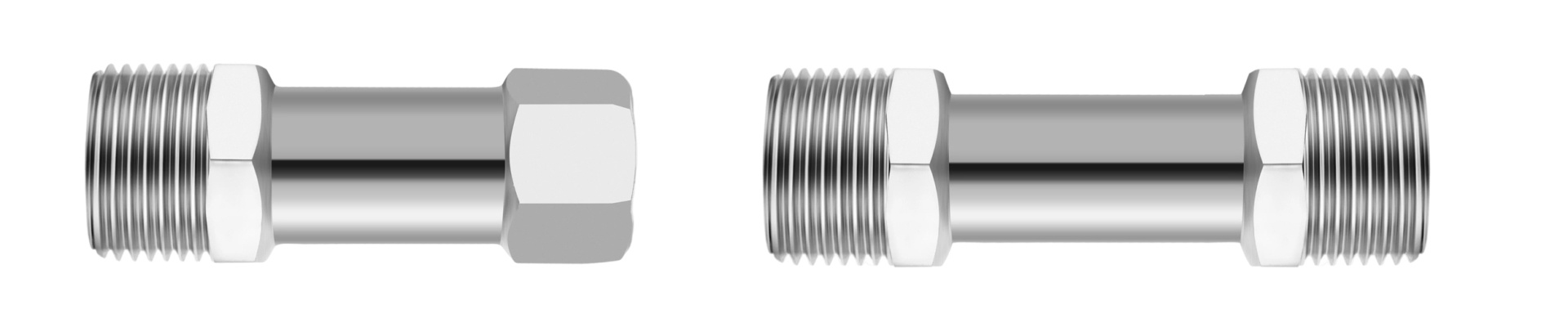
Stainless steel water distributors are ubiquitous in daily life. Their advantages are especially prominent in human health drinking water supply. From a professional perspective, here are four significant features of 304 stainless steel water distributors: 1. Service Life Stainless steel water distribution materials have the longest service life. Analysis of the use of stainless steel abroad shows that the service life of stainless steel pipes can reach 100 years, or at least 70 years, as long as the life of the building. 2. Corrosion Resistance One of the most outstanding advantages of stainless steel water distributors and fittings is their excellent corrosion resistance, the best among various pipe materials. Because stainless steel can undergo passivation with oxidants, forming a tough and dense protective film Dr2O3 of chromium-rich oxide on the surface, effectively preventing further oxidation reactions. Other metal pipes, such as galvanized water pipes and copper pipes, have very little passivation performance. This is the key reason why the corrosion resistance of galvanized and copper pipes is far inferior to stainless steel water distribution materials. 3. Heat Resistance and Insulation The thermal conductivity of stainless steel water distributors is 1/25 that of copper pipes and 1/4 that of ordinary steel pipes, making them particularly suitable for hot water supply. The most commonly used stainless steels in the water industry are 304 and 316 stainless steels, which can meet most water treatment and transportation conditions. 4. Strength The tensile strength of 304 stainless steel water distributors is twice that of steel pipes and 8-10 times that of plastic pipes. The strength of the material determines whether the water pipe is strong, impact-resistant, safe, and reliable. Due to their excellent mechanical properties, stainless steel water distributors and fittings can withstand very high water supply pressures, up to 10 MPa or more, making them particularly suitable for high-rise building water supply.

Search for the product you want to know
Contact Us
First Floor, No. 147, Pacific Industrial Zone, Xintang Town, Zengcheng District, Guangzhou City, Guangdong Province
Focus on the research and development, customization, production, and sales of stainless steel water separators and stainless steel pipe fittings