To provide high-quality stainless steel water separators for global customers.
Top Features to Look for in Your Stainless Steel Flanged Flow Splitters
Apr 22,2026
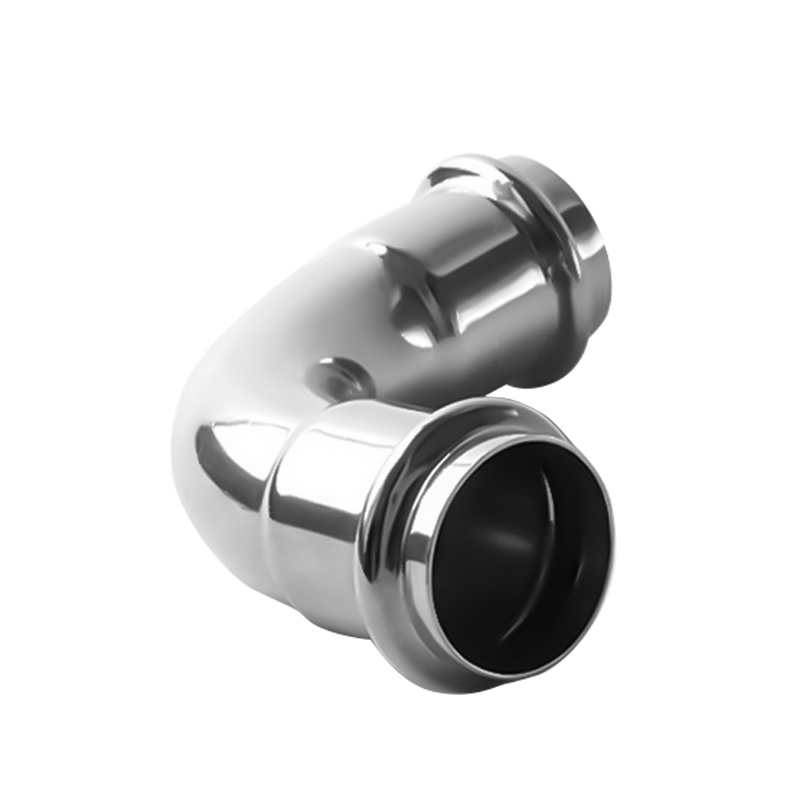
Top Features to Look for in Your Stainless Steel Flanged Flow Splitters
When it comes to plumbing and HVAC systems, the choice of components plays a critical role in overall efficiency and durability. Among these components, **stainless steel flanged flow splitters** stand out for their strength, corrosion resistance, and reliability. In this guide, we will delve into the pivotal features that should guide your selection process when choosing the perfect flow splitter for your needs.
Understanding Stainless Steel Flanged Flow Splitters
Before we dive into the features to look for, it's essential to grasp what stainless steel flanged flow splitters are and their significance in plumbing and HVAC systems. These devices are engineered to evenly distribute fluid flow across multiple outlets, making them indispensable in various applications, including heating, cooling, and water distribution systems.
Why Choose Stainless Steel?
Stainless steel is the material of choice for many industries, thanks to its unique properties. Here are a few reasons why stainless steel flanged flow splitters are a preferred option:
- **Corrosion Resistance**: Unlike other metals, stainless steel resists rust and corrosion, ensuring longevity in various environments.
- **Strength and Durability**: Stainless steel offers superior tensile strength, making it less likely to deform under pressure.
- **Low Maintenance**: The durability of stainless steel means fewer repairs and maintenance costs over time.
Key Features to Consider When Selecting Flow Splitters
Choosing the right **stainless steel flanged flow splitter** involves considering several key features. Below, we explore these attributes in detail.
1. Size and Dimensions
The first consideration should always be the size and dimensions of the flow splitter. It's crucial to select a splitter that matches the flow requirements and available space within your system. Common factors to assess include:
- **Inlet and Outlet Size**: Ensure the sizes align with your piping system to avoid bottlenecks.
- **Overall Dimensions**: Consider where you will install the splitter and ensure it fits comfortably within the designated area.
2. Flange Construction Quality
The quality of the flanges can significantly impact the performance of the flow splitter. Look for:
- **Thickness**: Thicker flanges provide better sealing and resistance to leaks.
- **Material Composition**: Ensure the flanges are made from high-grade stainless steel to withstand pressure and prevent corrosion.
3. Flow Rate Capacity
Understanding your system's flow rate needs is critical. Here are aspects to consider:
- **GPM (Gallons Per Minute)**: Check the maximum flow rate the splitter can handle, ensuring it meets your system’s requirements.
- **Pressure Ratings**: High-pressure systems demand flow splitters that can withstand elevated pressures without failing.
4. Design and Configuration
The design and configuration of the flow splitter can influence efficiency. Key design factors include:
- **Number of Outlets**: Choose a splitter that offers the appropriate number of outlets for your specific application.
- **Angle of Outlet Ports**: Optimal angles can enhance fluid dynamics, reducing turbulence and improving flow efficiency.
5. Compatibility with Other Systems
Your flow splitter must seamlessly integrate with existing piping and components. To ensure compatibility:
- **Connection Types**: Verify that the splitter's connections match your existing plumbing or HVAC layout.
- **System Material Compatibility**: Ensure that the materials are compatible with fluids being transported to prevent reactions that could lead to corrosion or system failure.
6. Ease of Installation
A user-friendly installation process is vital for minimizing downtime. Key considerations include:
- **Installation Instructions**: Look for clear, comprehensive guidelines that simplify the installation process.
- **Pre-assembled Options**: Some manufacturers provide pre-assembled units for quicker setups.
7. Maintenance Requirements
To keep your flow splitter functioning optimally, consider the maintenance aspects:
- **Ease of Access**: Ensure that the splitter is installed in a location that allows for easy access during maintenance checks.
- **Cleaning Recommendations**: Look for units that can be easily disassembled for cleaning, especially if operating in environments with particulate matter.
8. Warranty and Manufacturer Reputation
Finally, the manufacturer's reputation and warranty can provide peace of mind regarding your investment. Considerations include:
- **Warranty Length**: A longer warranty typically indicates the manufacturer’s confidence in their product.
- **Customer Reviews**: Research customer feedback to gauge reliability and performance in real-world applications.
Benefits of Using High-Quality Stainless Steel Flanged Flow Splitters
Investing in high-quality stainless steel flanged flow splitters yields numerous benefits, including:
Enhanced System Efficiency
High-quality splitters improve overall system efficiency by ensuring optimal flow distribution. This leads to:
- **Reduced Energy Costs**: Efficient flow reduces energy consumption, leading to lower operational costs.
- **Improved Equipment Lifespan**: Proper flow distribution minimizes wear and tear on other system components.
Longevity and Durability
Stainless steel's durability means that high-quality splitters can last for years without significant degradation. This not only results in fewer replacements but also contributes to:
- **Lower Long-term Costs**: Fewer replacements and repairs save money over time.
- **Reliable Performance**: A durable splitter offers consistent performance throughout its lifespan.
Environmental Considerations
Using stainless steel flanged flow splitters is an environmentally friendly choice. Key points include:
- **Recyclability**: Stainless steel is 100% recyclable, making it a more sustainable option.
- **Reduced Waste**: With longer-lasting components, there’s less waste generated from replacements.
FAQs About Stainless Steel Flanged Flow Splitters
1. What is a flanged flow splitter?
A flanged flow splitter is a plumbing device utilized to divide fluid flow evenly among multiple outlets, ensuring an efficient distribution system.
2. How do I know what size flow splitter I need?
To determine the appropriate size, assess the flow rate and pressure requirements of your system and match them with the splitter’s specifications.
3. Are stainless steel flow splitters suitable for corrosive fluids?
Yes, stainless steel provides excellent resistance to corrosion, making it suitable for a variety of fluids, including corrosive substances.
4. What maintenance is required for stainless steel flow splitters?
Regular inspections for leaks, cleaning, and ensuring that connections remain secure are key maintenance practices to ensure optimal performance.
5. Can I install a stainless steel flanged flow splitter myself?
While some may opt for DIY installation, it is advisable to consult with a professional, especially if you are unfamiliar with plumbing systems.
Conclusion
Selecting the right **stainless steel flanged flow splitter** is a critical decision that can significantly influence the efficiency and durability of your plumbing and HVAC systems. By paying close attention to the features outlined in this guide, including size, flange quality, flow rate capacity, and ease of installation, you can make an informed choice that meets your needs. Investing in high-quality materials not only enhances system performance but also ensures longevity, ultimately saving you money in the long run. With the right flow splitter in place, you can achieve reliable and efficient fluid distribution in your systems.

Contact Us
E-mail :
lena@gysusstainless.com
WhatsApp:
13580506972
Address:
First Floor, No. 147, Pacific Industrial Zone, Xintang Town, Zengcheng District, Guangzhou City, Guangdong Province

Search for the product you want to know
Contact Us
First Floor, No. 147, Pacific Industrial Zone, Xintang Town, Zengcheng District, Guangzhou City, Guangdong Province
Focus on the research and development, customization, production, and sales of stainless steel water separators and stainless steel pipe fittings