To provide high-quality stainless steel water separators for global customers.
Innovative Designs: The Future of Stainless Steel Pipe Fittings
May 10,2026
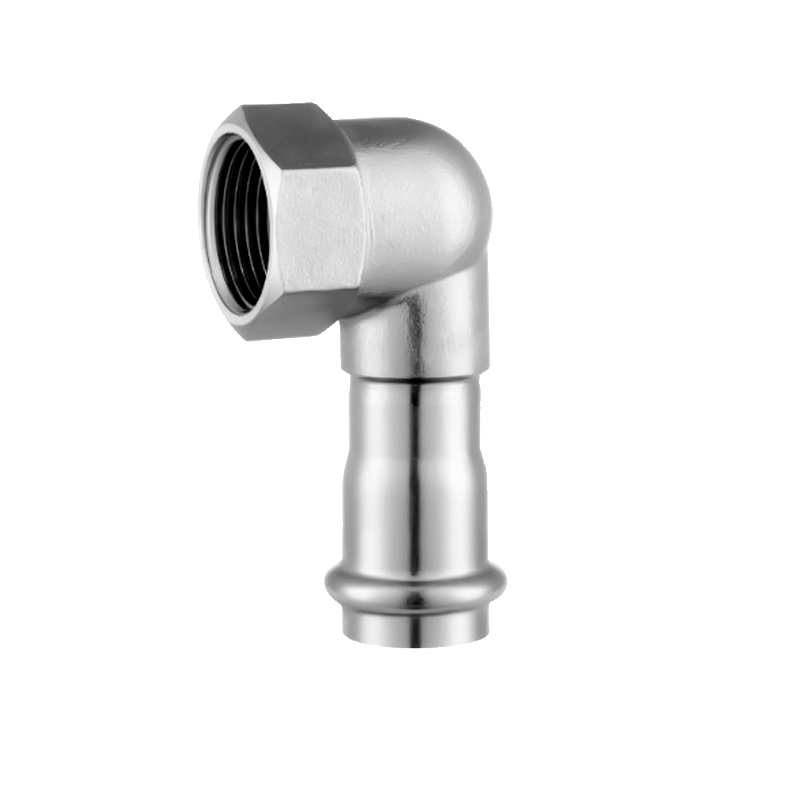
Innovative Designs: The Future of Stainless Steel Pipe Fittings
In the ever-evolving world of construction and decorative materials, stainless steel pipe fittings play a pivotal role in ensuring the integrity and efficiency of plumbing systems. As technology advances and design philosophies shift, the industry is witnessing a surge in innovative designs that not only enhance functionality but also commitment to aesthetics. This article aims to explore the future of stainless steel pipe fittings, focusing on emerging trends, design innovations, and sustainability practices that are shaping the industry.
Table of Contents
- Introduction to Stainless Steel Pipe Fittings
- The Importance of Innovative Designs in Plumbing
- Current Trends in Stainless Steel Pipe Fittings
- Innovative Design Features of Modern Pipe Fittings
- Sustainable Practices in the Design of Pipe Fittings
- Applications of Innovative Stainless Steel Pipe Fittings
- The Future of Stainless Steel Pipe Fitting Designs
- Conclusion
- Frequently Asked Questions
Introduction to Stainless Steel Pipe Fittings
Stainless steel pipe fittings are critical components in plumbing systems, providing connections and transitions between pipe sections. Their high resistance to corrosion and durability ensures longevity, making them a preferred choice across various industries. As construction demands evolve, innovative designs are emerging, enhancing the performance and efficiency of these fittings.
The Importance of Innovative Designs in Plumbing
In an industry driven by efficiency, safety, and aesthetic appeal, the importance of innovative designs in stainless steel pipe fittings cannot be overstated. Modern plumbing systems require solutions that not only facilitate smooth fluid flow but also integrate seamlessly into their surroundings. With innovative designs, manufacturers can offer:
- Enhanced Functionality: New designs can accommodate varying pressures and temperatures while maintaining structural integrity.
- Improved Aesthetics: A focus on sleek, modern designs can elevate the visual appeal of plumbing systems.
- Ease of Installation: Innovative fittings can simplify installation processes, reducing labor time and costs.
Current Trends in Stainless Steel Pipe Fittings
The market for stainless steel pipe fittings is experiencing several noteworthy trends due to advancements in materials science and manufacturing processes. Some of the most prominent trends include:
Smart Pipe Fittings
As the Internet of Things (IoT) continues to infiltrate various sectors, smart pipe fittings are emerging. These fittings are equipped with sensors that monitor flow rates, pressure levels, and potential leaks. With real-time data, maintenance teams can address issues before they escalate, significantly reducing downtime.
Modular Designs
Modularity is gaining traction in the design of pipe fittings. Modular fittings allow for easy customization and flexibility in assembly, enabling designers to create bespoke plumbing solutions that meet unique project requirements.
Advanced Coatings
The application of advanced coatings is another trend revolutionizing stainless steel pipe fittings. These coatings enhance corrosion resistance and reduce friction, improving overall efficiency and lifespan.
Innovative Design Features of Modern Pipe Fittings
Modern stainless steel pipe fittings are incorporating innovative design features that cater to the evolving demands of various industries. Some key features include:
Ergonomic Shapes
Ergonomically designed fittings facilitate easier handling and installation, allowing for quicker assembly while reducing the risk of injury to workers.
Integrated Sealing Systems
Fittings with integrated sealing systems provide superior leak prevention and ease of maintenance, eliminating the need for additional sealing materials that can complicate installations.
Lightweight Materials
Adopting lightweight materials in the design of stainless steel fittings enhances portability without compromising strength. This shift is particularly advantageous for large-scale projects where ease of transportation is crucial.
Sustainable Practices in the Design of Pipe Fittings
With increasing awareness of environmental issues, the plumbing industry is making strides toward more sustainable practices. Some notable initiatives include:
Recyclable Materials
The use of recyclable stainless steel in pipe fittings minimizes environmental impact. As a fully recyclable material, stainless steel helps reduce waste and promotes sustainability.
Energy-Efficient Manufacturing Processes
Manufacturers are focusing on energy-efficient processes that reduce their carbon footprint during the production of stainless steel pipe fittings. Innovations aimed at minimizing energy consumption during manufacturing are becoming standard practices.
Lifecycle Assessments
Conducting lifecycle assessments helps manufacturers understand the environmental impact of their products from production to disposal. This data encourages the design of fittings that are not only efficient but also sustainable.
Applications of Innovative Stainless Steel Pipe Fittings
The versatility of stainless steel pipe fittings allows for a wide range of applications across various sectors:
Residential Plumbing
In residential settings, innovative stainless steel fittings offer reliable solutions for water supply and drainage systems, ensuring longevity and safety.
Industrial Applications
Industries such as food processing, pharmaceuticals, and chemical manufacturing utilize stainless steel fittings due to their resistance to corrosion and ability to maintain hygienic conditions.
Aerospace and Automotive
In aerospace and automotive applications, the lightweight and durable characteristics of stainless steel fittings make them ideal for performance-critical environments.
The Future of Stainless Steel Pipe Fitting Designs
As we look to the future, several trends are likely to shape the evolution of stainless steel pipe fittings:
Increased Customization
With advancements in manufacturing technologies like 3D printing, customized fittings tailored to specific project needs are likely to become more commonplace.
Integration of Smart Technology
The integration of smart technology will likely continue to enhance the functionality of fittings, paving the way for more intelligent plumbing solutions that offer predictive maintenance and real-time monitoring.
Greater Emphasis on Sustainability
The push towards sustainability will drive innovations focused on reducing material waste and improving energy efficiency throughout the manufacturing process.
Conclusion
The future of stainless steel pipe fittings is poised for remarkable transformations marked by innovative designs and sustainable practices. As the industry embraces advanced technologies and prioritizes efficiency, professionals must stay informed about emerging trends that enhance functionality, durability, and aesthetic appeal. By understanding these innovations, stakeholders can make informed choices that lead to successful project outcomes while contributing to a more sustainable future.
Frequently Asked Questions
What are stainless steel pipe fittings used for?
Stainless steel pipe fittings are used to connect, control, and direct the flow of fluids in plumbing systems, offering excellent resistance to corrosion and durability.
How do innovative designs improve pipe fittings?
Innovative designs enhance pipe fittings by improving functionality, facilitating easier installation, and integrating smart technology for real-time monitoring.
What materials are commonly used in stainless steel pipe fittings?
Common materials include different grades of stainless steel, such as 304 and 316, known for their corrosion resistance and strength.
Are stainless steel fittings environmentally friendly?
Yes, stainless steel fittings are recyclable and can be produced using energy-efficient manufacturing processes, making them a more sustainable choice.
What future trends should we expect in the pipe fitting industry?
Expect increased customization, integration of smart technology, and a greater emphasis on sustainability as key trends shaping the future of the pipe fitting industry.
PREVIOUS:

Contact Us
E-mail :
lena@gysusstainless.com
WhatsApp:
13580506972
Address:
First Floor, No. 147, Pacific Industrial Zone, Xintang Town, Zengcheng District, Guangzhou City, Guangdong Province

Search for the product you want to know
Contact Us
First Floor, No. 147, Pacific Industrial Zone, Xintang Town, Zengcheng District, Guangzhou City, Guangdong Province
Focus on the research and development, customization, production, and sales of stainless steel water separators and stainless steel pipe fittings