To provide high-quality stainless steel water separators for global customers.
Exploring the Cost-Effectiveness of Stainless Steel Flanged Flow Splitters: A Comprehensive Guide
Oct 12,2026
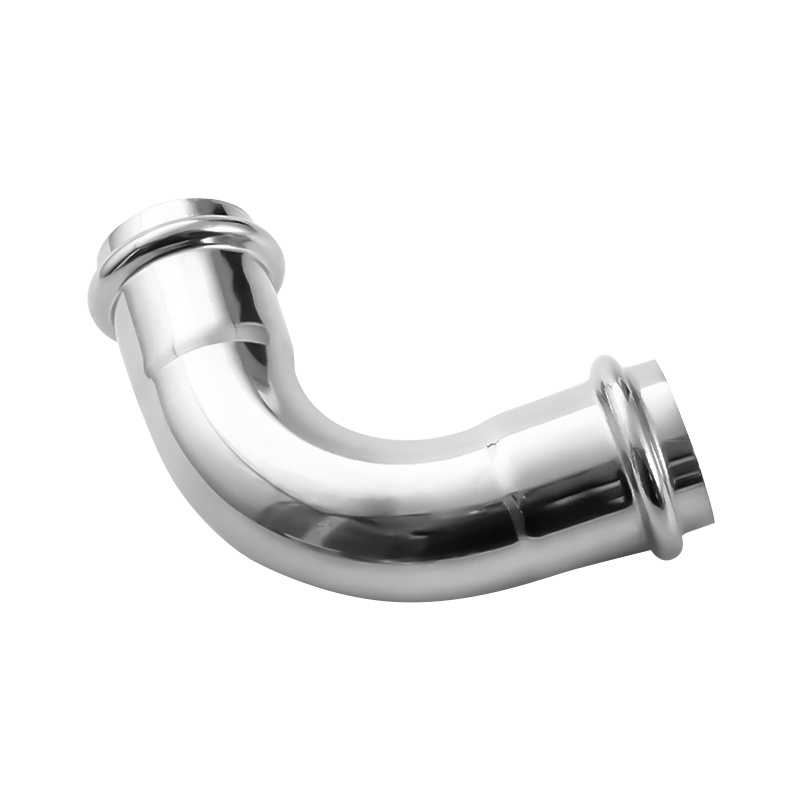
Exploring the Cost-Effectiveness of Stainless Steel Flanged Flow Splitters
Table of Contents
- Introduction to Stainless Steel Flanged Flow Splitters
- What Are Flow Splitters?
- Advantages of Stainless Steel in Flow Splitters
- Cost-Effectiveness Analysis of Stainless Steel Flanged Flow Splitters
- Installation and Maintenance of Flow Splitters
- Real-World Applications of Stainless Steel Flanged Flow Splitters
- Comparison with Other Materials
- Frequently Asked Questions
- Conclusion
Introduction to Stainless Steel Flanged Flow Splitters
In the realm of plumbing and HVAC systems, **stainless steel flanged flow splitters** play a pivotal role in ensuring efficient fluid distribution. They are designed to divide a single flow stream into multiple outlets, making them essential in various applications. This article aims to delve deep into the cost-effectiveness of these devices, highlighting their features, advantages, and practical implications.
What Are Flow Splitters?
Flow splitters are essential components in fluid management systems, designed to direct and regulate the flow of liquids or gases. Typically, they consist of a central inlet that distributes the flow to several outlets, thus optimizing the use of resources. In industrial and commercial settings, these devices are crucial for maintaining system efficiency and performance.
Types of Flow Splitters
There are several types of flow splitters available, including:
- **Single Chamber Splitters**: Ideal for simple applications, these splitters handle flow with minimal complexity.
- **Multi-Chamber Splitters**: These devices offer greater flexibility and can handle multiple flow rates simultaneously.
- **Flanged Flow Splitters**: Equipped with flanged connections for easy installation, they are commonly used in industrial setups.
Advantages of Stainless Steel in Flow Splitters
The choice of material significantly impacts the performance and longevity of flow splitters. Stainless steel is often the material of choice for several reasons:
Durability and Corrosion Resistance
Stainless steel inherently resists corrosion, making it suitable for environments where moisture and chemicals are prevalent. This durability extends the lifespan of flow splitters, reducing replacement costs over time.
Maintenance-Free Operation
Since stainless steel does not corrode, it requires significantly less maintenance compared to other materials. This results in lower operational costs and fewer interruptions in service.
Thermal Resistance
Stainless steel can withstand high temperatures, making it ideal for applications involving hot fluids. This thermal resistance ensures that the flow splitter maintains its integrity under varying conditions.
Cost-Effectiveness Analysis of Stainless Steel Flanged Flow Splitters
When evaluating the cost-effectiveness of stainless steel flanged flow splitters, several factors come into play. Initial costs may be higher than those of plastic or other metal alternatives, but the long-term benefits are substantial.
Initial Investment vs. Long-Term Savings
Investing in stainless steel flow splitters may require a higher initial expenditure, but their durability leads to reduced replacement and maintenance costs. Over time, this investment pays off, making them a cost-effective choice.
Operational Efficiency
The efficiency of a system directly impacts operational costs. Stainless steel flow splitters enhance the performance of HVAC and plumbing systems, leading to lower energy consumption and operational costs.
Environmental Considerations
Stainless steel is a recyclable material, emphasizing sustainability. Using stainless steel flow splitters contributes to eco-friendly practices, reducing waste and promoting responsible resource management.
Installation and Maintenance of Flow Splitters
Proper installation and maintenance are crucial for maximizing the benefits of stainless steel flanged flow splitters.
Installation Tips
- **Select the Right Size**: Ensure that the flow splitter is appropriately sized for your system to avoid inefficiencies.
- **Follow Manufacturer Guidelines**: Always adhere to installation instructions provided by manufacturers to ensure optimal performance.
- **Use Quality Sealing Materials**: Proper sealing prevents leaks and maintains system integrity.
Regular Maintenance Practices
- **Routine Inspections**: Regular checks can identify potential issues before they escalate.
- **Cleaning**: Though stainless steel is low maintenance, periodic cleaning can enhance performance.
Real-World Applications of Stainless Steel Flanged Flow Splitters
Stainless steel flanged flow splitters are used in various industries, including:
HVAC Systems
In HVAC applications, these flow splitters ensure balanced airflow, improving system efficiency and comfort.
Water Treatment Facilities
Flow splitters play a critical role in distributing water evenly in treatment plants, enhancing purification processes.
Industrial Processes
In manufacturing, flow splitters manage the flow of various liquids and gases, ensuring smooth operations.
Comparison with Other Materials
To understand the advantages of stainless steel flanged flow splitters, we must compare them with other materials commonly used in flow splitters.
Plastic Flow Splitters
While plastic flow splitters are lightweight and resistant to certain chemicals, they lack the durability and high-temperature resistance of stainless steel. This makes them less suitable for demanding applications.
Cast Iron Flow Splitters
Cast iron flow splitters are durable but prone to rust and corrosion, especially in wet environments. Stainless steel offers a superior alternative due to its corrosion resistance.
Frequently Asked Questions
1. What is the lifespan of stainless steel flanged flow splitters?
Stainless steel flow splitters can last decades when properly maintained, significantly outlasting those made from other materials.
2. Are stainless steel flow splitters suitable for high-pressure applications?
Yes, stainless steel flow splitters are designed to withstand high pressures, making them ideal for various industrial applications.
3. How do I determine the right size flow splitter for my system?
Consult with a professional or refer to the manufacturer’s guidelines to select a flow splitter that matches your system's flow requirements.
4. Can stainless steel flow splitters be recycled?
Absolutely. Stainless steel is fully recyclable, making it an environmentally friendly choice.
5. What maintenance is required for stainless steel flow splitters?
Routine inspections and occasional cleaning are sufficient to maintain stainless steel flow splitters in optimal condition.
Conclusion
In conclusion, **stainless steel flanged flow splitters** represent a superior choice in fluid management systems due to their durability, efficiency, and cost-effectiveness. While they may require a higher initial investment compared to alternatives, the long-term benefits in terms of maintenance, longevity, and operational efficiency far outweigh these costs. By understanding the advantages and applications of these devices, businesses and industries can make informed decisions that enhance their fluid management strategies, ultimately leading to improved performance and reduced operational costs. Embracing stainless steel flow splitters is not just a choice for today; it’s a smart investment for the future.

Contact Us
E-mail :
lena@gysusstainless.com
WhatsApp:
13580506972
Address:
First Floor, No. 147, Pacific Industrial Zone, Xintang Town, Zengcheng District, Guangzhou City, Guangdong Province

Search for the product you want to know
Contact Us
First Floor, No. 147, Pacific Industrial Zone, Xintang Town, Zengcheng District, Guangzhou City, Guangdong Province
Focus on the research and development, customization, production, and sales of stainless steel water separators and stainless steel pipe fittings