To provide high-quality stainless steel water separators for global customers.
How Stainless Steel Flanged Flow Splitters Enhance Hydraulic System Efficiency
Mar 23,2026
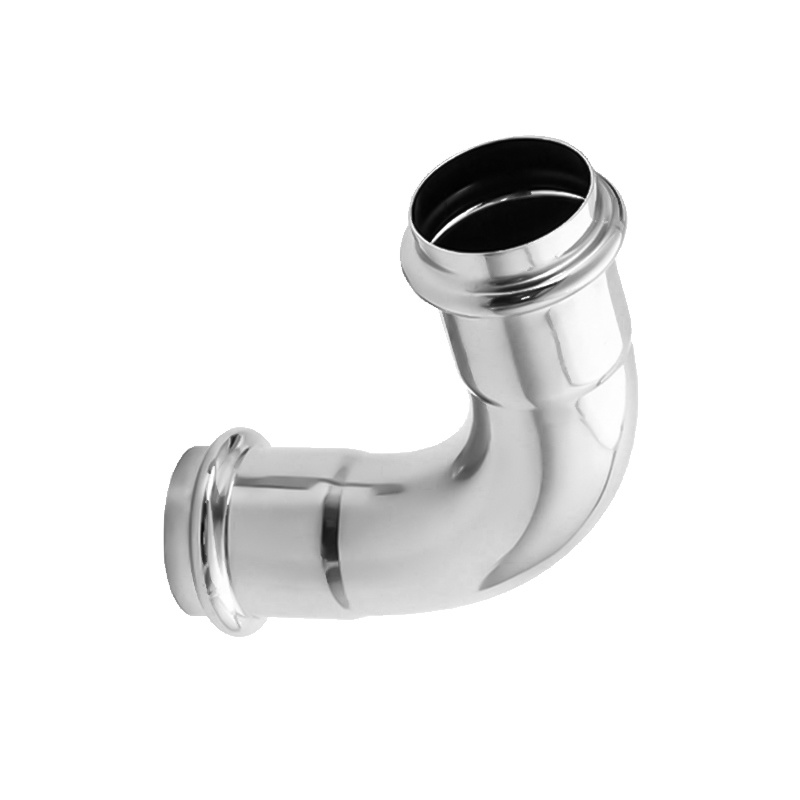
How Stainless Steel Flanged Flow Splitters Enhance Hydraulic System Efficiency
Table of Contents
- Introduction to Stainless Steel Flanged Flow Splitters
- Understanding Hydraulic Performance
- What is a Flow Splitter?
- Benefits of Stainless Steel Flow Splitters
- Applications of Stainless Steel Flanged Flow Splitters
- Installation and Maintenance of Flow Splitters
- Case Studies: Real-World Applications
- Frequently Asked Questions
- Conclusion
Introduction to Stainless Steel Flanged Flow Splitters
In the world of hydraulic systems, the efficiency of fluid distribution plays a crucial role. **Stainless steel flanged flow splitters** have emerged as vital components in optimizing hydraulic performance. Designed to evenly divide fluid flow into multiple paths, these devices are essential for ensuring that hydraulic systems operate smoothly and efficiently. This article explores the various aspects of stainless steel flanged flow splitters and how they can significantly improve hydraulic systems.
Understanding Hydraulic Performance
Hydraulic performance refers to how effectively a hydraulic system can transmit power through fluid movement. Key factors influencing hydraulic performance include fluid viscosity, flow rate, pressure, and the design of system components. Effective fluid distribution is crucial; it affects the responsiveness, power output, and reliability of the hydraulic system.
Stainless steel flanged flow splitters contribute positively to hydraulic performance by ensuring that fluid is distributed evenly across multiple outlets. This balanced distribution minimizes pressure drops, enhances responsiveness, and improves the overall efficiency of hydraulic systems.
What is a Flow Splitter?
A flow splitter is a device that divides a single flow of fluid into multiple paths. In hydraulic systems, flow splitters are used to ensure that each branch of a hydraulic circuit receives the appropriate amount of fluid. **Stainless steel flanged flow splitters** are specifically designed to withstand high pressures and corrosive environments, making them ideal for various applications.
These devices feature flanged connections that allow for easy installation and secure sealing, ensuring that leaks are minimized. This design is particularly beneficial in environments where durability and reliability are paramount.
Benefits of Stainless Steel Flow Splitters
Stainless steel flanged flow splitters offer numerous advantages that contribute to improved hydraulic performance. Here, we explore the most significant benefits.
Durability and Corrosion Resistance
One of the most notable benefits of stainless steel flow splitters is their exceptional durability. Stainless steel is inherently resistant to corrosion, which is critical in hydraulic applications where fluid exposure can lead to degradation of materials. This durability ensures a longer lifespan for the flow splitter and reduces the need for frequent replacements.
In addition to corrosion resistance, stainless steel can withstand high temperatures and pressures, making it suitable for a wide range of hydraulic applications, from industrial machinery to automotive systems.
Improved Fluid Distribution
Stainless steel flanged flow splitters are designed to provide uniform fluid distribution across multiple outlets. This balanced flow is vital for maintaining pressure consistency within the hydraulic system. By ensuring that each branch of the hydraulic circuit receives an appropriate amount of fluid, these splitters minimize the risk of overloading any single outlet, which can lead to mechanical failure.
Improved fluid distribution also enhances system responsiveness. When fluid is evenly distributed, hydraulic actuators and other components can react more quickly to control signals, resulting in better overall performance.
Efficiency in Hydraulic Systems
The efficiency of a hydraulic system is a critical factor in its overall performance. Stainless steel flanged flow splitters enhance efficiency by reducing pressure drops and energy losses during fluid distribution. When fluid flows through a well-designed splitter, it experiences less turbulence and less friction, leading to a smoother flow.
This increased efficiency translates to lower energy consumption and reduced operational costs for businesses. Moreover, a more efficient hydraulic system can enhance productivity, as equipment operates with greater precision and reliability.
Applications of Stainless Steel Flanged Flow Splitters
Stainless steel flanged flow splitters are used in a wide variety of applications across many industries. Some of the most common applications include:
Industrial Machinery
In industrial settings, hydraulic systems power machinery such as presses, conveyors, and robotics. Flow splitters help ensure that these systems operate smoothly by distributing hydraulic fluid evenly across multiple functions or areas of the machinery.
Automotive Systems
In automotive applications, hydraulic systems are used in braking systems, power steering, and suspension. Stainless steel flanged flow splitters are essential for ensuring that hydraulic pressure is maintained across each function, contributing to the safety and reliability of the vehicle.
Marine Applications
Marine environments are particularly harsh, with high levels of moisture and potential exposure to saltwater. Stainless steel flow splitters are ideal for marine applications, such as hydraulic steering systems and winches, due to their corrosion resistance and durability.
Aerospace
In the aerospace industry, hydraulic systems control various functions, including landing gear and flight control surfaces. The lightweight yet durable nature of stainless steel flanged flow splitters makes them suitable for critical aerospace applications where reliability is paramount.
Installation and Maintenance of Flow Splitters
Proper installation and maintenance of stainless steel flanged flow splitters are crucial for ensuring optimal performance. Here are some key considerations for installation and maintenance:
Installation Guidelines
1. **Assess the System Requirements**: Before installation, assess the hydraulic system's requirements, including pressure ratings, flow rates, and fluid compatibility.
2. **Follow Manufacturer Instructions**: Adhere to manufacturer guidelines for installation, ensuring that flanges are properly aligned and secured to prevent leaks.
3. **Use Appropriate Sealing Materials**: Utilize compatible sealing materials to ensure a leak-free connection between the flow splitter and the hydraulic system.
Maintenance Tips
1. **Regular Inspections**: Periodically inspect the flow splitter for signs of wear, corrosion, or leaks. Early detection can prevent larger issues down the line.
2. **Fluid Quality Checks**: Ensure that the hydraulic fluid used is clean and free of contaminants, as dirty fluid can cause damage to the flow splitter and other hydraulic components.
3. **Replace Worn Components**: If any parts of the flow splitter show signs of wear, replace them immediately to maintain system efficiency.
Case Studies: Real-World Applications
To illustrate the benefits of stainless steel flanged flow splitters, we present two real-world case studies showcasing their impact on hydraulic performance.
Case Study 1: Automated Assembly Line
In an automated assembly line, a major manufacturer faced challenges with fluid distribution across multiple robotic arms. By incorporating stainless steel flanged flow splitters, they achieved a significant improvement in fluid distribution, resulting in enhanced responsiveness and reduced cycle times.
Case Study 2: Offshore Oil Rig
An offshore oil rig utilized stainless steel flow splitters to manage hydraulic functions in harsh marine conditions. The durability and corrosion resistance of the splitters led to a marked reduction in maintenance costs and downtime due to mechanical failures.
Frequently Asked Questions
1. What materials are used in stainless steel flanged flow splitters?
Stainless steel flanged flow splitters are primarily made from various grades of stainless steel, which provide corrosion resistance and durability.
2. How do I determine the right flow splitter for my application?
Consider factors such as flow rate, pressure rating, and compatibility with the hydraulic fluid used in your system.
3. Are stainless steel flow splitters easy to install?
Yes, they are designed for easy installation, particularly when using flanged connections, which ensure a secure and leak-free seal.
4. What maintenance is required for stainless steel flow splitters?
Regular inspections and fluid quality checks are essential for maintaining performance. Replace any worn components promptly.
5. Can stainless steel flow splitters be used in corrosive environments?
Absolutely! The corrosion resistance of stainless steel makes these flow splitters ideal for use in harsh environments, including marine and industrial applications.
Conclusion
Stainless steel flanged flow splitters are indispensable components in hydraulic systems, providing numerous benefits that enhance performance and efficiency. Their durability, corrosion resistance, and ability to improve fluid distribution make them a top choice for various applications across multiple industries. By understanding the significance of these devices and implementing best practices for installation and maintenance, businesses can unlock the full potential of their hydraulic systems. Investing in high-quality stainless steel flanged flow splitters will not only enhance operational efficiency but also contribute to long-term cost savings and reliability.

Contact Us
E-mail :
lena@gysusstainless.com
WhatsApp:
13580506972
Address:
First Floor, No. 147, Pacific Industrial Zone, Xintang Town, Zengcheng District, Guangzhou City, Guangdong Province

Search for the product you want to know
Contact Us
First Floor, No. 147, Pacific Industrial Zone, Xintang Town, Zengcheng District, Guangzhou City, Guangdong Province
Focus on the research and development, customization, production, and sales of stainless steel water separators and stainless steel pipe fittings