To provide high-quality stainless steel water separators for global customers.
Step-by-Step Installation of Stainless Steel Pipe Fittings for Beginners
Jun 09,2026
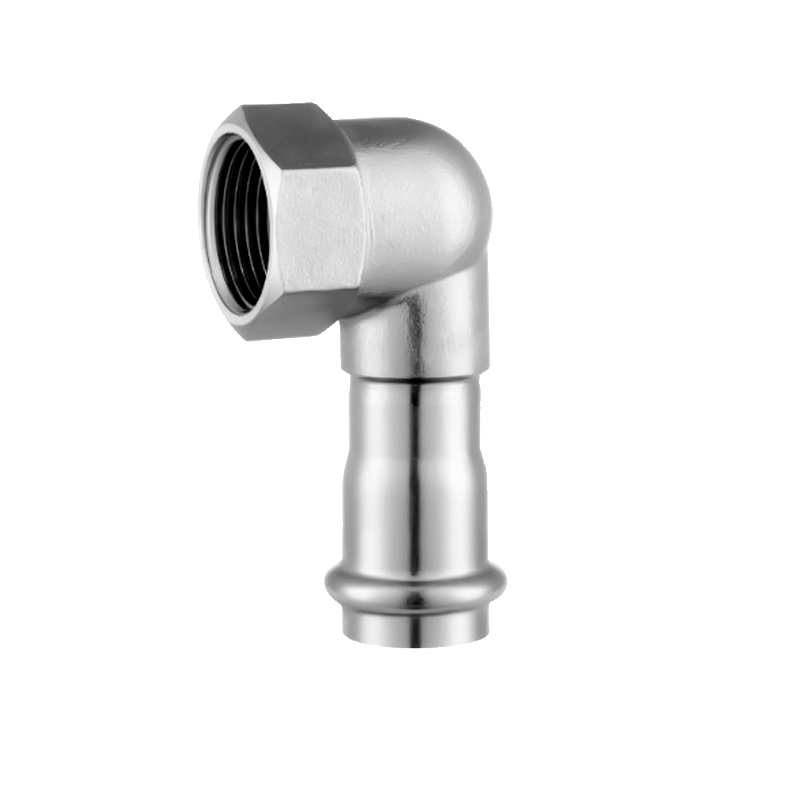
Step-by-Step Installation of Stainless Steel Pipe Fittings for Beginners
Table of Contents
- 1. Introduction to Stainless Steel Pipe Fittings
- 2. Why Choose Stainless Steel Pipe Fittings?
- 3. Understanding Types of Stainless Steel Pipe Fittings
- 4. Essential Tools and Materials for Installation
- 5. Step-by-Step Installation Guide
- 5.1 Pre-Installation Checks
- 5.2 Measuring and Cutting Pipe
- 5.3 Cleaning and Prepping the Fittings
- 5.4 Connecting the Fittings
- 5.5 Sealing and Tightening
- 5.6 Post-Installation Checks
- 6. Common Mistakes to Avoid
- 7. Maintenance Tips for Stainless Steel Fittings
- 8. Frequently Asked Questions
- 9. Conclusion
1. Introduction to Stainless Steel Pipe Fittings
Stainless steel pipe fittings are crucial components in plumbing and piping systems. They connect various sections of pipes and ensure the smooth flow of liquids and gases. Their durability and resistance to corrosion make them ideal for both residential and industrial applications. In this guide, we will take you through the entire installation process, making it accessible for beginners.
2. Why Choose Stainless Steel Pipe Fittings?
Choosing stainless steel pipe fittings offers numerous advantages:
- **Corrosion Resistance**: Stainless steel can withstand harsh environments without rusting or degrading.
- **Longevity**: These fittings have a longer lifespan compared to other materials, reducing replacement costs.
- **Aesthetic Appeal**: Stainless steel fittings provide a modern and sleek look, making them ideal for visible installations.
3. Understanding Types of Stainless Steel Pipe Fittings
Before diving into the installation process, it’s essential to understand the different types of stainless steel fittings:
- **Elbows**: Used to change the direction of flow.
- **Tees**: Allow for branching in the piping system.
- **Couplings**: Connect two pipes of the same diameter.
- **Flanges**: Used for connecting pipes, valves, or other equipment.
Each type serves a specific purpose, and knowing them will facilitate effective installations.
4. Essential Tools and Materials for Installation
Before starting, gather the following tools and materials:
- **Tools**:
- Adjustable wrench
- Pipe cutter
- Deburring tool
- Measuring tape
- Pipe wrench
- Torque wrench
- **Materials**:
- Stainless steel pipe fittings
- Thread sealant or Teflon tape
- Pipe insulation (optional)
Having the right tools and materials will streamline the installation process and enhance the quality of your work.
5. Step-by-Step Installation Guide
Now, let's break down the installation process into manageable steps.
5.1 Pre-Installation Checks
Before beginning, perform the following checks:
- Ensure that all tools and materials are readily available.
- Inspect the fittings for any damage or defects.
- Review the installation area for cleanliness and accessibility.
Proper preparation will prevent complications during installation.
5.2 Measuring and Cutting Pipe
Accurate measurements are vital for effective installations:
1. **Measure the Length**: Use a measuring tape to determine the length of the pipe required.
2. **Mark the Pipe**: Clearly mark the cutting points on the pipe.
3. **Cut the Pipe**: Use a pipe cutter for a clean, precise cut. Avoid using hacksaws, as they can cause burrs.
After cutting, ensure that the edges are smooth. Use a deburring tool to remove any sharp edges.
5.3 Cleaning and Prepping the Fittings
Prepare the fittings for a secure connection:
- Clean the interior and exterior of the fittings with a cloth to remove any debris or grease.
- Ensure that the threads on both the pipe and the fitting are free from dirt or old sealant.
Proper cleaning is crucial for a leak-free seal.
5.4 Connecting the Fittings
To connect the fittings:
1. Align the pipe ends with the fitting openings.
2. Hand-tighten the fittings to ensure they are seated properly.
3. Use a pipe wrench to tighten the fittings securely. Avoid over-tightening, which can cause damage.
A well-connected fitting prevents leaks and enhances system integrity.
5.5 Sealing and Tightening
To ensure a watertight seal:
- Apply thread sealant or wrap Teflon tape around the threads before tightening.
- Tighten the fittings using an adjustable wrench, turning them clockwise until snug. Use a torque wrench for precision if required.
Sealing is essential to prevent leaks in your plumbing system.
5.6 Post-Installation Checks
Once the installation is complete:
1. Inspect all connections for tightness.
2. Turn on the water supply slowly and monitor for leaks.
3. If leaks are detected, tighten the fittings further as necessary.
Performing these checks ensures that your installation is secure and functional.
6. Common Mistakes to Avoid
To ensure a successful installation, avoid these common pitfalls:
- **Neglecting to Measure**: Always double-check your measurements before cutting.
- **Skipping Cleaning**: Failing to clean the fittings can lead to leaks.
- **Over-tightening**: This can damage the fittings and cause leaks.
By being aware of these common mistakes, you can achieve a successful installation.
7. Maintenance Tips for Stainless Steel Fittings
To prolong the lifespan of your stainless steel fittings:
- Regularly inspect for signs of corrosion or wear.
- Clean the fittings periodically to prevent buildup.
- Ensure that all connections remain tight.
Proper maintenance will keep your plumbing system operating efficiently.
8. Frequently Asked Questions
1. Can stainless steel pipe fittings be used for outdoor installations?
Yes, stainless steel fittings are suitable for outdoor use because of their corrosion resistance.
2. How do I know what size fittings to buy?
Measure the diameter of your pipes and match them to the corresponding fittings.
3. Is it necessary to use thread sealant with stainless steel fittings?
While not always necessary, using thread sealant is recommended to ensure a leak-free connection.
4. Can I install stainless steel pipe fittings without professional help?
Yes, this guide is designed for beginners, and with the right tools and patience, you can successfully complete the installation.
5. What should I do if I detect a leak after installation?
Turn off the water supply, tighten the connections, and inspect for any damages or cracks in the fittings that may require replacement.
9. Conclusion
Installing stainless steel pipe fittings may seem daunting for beginners, but following this comprehensive guide will empower you to tackle the task with confidence. By understanding the types of fittings, gathering the right tools, and adhering to our step-by-step instructions, you can achieve a successful installation. Remember to perform regular maintenance checks to ensure the longevity of your plumbing system. With practice and attention to detail, you will become proficient in installing stainless steel pipe fittings, enhancing your DIY skills for future projects.

Contact Us
E-mail :
lena@gysusstainless.com
WhatsApp:
13580506972
Address:
First Floor, No. 147, Pacific Industrial Zone, Xintang Town, Zengcheng District, Guangzhou City, Guangdong Province

Search for the product you want to know
Contact Us
First Floor, No. 147, Pacific Industrial Zone, Xintang Town, Zengcheng District, Guangzhou City, Guangdong Province
Focus on the research and development, customization, production, and sales of stainless steel water separators and stainless steel pipe fittings