To provide high-quality stainless steel water separators for global customers.
Stainless Steel Flanged Flow Splitters: Essential Components for Efficient Systems
Sep 06,2026
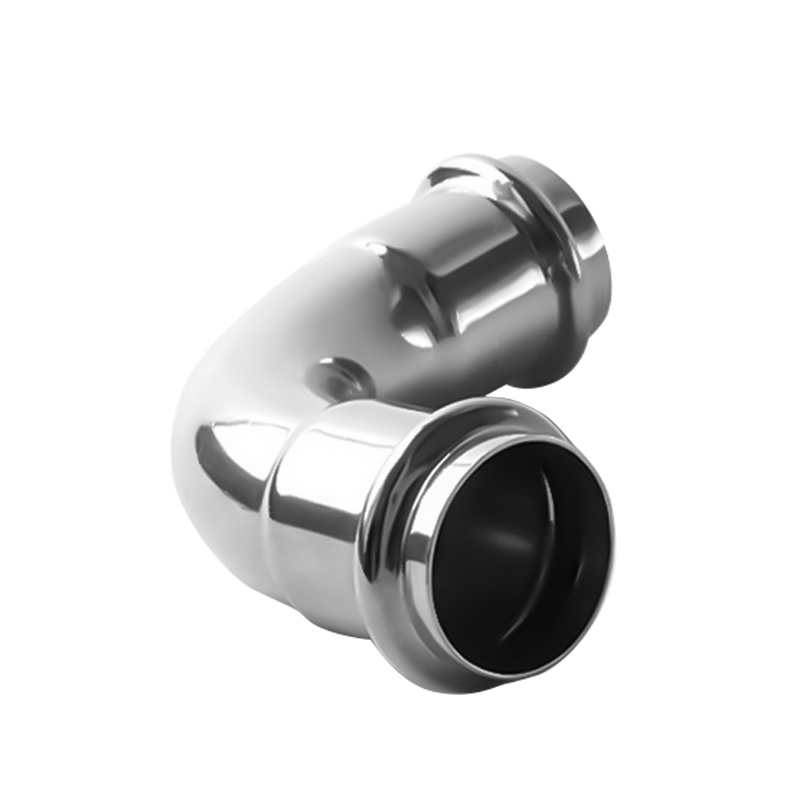
Stainless Steel Flanged Flow Splitters: Essential Components for Efficient Systems
Table of Contents
1. Introduction to Stainless Steel Flanged Flow Splitters
2. Understanding Flow Splitters and Their Functionality
3. Advantages of Using Stainless Steel in Flow Splitters
4. Key Applications of Flanged Flow Splitters
4.1 Plumbing Systems
4.2 HVAC Systems
4.3 Industrial Applications
5. How to Choose the Right Stainless Steel Flanged Flow Splitter
6. Installation Guidelines for Optimal Performance
7. Maintenance Tips for Longevity
8. Frequently Asked Questions (FAQs)
9. Conclusion
1. Introduction to Stainless Steel Flanged Flow Splitters
Stainless steel flanged flow splitters serve as essential components in various fluid systems, directing and managing the flow of liquids with precision. By efficiently splitting flow, these devices contribute to the overall operational efficiency of plumbing, heating, and cooling systems. Their design and material properties make them invaluable in both residential and commercial applications.
2. Understanding Flow Splitters and Their Functionality
Flow splitters, in essence, are devices designed to divide a single stream of fluid into multiple paths. Their functionality relies on specific hydraulic principles that ensure balanced distribution. By achieving uniform flow rates across different outlets, these components minimize turbulence and pressure drops, enhancing system performance.
The critical features of flow splitters include flanged connections, which facilitate easy installation and maintenance. In stainless steel variants, these splitters offer enhanced durability and resistance to corrosion, making them suitable for various challenging environments.
3. Advantages of Using Stainless Steel in Flow Splitters
Stainless steel is a favored material for flow splitters due to its numerous advantages:
1. **Corrosion Resistance**: Stainless steel is highly resistant to rust and corrosion, which is crucial in plumbing applications where moisture is prevalent.
2. **Strength and Durability**: The inherent strength of stainless steel allows flow splitters to withstand high pressures and temperatures, ensuring long-lasting performance.
3. **Ease of Maintenance**: The smooth surfaces of stainless steel splitters prevent buildup, making them easier to clean and maintain.
4. **Versatility**: These splitters can work effectively with various fluids, including water, oil, and chemicals, making them versatile for different industrial applications.
4. Key Applications of Flanged Flow Splitters
Flanged flow splitters find a wide range of applications across multiple sectors. Their ability to manage fluid flow efficiently makes them indispensable in several scenarios.
4.1 Plumbing Systems
In plumbing systems, stainless steel flanged flow splitters assist in distributing water evenly across fixtures and appliances. By ensuring balanced pressure, they help maintain optimal performance and reduce energy consumption.
4.2 HVAC Systems
In heating, ventilation, and air conditioning systems, flow splitters play a critical role in managing airflow and ensuring temperature control. These devices help distribute air evenly throughout ducts, leading to improved energy efficiency and comfort.
4.3 Industrial Applications
Many industries rely on stainless steel flanged flow splitters for their robust performance in handling various fluids. Chemical processing plants, food and beverage production, and water treatment facilities all utilize these components to maintain operational efficiency.
5. How to Choose the Right Stainless Steel Flanged Flow Splitter
Selecting the appropriate flow splitter for your specific application involves several considerations:
1. **Flow Rate Requirements**: Determine the required flow rate and pressure specifications for your system to ensure optimal performance.
2. **Material Compatibility**: Ensure that the stainless steel grade used in the splitter is compatible with the fluids it will come into contact with.
3. **Size and Configuration**: Assess the physical dimensions and flanged configurations required for your system to ensure a proper fit.
4. **Manufacturer Reputation**: Opt for reputable manufacturers known for quality and reliability, as this will impact your system’s overall performance.
6. Installation Guidelines for Optimal Performance
Proper installation of stainless steel flanged flow splitters is crucial for their functionality. Here are some guidelines to follow:
1. **Preparation**: Ensure that all surfaces are clean and free of debris before installation.
2. **Alignment**: Correctly align the flanges to avoid any stress or misalignment that could lead to leaks.
3. **Tightening Bolts**: Use a torque wrench to tighten the bolts to the manufacturer's specifications, ensuring a secure seal.
4. **Testing**: After installation, conduct pressure testing to confirm that there are no leaks and that the splitter functions as intended.
7. Maintenance Tips for Longevity
To maximize the lifespan and efficiency of stainless steel flanged flow splitters, regular maintenance is essential. Here are some tips:
1. **Regular Inspections**: Periodically check for signs of wear, corrosion, or leaks.
2. **Cleaning**: Clean the surfaces of flow splitters to remove any buildup or sediment that may affect performance.
3. **Monitoring Performance**: Keep an eye on system performance metrics to identify any irregularities that may indicate a problem with the flow splitter.
4. **Professional Servicing**: Consider having a qualified technician perform regular maintenance checks to ensure all components operate efficiently.
8. Frequently Asked Questions (FAQs)
What is the primary function of a flanged flow splitter?
The primary function of a flanged flow splitter is to divide a single fluid flow into multiple outlets, ensuring balanced distribution and efficient performance in various systems.
Why choose stainless steel over other materials?
Stainless steel offers superior corrosion resistance, strength, and durability, making it an ideal choice for applications involving fluids, particularly in harsh environments.
How do I determine the correct flow rate for my system?
You can determine the correct flow rate by assessing the requirements of your system, including all fixtures and appliances connected to the flow splitter.
Can I install a flanged flow splitter myself?
While it is possible to install a flanged flow splitter yourself, professional installation may ensure that it is done correctly, minimizing the risk of leaks or misalignment.
What maintenance does a stainless steel flanged flow splitter require?
Regular inspections, cleaning, and monitoring of performance metrics are essential for maintaining the efficiency and longevity of a stainless steel flanged flow splitter.
9. Conclusion
Stainless steel flanged flow splitters are essential components that enhance the efficiency and reliability of various plumbing, HVAC, and industrial systems. By understanding their functionality, advantages, and applications, you can make informed decisions about their use in your projects. Proper installation and maintenance will further ensure that these devices perform optimally, contributing significantly to the overall efficiency of your fluid systems. Investing in high-quality stainless steel flanged flow splitters is a step toward achieving effective fluid management in your operations.
PREVIOUS:

Contact Us
E-mail :
lena@gysusstainless.com
WhatsApp:
13580506972
Address:
First Floor, No. 147, Pacific Industrial Zone, Xintang Town, Zengcheng District, Guangzhou City, Guangdong Province

Search for the product you want to know
Contact Us
First Floor, No. 147, Pacific Industrial Zone, Xintang Town, Zengcheng District, Guangzhou City, Guangdong Province
Focus on the research and development, customization, production, and sales of stainless steel water separators and stainless steel pipe fittings