To provide high-quality stainless steel water separators for global customers.
Comparing Stainless Steel with Other Materials for Pipe Fittings: A Comprehensive Guide
Jul 09,2026
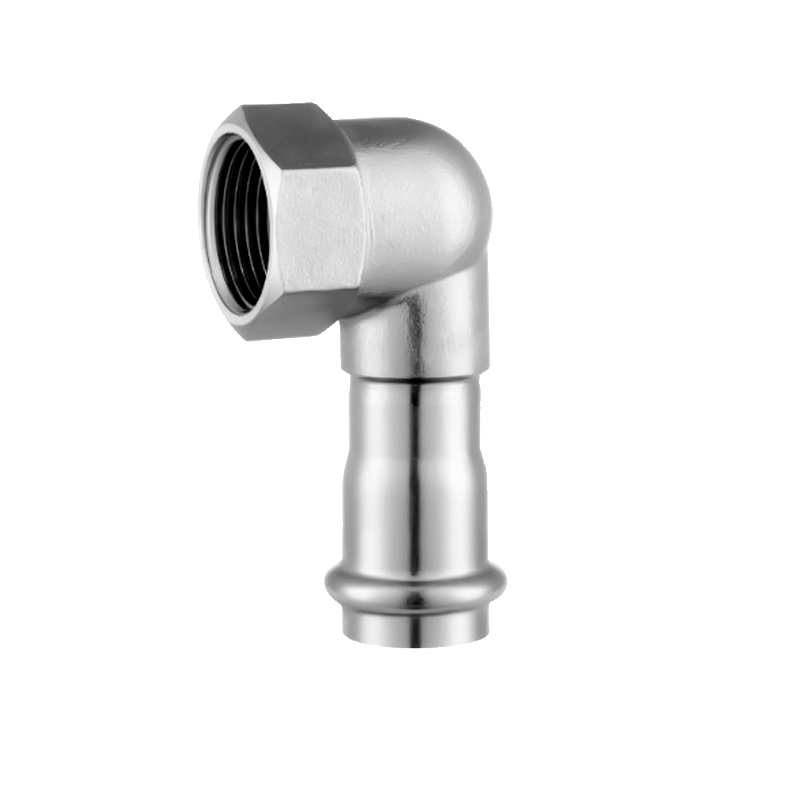
Comparing Stainless Steel with Other Materials for Pipe Fittings
Pipe fittings are essential components in plumbing systems, and the choice of material can significantly impact performance, durability, and cost. In this article, we will explore the various materials commonly used for pipe fittings, with a particular focus on stainless steel. By providing an in-depth comparison, we aim to equip you with the knowledge to make the best choice for your plumbing needs.
Understanding Pipe Fittings: An Overview
Pipe fittings are used to connect, terminate, or change the direction of pipes in a plumbing system. They come in various shapes and sizes, depending on the application. Understanding the materials used in manufacturing these fittings is crucial to ensure optimal performance and longevity.
The Importance of Material Selection for Pipe Fittings
Selecting the right material for pipe fittings is vital for several reasons:
- **Durability**: Some materials can withstand harsh conditions better than others.
- **Corrosion Resistance**: Certain materials are more prone to corrosion, which can lead to leaks and system failures.
- **Cost-Effectiveness**: The initial cost of materials can vary significantly, influencing project budgets.
- **Maintenance Requirements**: Some materials require more frequent maintenance than others, affecting long-term costs.
Stainless Steel: A Preferred Choice for Pipe Fittings
Stainless steel is a popular choice for pipe fittings due to its unique properties. Let’s explore the reasons why stainless steel stands out among other materials.
1. Corrosion Resistance
Stainless steel is known for its exceptional resistance to corrosion. This property makes it ideal for environments where moisture or chemicals are present. The presence of chromium in stainless steel forms a passive layer that protects the surface from rust and degradation.
2. Strength and Durability
With a high tensile strength, stainless steel fittings can withstand significant pressure and are less likely to fail under stress. This durability contributes to the longevity of plumbing systems, making it a reliable choice for both residential and commercial applications.
3. Aesthetic Appeal
The sleek, polished finish of stainless steel adds an aesthetic value to plumbing installations. This is particularly important in visible areas where aesthetics are a consideration.
4. Hygiene and Safety
Stainless steel is non-porous, making it easy to clean and resistant to bacteria growth. This characteristic is paramount in applications involving potable water and food processing.
5. Cost-Effectiveness Over Time
While the initial cost of stainless steel fittings may be higher than other materials, their durability and low maintenance requirements often result in lower total lifecycle costs.
Comparing Stainless Steel with Other Common Materials
Now, let's compare stainless steel with other commonly used materials for pipe fittings: copper, PVC, and carbon steel.
1. Copper
Copper has been a longstanding choice for plumbing due to its excellent thermal conductivity and corrosion resistance. However, it can be more expensive than stainless steel and is susceptible to corrosion in certain environments, especially when exposed to acidic water.
2. PVC (Polyvinyl Chloride)
PVC is a cost-effective alternative to metal fittings. It is lightweight, resistant to corrosion, and easy to install. However, it is less durable than stainless steel and has limitations in high-temperature applications.
3. Carbon Steel
Carbon steel is strong and durable, making it suitable for high-pressure applications. However, it is prone to rust and requires protective coatings to prevent corrosion. This makes stainless steel a more appealing option for long-term use.
Factors Influencing Material Choice for Pipe Fittings
When deciding on the material for pipe fittings, consider the following factors:
1. Application
Different applications may necessitate specific material properties. For example, a plumbing system in a chemical plant may require corrosion-resistant materials like stainless steel.
2. Local Building Codes
Always check local building codes and regulations, as they may dictate acceptable materials for specific applications.
3. Climate and Environment
The environment in which the fittings will be used can significantly influence your choice. For example, coastal areas with high salinity require materials that resist corrosion.
4. Budget Constraints
While initial costs are essential, consider the total cost of ownership, which consists of installation, maintenance, and potential replacements over time.
Maintenance of Stainless Steel Pipe Fittings
Stainless steel pipe fittings require minimal maintenance, but certain practices can help ensure their longevity:
1. Regular Inspections
Conduct periodic inspections to check for any signs of wear or damage. Early detection can prevent costly repairs.
2. Cleaning
Clean stainless steel fittings with mild detergents and warm water. Avoid abrasive cleaners that can scratch the surface, leading to corrosion.
3. Monitoring for Leaks
Regularly monitor fittings for any signs of leaks. Addressing small leaks immediately can prevent significant damage and costly repairs.
Cost Analysis: Is Stainless Steel Worth the Investment?
When evaluating the cost of stainless steel pipe fittings, consider both the initial purchase price and the long-term savings associated with durability and low maintenance. While the upfront cost may be higher than alternatives, the lifespan and performance of stainless steel often provide better value over time.
Cost Comparison Table
| Material | Initial Cost | Lifespan | Maintenance Costs | Total Cost of Ownership |
|-----------------|--------------|----------|-------------------|-------------------------|
| Stainless Steel | High | 50+ years| Low | Moderate |
| Copper | Moderate | 20 years | Moderate | High |
| PVC | Low | 10-15 years| Low | High |
| Carbon Steel | Moderate | 20 years | High | Moderate |
FAQs: Common Questions About Pipe Fitting Materials
1. Why is stainless steel more expensive than PVC?
Stainless steel offers superior durability, corrosion resistance, and longevity. While the initial cost is higher, it often results in lower maintenance and replacement costs over time.
2. Can stainless steel be used for high-temperature applications?
Yes, stainless steel is suitable for high-temperature applications. However, ensure that you choose the correct grade of stainless steel for extreme temperatures.
3. Are there any health risks associated with using PVC pipe fittings?
PVC is generally safe for plumbing, but concerns arise with leaching chemicals, especially in hot water applications. Stainless steel is recommended for potable water systems due to its non-reactive properties.
4. How can I determine the best material for my specific plumbing project?
Consider the application's requirements, local building codes, environmental factors, and your budget. Consulting with a plumbing professional can also provide valuable guidance.
5. What are the most common grades of stainless steel used for pipe fittings?
The most common grades are 304 and 316. Grade 316 offers enhanced corrosion resistance, making it suitable for harsher environments.
Conclusion
Choosing the appropriate material for pipe fittings is critical for ensuring long-lasting and efficient plumbing systems. Stainless steel emerges as a superior option due to its corrosion resistance, strength, aesthetic appeal, and long-term cost-effectiveness. While alternatives like copper, PVC, and carbon steel have their own advantages and applications, the unique properties of stainless steel often make it the preferred choice for a wide range of plumbing and construction projects. By considering the factors discussed, including application requirements, environmental conditions, and budget, you can make an informed decision that best suits your needs.
PREVIOUS:

Contact Us
E-mail :
lena@gysusstainless.com
WhatsApp:
13580506972
Address:
First Floor, No. 147, Pacific Industrial Zone, Xintang Town, Zengcheng District, Guangzhou City, Guangdong Province

Search for the product you want to know
Contact Us
First Floor, No. 147, Pacific Industrial Zone, Xintang Town, Zengcheng District, Guangzhou City, Guangdong Province
Focus on the research and development, customization, production, and sales of stainless steel water separators and stainless steel pipe fittings