To provide high-quality stainless steel water separators for global customers.
Essential Maintenance Tips for Ensuring the Longevity of Your Stainless Steel Flanged Flow Splitters
Jul 25,2026
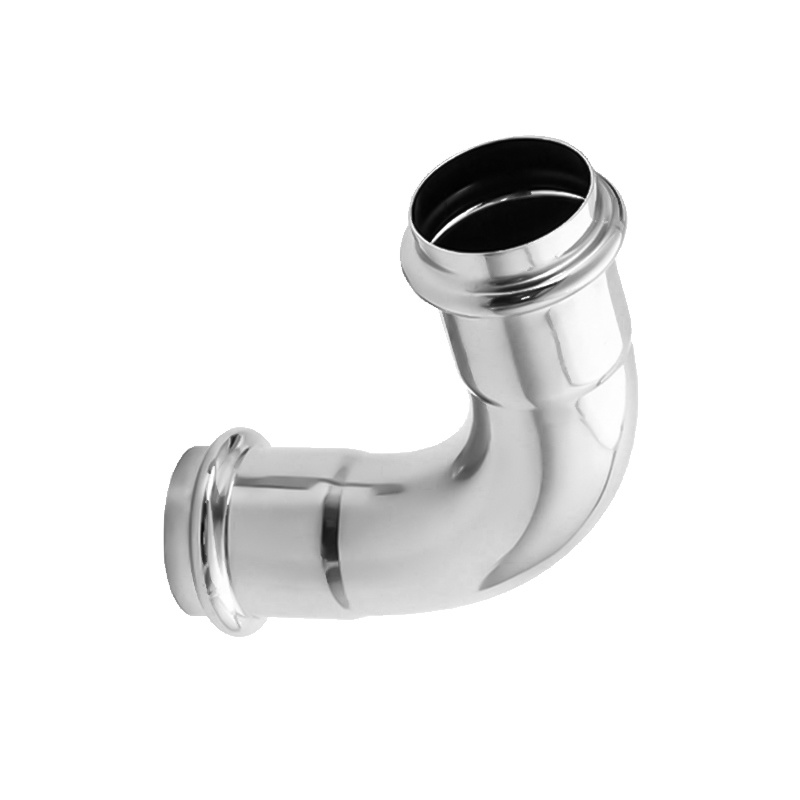
Essential Maintenance Tips for Ensuring the Longevity of Your Stainless Steel Flanged Flow Splitters
Table of Contents
- Introduction to Stainless Steel Flanged Flow Splitters
- Understanding Flow Splitters: What Are They?
- The Importance of Maintenance for Flow Splitters
- Routine Cleaning Practices for Stainless Steel Flow Splitters
- Inspecting Your Flow Splitters for Damage
- Preventive Maintenance Tips to Enhance Longevity
- Common Issues with Flow Splitters and Their Solutions
- Frequently Asked Questions
- Conclusion
Introduction to Stainless Steel Flanged Flow Splitters
Stainless steel flanged flow splitters play a vital role in various plumbing and industrial applications. These components facilitate the even distribution of fluid across multiple outlets, ensuring efficient system performance. Given their critical role, maintaining these devices is essential for longevity and reliability.
Understanding Flow Splitters: What Are They?
Flow splitters are specially designed fittings that divide a single flow of liquid into multiple streams. **Stainless steel**, known for its corrosion resistance and mechanical strength, is a popular material for these devices. Flanged connections are used to ensure a secure and leak-proof installation, making them ideal for high-pressure environments.
Types of Flow Splitters
There are several types of flow splitters, including:
- **Single-Port Splitters**: Ideal for simple applications.
- **Multi-Port Splitters**: Used in complex systems requiring multiple outputs.
- **Adjustable Splitters**: Allow for flow regulation.
The Importance of Maintenance for Flow Splitters
Regular maintenance of stainless steel flanged flow splitters is crucial for several reasons:
- **Preventing Corrosion**: While stainless steel resists corrosion, it is not entirely immune. Regular maintenance helps prevent rust and degradation.
- **Ensuring Efficiency**: Properly maintained splitters function optimally, preventing bottlenecks in fluid distribution.
- **Extending Lifespan**: Routine care can significantly prolong the life of your flow splitters, saving you money on replacements.
Routine Cleaning Practices for Stainless Steel Flow Splitters
Cleaning your stainless steel flanged flow splitters should be a regular part of your maintenance routine. Here’s how to do it effectively:
1. Basic Cleaning Steps
- **Gather Supplies**: You will need a soft cloth, mild detergent, and warm water.
- **Wipe Down**: Use the cloth soaked in the soapy water to gently wipe the exterior surfaces of the flow splitter.
- **Rinse Thoroughly**: After cleaning, rinse with clean water to remove any soap residue.
- **Dry Completely**: Ensure that the splitter is dried thoroughly to prevent water spots and potential corrosion.
2. Deep Cleaning Techniques
For more thorough cleaning, especially in industrial settings:
- **Use a Non-Abrasive Cleaner**: Apply a non-abrasive stainless steel cleaner to remove stubborn stains.
- **Brush Away Deposits**: Use a soft-bristle brush to gently scrub away any buildup or deposits in the flanges.
Inspecting Your Flow Splitters for Damage
Regular inspections are critical to identify and address any potential issues before they escalate.
1. Visual Inspections
Conduct visual inspections at least once a month to check for:
- **Corrosion Spots**: Look for signs of rust or pitting.
- **Cracks**: Examine the flanges and body for any visible cracks or deformities.
2. Functional Testing
Perform functional tests by running fluid through the splitter to ensure proper flow distribution. Listen for unusual noises that may indicate internal issues.
Preventive Maintenance Tips to Enhance Longevity
Adopting preventive maintenance strategies can help maintain the integrity and functionality of your stainless steel flanged flow splitters.
1. Regularly Check Seals and Gaskets
Inspect seals and gaskets for wear and tear. Replace them as necessary to prevent leaks.
2. Maintain Proper Flow Pressure
Ensure that the flow pressure remains within the recommended limits to prevent undue stress on the splitter.
3. Monitor Chemical Exposure
If your flow splitters are exposed to chemicals, ensure that they are compatible with stainless steel to prevent degradation.
4. Schedule Professional Inspections
Consider scheduling professional inspections annually to ensure comprehensive maintenance and identification of potential issues.
Common Issues with Flow Splitters and Their Solutions
Even with regular maintenance, problems can occur. Here are some common issues and their solutions:
1. Corrosion
**Solution**: If corrosion is detected, sand down the affected area and apply a rust inhibitor.
2. Flow Rate Issues
**Solution**: Check for blockages or restrictions in the piping connected to the splitter. Cleaning or replacing components may be necessary.
3. Leaks
**Solution**: Identify the source of the leak, often at the flanges or gaskets, and replace them if damaged.
Frequently Asked Questions
1. How often should I clean my stainless steel flow splitter?
We recommend cleaning your splitter at least once a month to ensure optimal performance.
2. What should I do if I notice rust on my flow splitter?
If you see rust, immediately clean the area and apply a rust inhibitor. If the rust is severe, consider replacing the component.
3. Can I use abrasive cleaners on my stainless steel flow splitter?
No, abrasive cleaners can scratch and damage stainless steel surfaces. Stick to non-abrasive cleaning products.
4. How can I tell if my flow splitter is functioning properly?
Perform visual and functional inspections. If the fluid flows evenly and there are no unusual noises, it’s likely functioning well.
5. Is professional maintenance necessary?
While routine maintenance can be performed in-house, professional inspections can uncover hidden issues and ensure thorough care.
Conclusion
Maintaining your stainless steel flanged flow splitters is essential for ensuring their longevity and optimal performance. By adopting regular cleaning practices, conducting thorough inspections, and implementing preventive maintenance strategies, you can significantly enhance the lifespan of these critical components. Following the tips outlined in this guide will not only save you money in the long run but also ensure that your plumbing systems operate smoothly and efficiently. Prioritizing maintenance will ultimately lead to improved reliability and performance of your flow splitters.

Contact Us
E-mail :
lena@gysusstainless.com
WhatsApp:
13580506972
Address:
First Floor, No. 147, Pacific Industrial Zone, Xintang Town, Zengcheng District, Guangzhou City, Guangdong Province

Search for the product you want to know
Contact Us
First Floor, No. 147, Pacific Industrial Zone, Xintang Town, Zengcheng District, Guangzhou City, Guangdong Province
Focus on the research and development, customization, production, and sales of stainless steel water separators and stainless steel pipe fittings