To provide high-quality stainless steel water separators for global customers.
Essential Guide to Stainless Steel Pipe Fittings in Plumbing Applications
Sep 15,2026
---
Stainless steel pipe fittings are crucial components in plumbing applications, especially in the construction and decoration materials sector. These fittings are made from stainless steel, which is known for its durability, resistance to corrosion, and ability to withstand high temperatures. Understanding the different types of stainless steel pipe fittings and their uses can significantly impact the efficiency and longevity of plumbing systems.
One of the primary advantages of stainless steel pipe fittings is their resistance to rust and corrosion. This property makes them particularly suitable for water supply systems and environments where exposure to moisture is frequent. Unlike other materials, stainless steel does not deteriorate over time, ensuring that plumbing systems remain reliable and safe for extended periods.
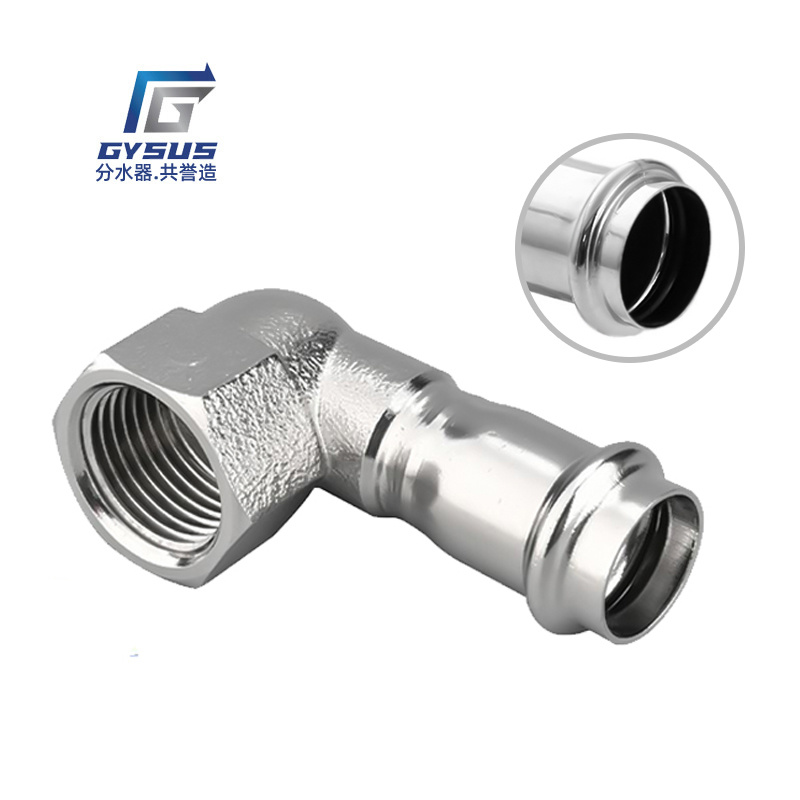
There are several types of stainless steel pipe fittings, each designed for specific functions. The most common types include elbows, tees, couplings, reducers, and caps. Elbows are used to change the direction of the piping, while tees allow for branching off to different lines. Couplings serve to connect two pipes of the same diameter, and reducers enable the connection of pipes of different sizes. Caps are used to seal the ends of pipes. Each of these fittings plays a significant role in the overall configuration of plumbing systems.
In addition to their practical applications, stainless steel pipe fittings offer aesthetic benefits. Their sleek appearance makes them a popular choice for exposed plumbing installations, contributing to the overall design of modern spaces. This is especially relevant in high-end residential and commercial projects where visual appeal is a key consideration.
Installation of stainless steel pipe fittings is relatively straightforward, but it requires careful planning and execution. Ensuring that the fittings are compatible with the pipes being used is critical to avoid leaks and maintain system integrity. Professionals in the plumbing and construction industries should familiarize themselves with best practices for installation, including proper torque specifications and the use of appropriate sealing methods.
Lastly, while the initial cost of stainless steel pipe fittings may be higher compared to other materials, their long-term benefits often outweigh the upfront investment. The durability and low maintenance requirements can lead to significant savings over time, making them a wise choice for both residential and commercial plumbing systems.
In conclusion, understanding stainless steel pipe fittings is essential for anyone involved in plumbing and construction. Their unique properties and versatile applications make them a reliable choice for a wide range of projects. By choosing the right fittings and ensuring proper installation, professionals can create efficient, durable plumbing systems that stand the test of time.
Stainless steel pipe fittings are crucial components in plumbing applications, especially in the construction and decoration materials sector. These fittings are made from stainless steel, which is known for its durability, resistance to corrosion, and ability to withstand high temperatures. Understanding the different types of stainless steel pipe fittings and their uses can significantly impact the efficiency and longevity of plumbing systems.
One of the primary advantages of stainless steel pipe fittings is their resistance to rust and corrosion. This property makes them particularly suitable for water supply systems and environments where exposure to moisture is frequent. Unlike other materials, stainless steel does not deteriorate over time, ensuring that plumbing systems remain reliable and safe for extended periods.
There are several types of stainless steel pipe fittings, each designed for specific functions. The most common types include elbows, tees, couplings, reducers, and caps. Elbows are used to change the direction of the piping, while tees allow for branching off to different lines. Couplings serve to connect two pipes of the same diameter, and reducers enable the connection of pipes of different sizes. Caps are used to seal the ends of pipes. Each of these fittings plays a significant role in the overall configuration of plumbing systems.
In addition to their practical applications, stainless steel pipe fittings offer aesthetic benefits. Their sleek appearance makes them a popular choice for exposed plumbing installations, contributing to the overall design of modern spaces. This is especially relevant in high-end residential and commercial projects where visual appeal is a key consideration.
Installation of stainless steel pipe fittings is relatively straightforward, but it requires careful planning and execution. Ensuring that the fittings are compatible with the pipes being used is critical to avoid leaks and maintain system integrity. Professionals in the plumbing and construction industries should familiarize themselves with best practices for installation, including proper torque specifications and the use of appropriate sealing methods.
Lastly, while the initial cost of stainless steel pipe fittings may be higher compared to other materials, their long-term benefits often outweigh the upfront investment. The durability and low maintenance requirements can lead to significant savings over time, making them a wise choice for both residential and commercial plumbing systems.
In conclusion, understanding stainless steel pipe fittings is essential for anyone involved in plumbing and construction. Their unique properties and versatile applications make them a reliable choice for a wide range of projects. By choosing the right fittings and ensuring proper installation, professionals can create efficient, durable plumbing systems that stand the test of time.
PREVIOUS:

Contact Us
E-mail :
lena@gysusstainless.com
WhatsApp:
13580506972
Address:
First Floor, No. 147, Pacific Industrial Zone, Xintang Town, Zengcheng District, Guangzhou City, Guangdong Province

Search for the product you want to know
Contact Us
First Floor, No. 147, Pacific Industrial Zone, Xintang Town, Zengcheng District, Guangzhou City, Guangdong Province
Focus on the research and development, customization, production, and sales of stainless steel water separators and stainless steel pipe fittings