To provide high-quality stainless steel water separators for global customers.
Understanding Stainless Steel Pipe Fittings: Essential Insights for Professionals
Sep 27,2026
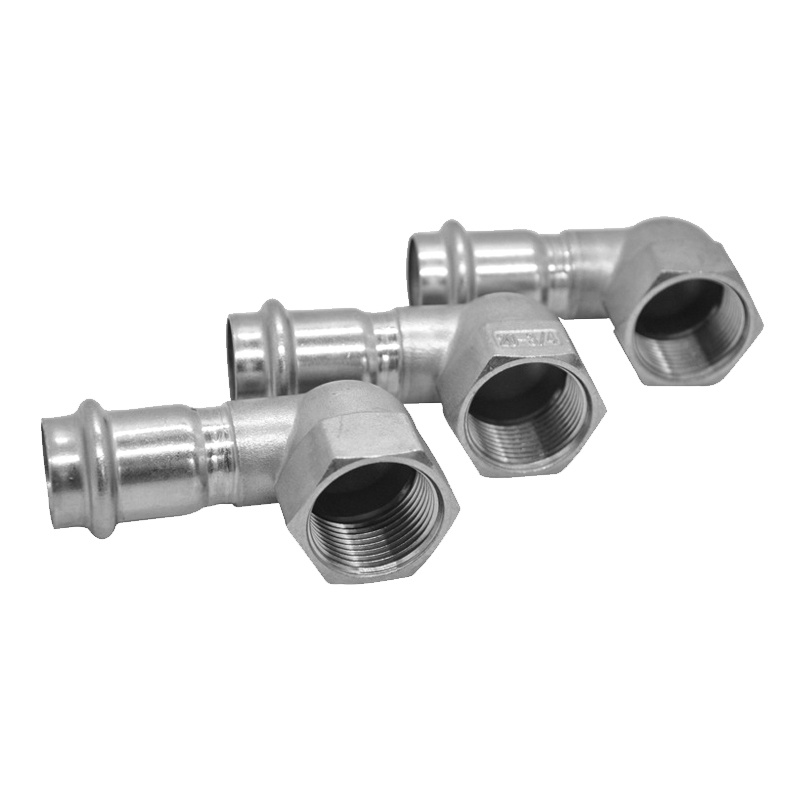
When working in the construction and plumbing industry, understanding the characteristics and applications of stainless steel pipe fittings is essential. These fittings are integral components that connect pipes, control flow, and provide structural support in various water distribution systems. Their durability and resistance to corrosion make them an ideal choice for both residential and commercial projects.
Stainless steel pipe fittings are manufactured using a variety of stainless steel grades, the most common being 304 and 316. Grade 304 is widely used for its excellent corrosion resistance and overall versatility, making it suitable for a range of applications. Grade 316, on the other hand, offers enhanced resistance to chlorides and is often employed in marine and chemical applications. Understanding these grades is vital for professionals to ensure they select the right fittings for their specific project needs.
One of the primary advantages of stainless steel pipe fittings is their longevity. Unlike other materials that may corrode or degrade over time, stainless steel maintains its integrity, which translates to lower maintenance costs and longer service life. This is particularly important in plumbing systems where the cost of repairs and replacements can be significant. Additionally, stainless steel fittings can withstand high temperatures and pressures, making them suitable for a variety of applications, including hot water systems and industrial piping.
In terms of installation, stainless steel pipe fittings are generally straightforward to use. They can be welded, threaded, or flanged, allowing for flexibility in design and implementation. Professionals should be knowledgeable about the installation methods that best suit the specific requirements of their projects. Proper installation not only ensures optimal performance but also helps to prevent leaks and potential water damage.
Moreover, stainless steel's aesthetic appeal cannot be overlooked. Its sleek, modern appearance makes it a preferred choice in visible areas of plumbing systems, such as in kitchens and bathrooms. This quality, combined with its functional benefits, makes stainless steel fittings an excellent choice for architects and designers aiming for both form and function in their projects.
In conclusion, understanding stainless steel pipe fittings is crucial for professionals in the construction and plumbing industries. Their durability, resistance to corrosion, and versatile applications make them an indispensable component of modern water distribution systems. By choosing the right type of stainless steel fittings and ensuring proper installation, professionals can enhance the longevity and reliability of their projects, ultimately contributing to greater customer satisfaction and project success.

Contact Us
E-mail :
lena@gysusstainless.com
WhatsApp:
13580506972
Address:
First Floor, No. 147, Pacific Industrial Zone, Xintang Town, Zengcheng District, Guangzhou City, Guangdong Province

Search for the product you want to know
Contact Us
First Floor, No. 147, Pacific Industrial Zone, Xintang Town, Zengcheng District, Guangzhou City, Guangdong Province
Focus on the research and development, customization, production, and sales of stainless steel water separators and stainless steel pipe fittings