To provide high-quality stainless steel water separators for global customers.
The Environmental Benefits of Using Stainless Steel Flanged Flow Splitters
Sep 30,2026
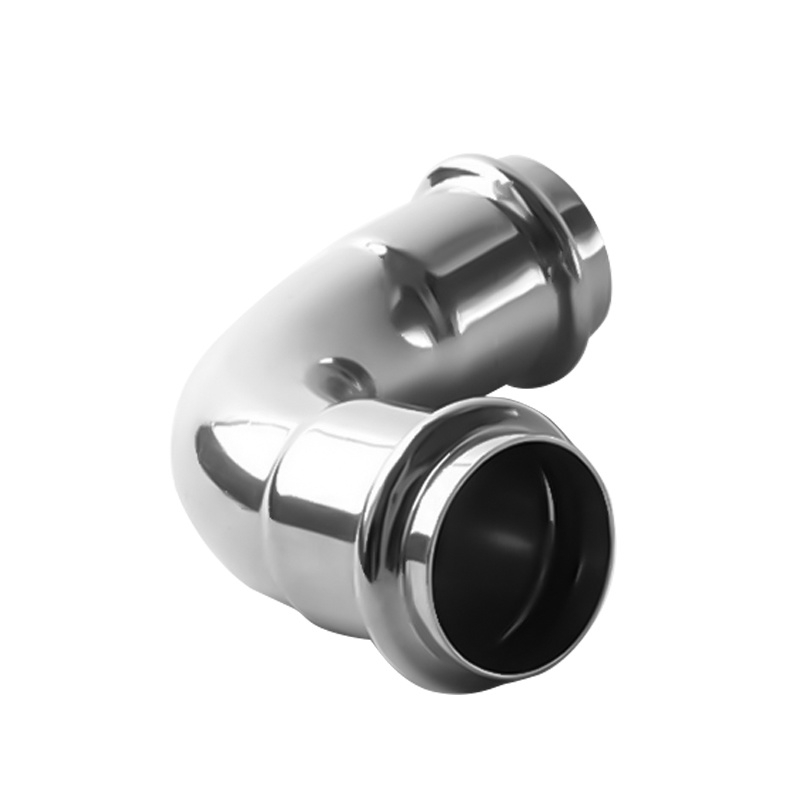
The Environmental Benefits of Using Stainless Steel Flanged Flow Splitters
As environmental concerns continue to grow, the construction and plumbing industries are seeking solutions that promote sustainability without compromising performance. One such solution is the stainless steel flanged flow splitter. These innovative devices are not just critical components in hydraulic systems; they also offer numerous environmental benefits that make them an attractive choice for modern infrastructure.
Understanding Flow Splitters and Their Functionality
Flow splitters are devices used to divide water or other fluids into multiple streams, allowing for efficient distribution throughout a system. Typically, these devices are critical in plumbing, heating, and cooling systems. Stainless steel flanged flow splitters, in particular, are designed with flanged connections that facilitate easy installation and maintenance.
What Makes Stainless Steel an Eco-Friendly Choice?
Stainless steel is inherently an environmentally friendly material. Its properties provide several advantages in sustainability:
- **Recyclability**: Stainless steel is 100% recyclable, meaning that it can be repurposed repeatedly without loss of quality. This reduces waste and the demand for new materials.
- **Durability**: Stainless steel is resistant to rust and corrosion, which prolongs its lifespan. Longer-lasting materials reduce the need for frequent replacements, thus minimizing waste.
- **Energy Efficiency**: The use of stainless steel in manufacturing processes can often result in lower energy consumption compared to other materials.
Key Environmental Benefits of Stainless Steel Flanged Flow Splitters
The adoption of stainless steel flanged flow splitters offers a multitude of environmental benefits. Here are some of the most significant advantages:
1. Water Conservation
Water scarcity is a pressing global issue. Stainless steel flanged flow splitters can optimize water usage in plumbing systems by ensuring that water is distributed evenly and efficiently. By reducing leaks and enhancing flow regulation, these devices play a crucial role in conserving water resources.
Efficient Distribution Systems
The design of stainless steel flow splitters allows for precise control of fluid dynamics, ensuring that water is not wasted. This efficiency is particularly important in large-scale applications, such as irrigation systems, where every drop counts.
2. Reduced Carbon Footprint
By using stainless steel flanged flow splitters, the entire system can operate more efficiently. This leads to lower energy consumption and, ultimately, a reduced carbon footprint. The manufacturing and transportation of materials contribute significantly to greenhouse gas emissions; thus, choosing durable and recyclable materials can mitigate these effects.
Energy Efficiency in HVAC Systems
In heating, ventilation, and air conditioning (HVAC) systems, flow splitters help maintain optimal fluid temperatures, which in turn reduces the energy needed for heating or cooling. This not only saves money but also lowers the overall environmental impact.
3. Longevity and Maintenance
Stainless steel flow splitters are known for their longevity. Their resistance to corrosion and wear means that they require less frequent replacement and maintenance. This aspect not only saves costs but also reduces the environmental impact associated with the production and disposal of replacement parts.
Lower Maintenance Frequency
Fewer maintenance visits mean fewer resources expended on repairs and replacements, further contributing to a more sustainable system.
Installation and Operational Advantages
Aside from their environmental benefits, stainless steel flanged flow splitters also offer practical advantages in installation and operation.
Easy Installation and Versatility
Stainless steel flanged flow splitters come with pre-drilled flanged ends, making them easy to install in various plumbing and processing configurations. This versatility allows for quick adaptations to existing systems, minimizing downtime and resource use during installations.
Customizable Solutions
The design flexibility of stainless steel flow splitters means they can be tailored to fit specific project needs, allowing for innovative solutions in diverse applications.
Low Maintenance Requirements
Once installed, stainless steel flanged flow splitters require minimal upkeep, which translates to lower operational costs. Their durability means they can withstand the rigors of daily use without frequent interventions.
The Role of Stainless Steel in Green Building Practices
As the construction industry shifts towards more sustainable practices, stainless steel flanged flow splitters align perfectly with green building initiatives.
Contributions to LEED Certification
Using materials like stainless steel in construction can contribute to achieving Leadership in Energy and Environmental Design (LEED) certification. Projects that prioritize sustainable materials and practices are increasingly favored in both public and private sectors.
Promoting Sustainable Infrastructure
Stainless steel flow splitters help create infrastructure that is not only functional but also sustainable, paving the way for future green building efforts.
Cost-Effectiveness of Stainless Steel Flow Splitters
While the initial investment in stainless steel flanged flow splitters may be higher than alternatives, the long-term savings and environmental benefits make them a cost-effective solution.
Long-Term Savings
Considering the durability and low maintenance required for stainless steel flow splitters, the long-term operational costs can be significantly lower. This makes them a wise investment for both commercial and residential applications.
Comparative Analysis with Other Materials
When comparing stainless steel to other materials like PVC or cast iron, the overall lifecycle costs—including installation, maintenance, and replacement—often favor stainless steel due to its longevity and efficiency.
Real-World Applications of Stainless Steel Flanged Flow Splitters
Stainless steel flanged flow splitters are used in various industries, from residential plumbing to large-scale industrial applications. Here are some notable examples:
Agricultural Irrigation Systems
In agriculture, managing water resources is crucial. Stainless steel flanged flow splitters ensure efficient water distribution across vast fields, promoting sustainable farming practices.
Commercial HVAC Systems
In commercial buildings, stainless steel flow splitters can optimize the efficiency of HVAC systems, leading to lower energy consumption and improved indoor air quality.
Municipal Water Supply and Wastewater Treatment
Municipal systems benefit from the reliability and efficiency of stainless steel flanged flow splitters, which help ensure clean water delivery and effective wastewater management.
Future Trends in Sustainable Plumbing and Construction
As technology advances, the use of stainless steel in plumbing and construction is likely to grow. Innovations in design and manufacturing processes will continue to enhance the sustainability of these materials.
Smart Technologies and Automation
The integration of smart technologies in plumbing systems can further optimize water use and efficiency, making stainless steel flow splitters an even more integral component of sustainable infrastructure.
Increasing Regulations and Standards
With stricter environmental regulations on the horizon, industries will increasingly turn to sustainable materials like stainless steel to comply with new standards and guidelines.
Frequently Asked Questions (FAQs)
1. Are stainless steel flanged flow splitters easy to install?
Yes, they feature pre-drilled flanged ends for straightforward installation in various systems.
2. How do stainless steel flow splitters contribute to water conservation?
They optimize water distribution, reducing waste and ensuring efficient usage.
3. What is the lifespan of stainless steel flanged flow splitters?
Their resistance to corrosion and wear allows them to last significantly longer than many alternative materials.
4. Can stainless steel flow splitters be recycled?
Absolutely. Stainless steel is 100% recyclable, making it an eco-friendly choice.
5. What industries benefit from using stainless steel flanged flow splitters?
They are widely used in plumbing, HVAC systems, agriculture, and municipal water supply systems.
Conclusion
In summary, the environmental benefits of using stainless steel flanged flow splitters are extensive and undeniable. Their role in water conservation, energy efficiency, and sustainability makes them a vital component in modern plumbing and construction systems. By choosing stainless steel, we are not only investing in durable and efficient solutions but also contributing to a greener future. As industries continue to prioritize sustainable practices, stainless steel flanged flow splitters will undoubtedly play a crucial role in shaping a more eco-friendly world.

Contact Us
E-mail :
lena@gysusstainless.com
WhatsApp:
13580506972
Address:
First Floor, No. 147, Pacific Industrial Zone, Xintang Town, Zengcheng District, Guangzhou City, Guangdong Province

Search for the product you want to know
Contact Us
First Floor, No. 147, Pacific Industrial Zone, Xintang Town, Zengcheng District, Guangzhou City, Guangdong Province
Focus on the research and development, customization, production, and sales of stainless steel water separators and stainless steel pipe fittings