To provide high-quality stainless steel water separators for global customers.
Stainless Steel Flow Distributors vs. Plastic: Essential Considerations for Optimal Performance in Plumbing Systems
Apr 04,2026
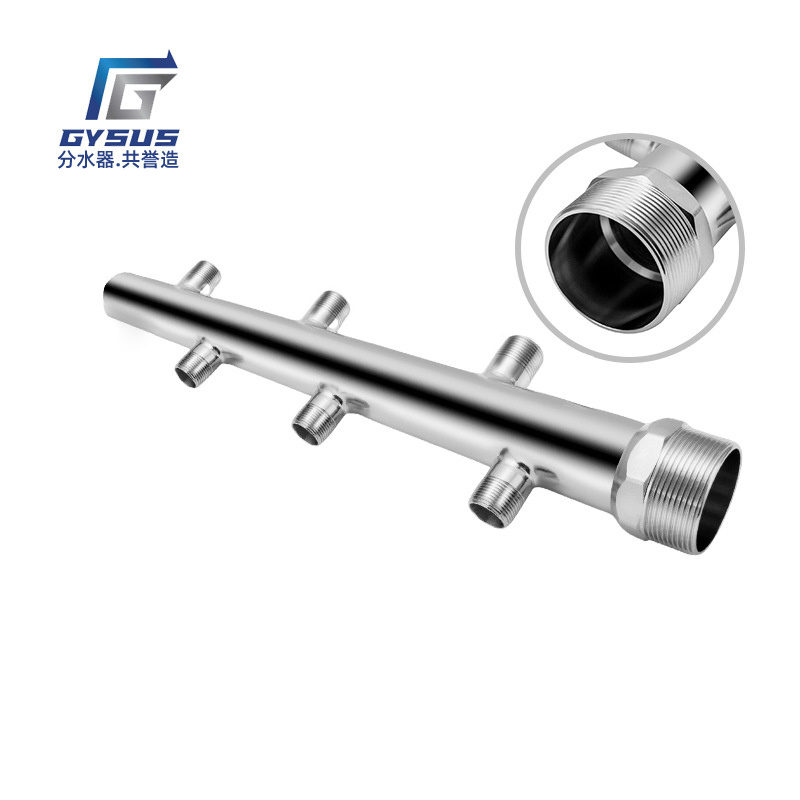
Stainless Steel Flow Distributors vs. Plastic: What to Consider
Table of Contents
- 1. Introduction to Flow Distributors
- 2. Types of Flow Distributors
- 3. Benefits of Stainless Steel Flow Distributors
- 4. Benefits of Plastic Flow Distributors
- 5. Comparative Analysis of Stainless Steel and Plastic Flow Distributors
- 6. Factors to Consider When Choosing Flow Distributors
- 7. Cost Considerations: Stainless Steel vs. Plastic
- 8. Environmental Impact of Material Choices
- 9. Conclusion
- 10. Frequently Asked Questions
1. Introduction to Flow Distributors
Flow distributors are essential components in plumbing systems, responsible for efficiently managing the distribution of water and other fluids through various channels. They play a pivotal role in ensuring optimal performance, maintaining pressure, and enhancing the overall efficiency of a plumbing system. With a variety of materials available for flow distributors, two of the most common options are **stainless steel** and **plastic**. Each material offers distinct advantages and disadvantages that can significantly impact the functionality and longevity of plumbing systems.
2. Types of Flow Distributors
Flow distributors can be categorized based on their construction materials and applications. Let's explore the two primary types:
2.1 Stainless Steel Flow Distributors
Stainless steel flow distributors are renowned for their strength and corrosion resistance. They are commonly used in applications where durability and reliability are paramount, such as in commercial plumbing systems and industrial settings.
2.2 Plastic Flow Distributors
Plastic flow distributors, often made from materials such as PVC or polyethylene, are favored for their lightweight nature and cost-effectiveness. They are typically employed in residential plumbing applications and situations where pressure and temperature conditions are moderate.
3. Benefits of Stainless Steel Flow Distributors
When considering stainless steel flow distributors, several key benefits stand out:
3.1 Durability and Longevity
Stainless steel is known for its exceptional durability. It resists rust, corrosion, and wear, which means that stainless steel flow distributors can last significantly longer than their plastic counterparts, especially in harsh environments.
3.2 High Temperature and Pressure Resistance
Stainless steel can withstand higher temperatures and pressures without deforming, making it ideal for demanding applications such as heating systems and high-pressure water lines.
3.3 Aesthetic Appeal
The sleek and modern appearance of stainless steel adds an aesthetic value to plumbing installations, making it a preferred choice in visible areas.
4. Benefits of Plastic Flow Distributors
Plastic flow distributors offer numerous advantages that can be appealing depending on the application:
4.1 Lightweight and Easy to Install
Due to their lightweight nature, plastic flow distributors are much easier to handle and install, reducing the labor costs associated with installation.
4.2 Cost-Effectiveness
Plastic distributors are generally more affordable than stainless steel options, making them an attractive choice for budget-conscious projects.
4.3 Chemical Resistance
Certain plastics are highly resistant to chemicals, which can be an important factor when dealing with corrosive fluids.
5. Comparative Analysis of Stainless Steel and Plastic Flow Distributors
A comprehensive comparison between stainless steel and plastic flow distributors reveals several critical factors to consider:
5.1 Strength and Durability
Stainless steel outperforms plastic in terms of strength and durability. While plastic may crack or degrade over time, stainless steel remains robust under various conditions.
5.2 Weight
Plastic distributors win in terms of weight, making them easier to transport and install. For projects requiring lightweight materials, plastic is the clear choice.
5.3 Cost
In terms of upfront costs, plastic is typically more budget-friendly. However, the long-term durability of stainless steel may lead to lower replacement and maintenance costs.
5.4 Installation Requirements
Plastic flow distributors often require fewer special tools for installation, while stainless steel may need welding or advanced fittings, which can increase installation time and costs.
6. Factors to Consider When Choosing Flow Distributors
When selecting between stainless steel and plastic flow distributors, consider the following factors:
6.1 Application Environment
Determine the environment in which the flow distributor will be used. High-pressure or high-temperature applications may necessitate stainless steel, while residential or light-duty applications may benefit from plastic.
6.2 Fluid Type
The type of fluid being transported can significantly influence material choice. For corrosive fluids, proper material compatibility is crucial.
6.3 Installation and Maintenance
Evaluate the ease of installation and maintenance for each option. If labor costs are a concern, the simpler installation process of plastic may be beneficial.
6.4 Budget Constraints
Consider the overall project budget, including both initial costs and potential long-term maintenance expenses.
7. Cost Considerations: Stainless Steel vs. Plastic
Cost is often a deciding factor in choosing between stainless steel and plastic flow distributors.
7.1 Initial Purchase Price
Plastic flow distributors typically have a lower initial purchase price compared to stainless steel, making them attractive for budget-limited projects.
7.2 Long-Term Costs
While stainless steel may have a higher upfront cost, its durability can lead to lower long-term costs due to less frequent replacements and reduced maintenance.
8. Environmental Impact of Material Choices
Choosing sustainable materials is increasingly important in today’s world.
8.1 Stainless Steel
Stainless steel is recyclable and has a long lifespan, which can minimize waste over time. Its production does require significant energy, but its durability can offset this impact.
8.2 Plastic
The environmental impact of plastic is a growing concern. While some plastics can be recycled, many end up in landfills. Evaluating the lifecycle of plastic materials is crucial for sustainability considerations.
9. Conclusion
Choosing between stainless steel flow distributors and plastic options ultimately depends on specific project requirements, including application environment, budget constraints, and the characteristics of the fluids being transported. Stainless steel offers unparalleled durability and strength, making it ideal for demanding applications. In contrast, plastic flow distributors provide cost-effective solutions for lighter-duty projects with straightforward installation needs.
By weighing the various factors outlined, we can make informed decisions that will ensure optimal performance and longevity in our plumbing systems. Balancing aspects like cost, durability, and environmental impact will lead to more sustainable and efficient choices in flow distributor materials.
10. Frequently Asked Questions
1. Are stainless steel flow distributors better than plastic?
Not necessarily. The choice between stainless steel and plastic depends on the specific requirements of your plumbing project, including budget, application conditions, and fluid types.
2. Can plastic flow distributors handle high temperatures?
Plastic flow distributors can handle moderate temperatures, but they are not ideal for high-temperature applications where stainless steel is preferred.
3. How do stainless steel flow distributors resist corrosion?
Stainless steel contains chromium, which forms a protective oxide layer on the surface, preventing rust and corrosion.
4. Are plastic flow distributors recyclable?
Some plastic flow distributors can be recycled, but it depends on the specific type of plastic used.
5. What is the lifespan of stainless steel flow distributors?
Stainless steel flow distributors can last for many years, often beyond 20 years, depending on the environment and maintenance practices.
By considering these factors and consultative options, we can confidently choose the most suitable flow distributors for our plumbing needs, ensuring efficient and reliable performance in any system.
PREVIOUS:

Contact Us
E-mail :
lena@gysusstainless.com
WhatsApp:
13580506972
Address:
First Floor, No. 147, Pacific Industrial Zone, Xintang Town, Zengcheng District, Guangzhou City, Guangdong Province

Search for the product you want to know
Contact Us
First Floor, No. 147, Pacific Industrial Zone, Xintang Town, Zengcheng District, Guangzhou City, Guangdong Province
Focus on the research and development, customization, production, and sales of stainless steel water separators and stainless steel pipe fittings