To provide high-quality stainless steel water separators for global customers.
Understanding Stainless Steel Flanged Flow Splitters: Essential Insights for Your Plumbing Needs
Apr 07,2026
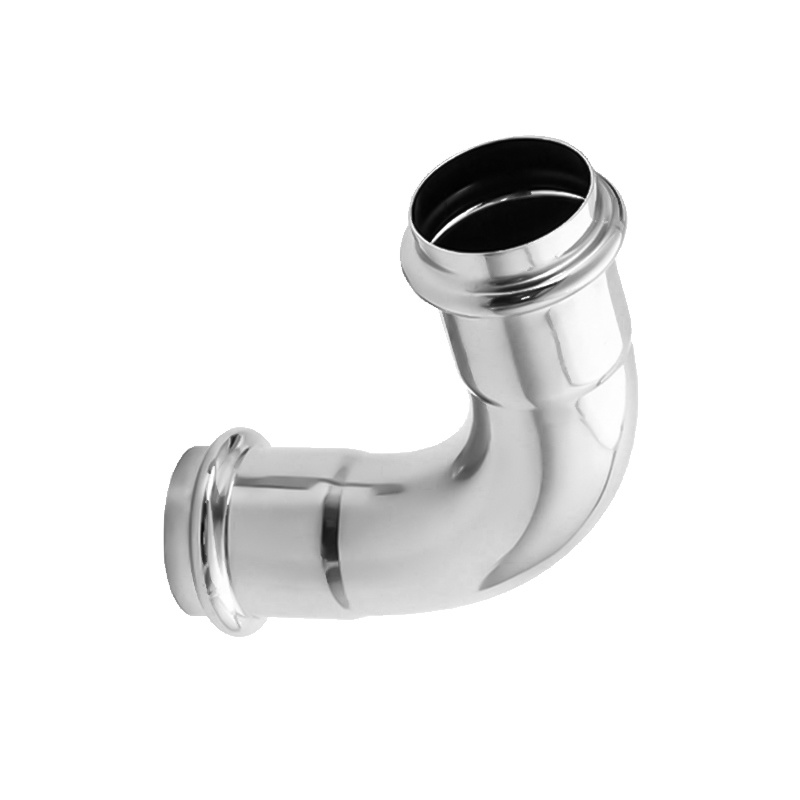
Stainless steel flanged flow splitters are essential components in plumbing and fluid management systems, particularly in construction and decorative materials sectors. These devices facilitate the even distribution of fluid flow, ensuring that multiple outlets receive the appropriate amount of liquid for efficient operation. With their robust design and corrosion-resistant properties, stainless steel flow splitters are ideal for use in various applications, including residential, commercial, and industrial settings.
The primary function of a stainless steel flanged flow splitter is to divide a single flow of liquid into multiple streams. This is particularly important in systems where a constant pressure or flow rate is necessary across various outlets. By using a flanged connection, these splitters can be easily integrated into existing piping systems without the need for extensive modifications, saving both time and resources during installation.
One of the key advantages of stainless steel flanged flow splitters is their durability. Stainless steel is known for its strength and resistance to rust, corrosion, and high temperatures, making it a preferred material for plumbing fixtures. This durability ensures a long lifespan for the splitter, reducing the need for frequent replacements and maintenance. Furthermore, stainless steel is non-reactive, meaning it won't leach harmful substances into the fluid being transported, ensuring safety and compliance with health standards.
In addition to their physical properties, the design of stainless steel flanged flow splitters allows for efficient fluid dynamics. By optimizing the flow path, these splitters minimize turbulence and pressure loss, which can lead to improved overall system efficiency. This is particularly beneficial in applications such as HVAC systems, irrigation, and process water systems, where maintaining consistent flow rates is critical.
When selecting a stainless steel flanged flow splitter, it is essential to consider factors such as flow rate requirements, the number of outlets needed, and pressure ratings. Proper sizing ensures that the splitter can handle the intended flow without causing bottlenecks or excessive pressure drops. Additionally, compatibility with existing piping materials and configurations should be assessed to guarantee a seamless installation.
In conclusion, stainless steel flanged flow splitters are vital components in modern plumbing systems, offering robust performance and reliability. Their ability to efficiently distribute fluid flow while resisting corrosion makes them a top choice for various applications in the construction sector. By understanding the benefits and considerations associated with these devices, professionals can make informed decisions that enhance system performance and longevity.
The primary function of a stainless steel flanged flow splitter is to divide a single flow of liquid into multiple streams. This is particularly important in systems where a constant pressure or flow rate is necessary across various outlets. By using a flanged connection, these splitters can be easily integrated into existing piping systems without the need for extensive modifications, saving both time and resources during installation.
One of the key advantages of stainless steel flanged flow splitters is their durability. Stainless steel is known for its strength and resistance to rust, corrosion, and high temperatures, making it a preferred material for plumbing fixtures. This durability ensures a long lifespan for the splitter, reducing the need for frequent replacements and maintenance. Furthermore, stainless steel is non-reactive, meaning it won't leach harmful substances into the fluid being transported, ensuring safety and compliance with health standards.
In addition to their physical properties, the design of stainless steel flanged flow splitters allows for efficient fluid dynamics. By optimizing the flow path, these splitters minimize turbulence and pressure loss, which can lead to improved overall system efficiency. This is particularly beneficial in applications such as HVAC systems, irrigation, and process water systems, where maintaining consistent flow rates is critical.
When selecting a stainless steel flanged flow splitter, it is essential to consider factors such as flow rate requirements, the number of outlets needed, and pressure ratings. Proper sizing ensures that the splitter can handle the intended flow without causing bottlenecks or excessive pressure drops. Additionally, compatibility with existing piping materials and configurations should be assessed to guarantee a seamless installation.
In conclusion, stainless steel flanged flow splitters are vital components in modern plumbing systems, offering robust performance and reliability. Their ability to efficiently distribute fluid flow while resisting corrosion makes them a top choice for various applications in the construction sector. By understanding the benefits and considerations associated with these devices, professionals can make informed decisions that enhance system performance and longevity.

Contact Us
E-mail :
lena@gysusstainless.com
WhatsApp:
13580506972
Address:
First Floor, No. 147, Pacific Industrial Zone, Xintang Town, Zengcheng District, Guangzhou City, Guangdong Province

Search for the product you want to know
Contact Us
First Floor, No. 147, Pacific Industrial Zone, Xintang Town, Zengcheng District, Guangzhou City, Guangdong Province
Focus on the research and development, customization, production, and sales of stainless steel water separators and stainless steel pipe fittings