To provide high-quality stainless steel water separators for global customers.
The Role of Stainless Steel Pipe Fittings in Sustainable Building Practices
Apr 10,2026
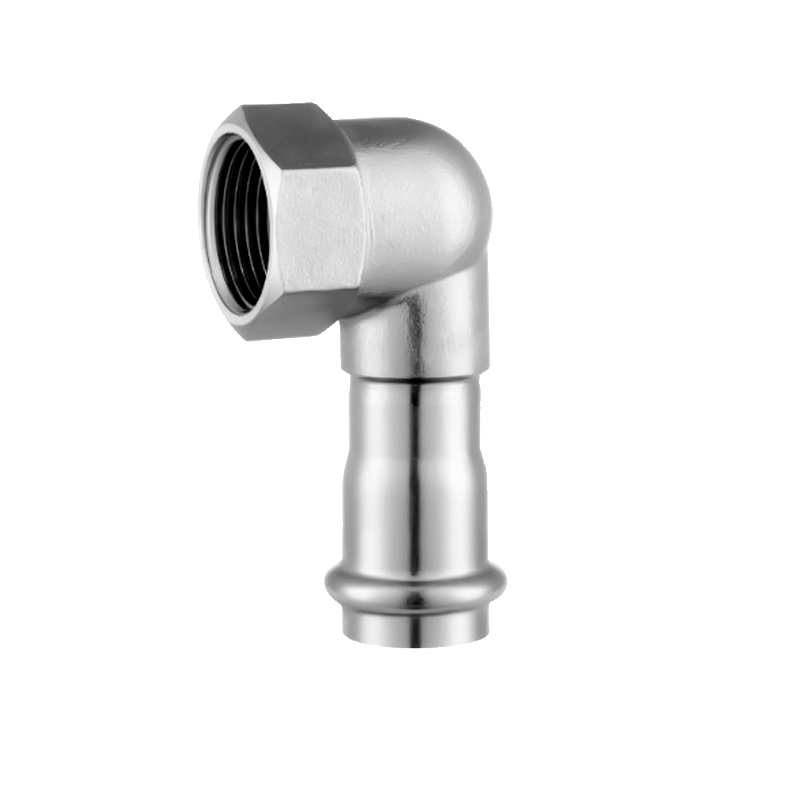
The Role of Stainless Steel Pipe Fittings in Sustainable Building Practices
Introduction to Sustainable Building Practices
In recent years, the emphasis on **sustainable building practices** has gained significant momentum. Architects, builders, and designers are increasingly seeking materials that not only meet functional requirements but also adhere to environmentally friendly standards. Stainless steel pipe fittings have emerged as a crucial component in this movement, providing robust solutions that enhance both the structural integrity and sustainability of buildings.
What Are Stainless Steel Pipe Fittings?
Stainless steel pipe fittings are components used to connect, terminate, or change the direction of pipes within plumbing systems. They are manufactured from a corrosion-resistant alloy that typically includes chromium, nickel, and molybdenum. This unique composition not only provides exceptional strength and durability but also ensures longevity in various environmental conditions.
Why Choose Stainless Steel?
The choice of stainless steel over other materials such as plastic or copper is dictated by several key factors:
- **Durability**: Stainless steel fittings are resistant to rust, corrosion, and extreme temperatures, making them ideal for both indoor and outdoor applications.
- **Low Maintenance**: Unlike other materials that may require frequent replacement or maintenance, stainless steel fittings offer an extended lifespan, which translates to reduced waste.
- **Recyclability**: Stainless steel is 100% recyclable, allowing it to be repurposed without losing its quality, thereby contributing to a circular economy.
Benefits of Stainless Steel Pipe Fittings in Sustainable Building Practices
1. Environmental Impact
Using stainless steel pipe fittings significantly reduces the environmental footprint of a construction project. Their long lifespan means that fewer resources are consumed over time, and their recyclable nature minimizes waste in landfills. Moreover, the production processes for stainless steel are becoming increasingly green, utilizing energy-efficient methods and reducing greenhouse gas emissions.
2. Energy Efficiency
Stainless steel fittings contribute to the overall energy efficiency of buildings. Their excellent thermal conductivity can aid in better heat retention within plumbing systems, ensuring that energy is not wasted. **This efficiency is crucial in designs that aim to minimize energy consumption and lower utility bills.**
3. Cost-Effectiveness
Although the initial cost of stainless steel pipe fittings may be higher than alternatives, their durability and low maintenance requirements result in lower lifecycle costs. Over time, the savings accrued from reduced repairs and replacements can outweigh the initial investment, making them a financially sound choice for builders and property developers.
4. Versatility in Applications
Stainless steel fittings are versatile and can be used across various applications, including:
- **Residential plumbing**: Ensuring reliable water supply and drainage systems.
- **Commercial installations**: Meeting the rigorous demands of commercial kitchens and bathrooms.
- **Industrial applications**: Handling aggressive chemicals and high-pressure systems.
Applications of Stainless Steel Pipe Fittings in Sustainable Construction
1. Water Supply Systems
In sustainable building practices, water efficiency is paramount. Stainless steel pipe fittings play a significant role in ensuring that water supply systems are leak-proof and reliable, reducing water waste and ensuring optimal delivery of potable water.
2. Renewable Energy Systems
Stainless steel fittings are integral to the infrastructure of renewable energy systems, such as solar thermal and geothermal installations. Their resistance to corrosion and ability to withstand temperature fluctuations make them ideal for these applications.
3. Wastewater Management
The role of stainless steel in wastewater systems cannot be overstated. Their durability and resistance to biofilm growth make them an excellent choice for handling wastewater, ensuring that systems remain functional and hygienic over time.
Challenges and Considerations in Using Stainless Steel Pipe Fittings
1. Initial Costs
While the long-term benefits are clear, the upfront costs of stainless steel pipe fittings can be a barrier for some projects. It’s essential to evaluate the total cost of ownership when considering materials for construction.
2. Installation Expertise
Proper installation of stainless steel fittings requires skilled labor. Ensuring that teams are trained in the correct techniques is crucial to maximizing the benefits of these materials.
Future Trends in Sustainable Building Practices
1. Innovative Materials
The future of sustainable building practices will likely see the integration of innovative materials alongside stainless steel. Advances in technology may lead to the development of composites that offer similar benefits while further reducing environmental impacts.
2. Smart Building Technologies
As smart building technologies become more prevalent, the role of stainless steel pipe fittings will evolve. Integration with smart systems will enhance monitoring and efficiency, paving the way for buildings that respond dynamically to their environments.
FAQs
1. What makes stainless steel pipe fittings more sustainable than other materials?
Stainless steel is durable, long-lasting, and fully recyclable, making it a more sustainable choice compared to materials that require frequent replacement or contribute to landfill waste.
2. Can stainless steel fittings be used in both residential and commercial buildings?
Yes, stainless steel pipe fittings are versatile and suitable for various applications in both residential and commercial settings.
3. How do stainless steel pipe fittings contribute to energy efficiency?
Their excellent thermal conductivity helps in maintaining temperature, reducing energy usage in plumbing systems.
4. Are there any specific maintenance requirements for stainless steel pipe fittings?
Stainless steel fittings require minimal maintenance due to their corrosion resistance. Regular checks for leaks are recommended to ensure optimal performance.
5. What should I consider when choosing pipe fittings for sustainable construction?
Consider factors such as material longevity, recyclability, installation costs, and integration with energy-efficient systems when selecting pipe fittings.
Conclusion
Stainless steel pipe fittings play a vital role in enhancing sustainable building practices. Their durability, energy efficiency, and recyclability make them an excellent choice for modern construction projects. By investing in high-quality materials like stainless steel, builders can contribute significantly to reducing the environmental impact of buildings while ensuring long-term performance and cost-effectiveness. As we move toward a more sustainable future, the importance of choosing the right materials cannot be overstated, and stainless steel will undoubtedly remain at the forefront of this evolution in construction.

Contact Us
E-mail :
lena@gysusstainless.com
WhatsApp:
13580506972
Address:
First Floor, No. 147, Pacific Industrial Zone, Xintang Town, Zengcheng District, Guangzhou City, Guangdong Province

Search for the product you want to know
Contact Us
First Floor, No. 147, Pacific Industrial Zone, Xintang Town, Zengcheng District, Guangzhou City, Guangdong Province
Focus on the research and development, customization, production, and sales of stainless steel water separators and stainless steel pipe fittings