To provide high-quality stainless steel water separators for global customers.
Innovative Applications of Stainless Steel Flanged Flow Splitters in Modern Architecture
May 22,2026
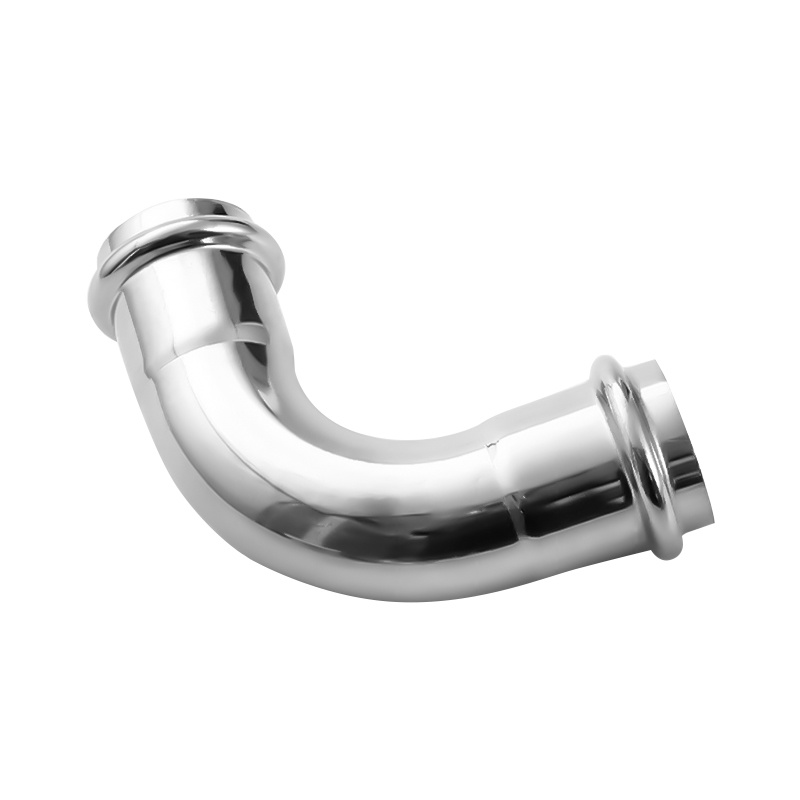
Innovative Applications of Stainless Steel Flanged Flow Splitters in Architecture
Table of Contents
- 1. Introduction to Stainless Steel Flanged Flow Splitters
- 2. Understanding Flow Splitters: Definition and Functionality
- 3. Benefits of Using Stainless Steel in Architectural Applications
- 4. Integrating Flow Splitters into Architectural Designs
- 5. The Sustainability Aspect of Stainless Steel Flow Splitters
- 6. Applications in Modern Architecture
- 7. Case Studies: Successful Implementations
- 8. Future Trends in Architectural Applications of Flow Splitters
- 9. Conclusion
- 10. Frequently Asked Questions
1. Introduction to Stainless Steel Flanged Flow Splitters
The contemporary architectural landscape is characterized by a relentless pursuit of innovation, functionality, and sustainability. Among the various elements that contribute to these ideals, stainless steel flanged flow splitters have emerged as a vital component. These devices serve to efficiently distribute fluids within systems, such as heating, cooling, and water supply, while also offering durability and aesthetic appeal that aligns with modern design principles.
2. Understanding Flow Splitters: Definition and Functionality
Flow splitters are devices designed to divide a flow of fluid into two or more separate paths. Typically constructed from durable materials, flanged flow splitters are fixed into place using flanges, allowing for secure connections to piping systems. Their functionality extends beyond mere fluid distribution; they are integral to maintaining system efficiency and ensuring optimal performance across various applications.
2.1 The Mechanics of Flow Distribution
Flow splitters operate based on principles of fluid dynamics. The design of the splitter dictates how effectively the fluid is divided and directed. In architectural applications, flow splitters may be employed in heating and cooling systems, irrigation, and even waste management, ensuring that resources are allocated effectively and efficiently.
3. Benefits of Using Stainless Steel in Architectural Applications
Utilizing stainless steel for flow splitters in architecture brings several key benefits that make it a preferred choice among architects and engineers.
3.1 Corrosion Resistance
One of the most significant advantages of stainless steel is its inherent resistance to corrosion. This characteristic ensures that flow splitters remain functional and visually appealing over time, even in harsh environments.
3.2 Strength and Durability
Stainless steel offers exceptional strength, allowing for the creation of robust flow splitters that can withstand high pressures and temperatures. This durability translates to lower maintenance costs and longer lifespans for architectural systems.
3.3 Aesthetic Versatility
Beyond functionality, stainless steel provides a sleek and modern appearance that can enhance the overall aesthetic of a building. Its versatility allows it to be integrated seamlessly into various architectural styles, from minimalist designs to more traditional looks.
4. Integrating Flow Splitters into Architectural Designs
The integration of stainless steel flanged flow splitters into architectural designs requires careful consideration of both form and function.
4.1 Collaborative Design Process
In modern architectural projects, collaboration between architects, engineers, and contractors is essential. By engaging in a co-creative process, teams can ensure that flow splitters are effectively incorporated into the overall design without compromising structural integrity or aesthetic appeal.
4.2 Innovative Installation Techniques
Advanced installation techniques allow for the strategic placement of flow splitters within walls, ceilings, or even exposed frameworks. This innovative approach not only optimizes space but also highlights the unique properties of stainless steel as a design element.
5. The Sustainability Aspect of Stainless Steel Flow Splitters
The increasing focus on sustainability in architecture makes stainless steel flow splitters an attractive option for eco-conscious design.
5.1 Recyclability
Stainless steel is fully recyclable, meaning that at the end of its life cycle, the material can be repurposed without loss of quality. This characteristic aligns perfectly with sustainable building practices.
5.2 Energy Efficiency
By optimizing fluid distribution, flow splitters can enhance the energy efficiency of HVAC systems, reducing energy consumption and operating costs. This efficiency contributes to the overall sustainability of a building.
6. Applications in Modern Architecture
The versatility of stainless steel flanged flow splitters allows them to be utilized in various architectural applications.
6.1 HVAC Systems
In heating, ventilation, and air conditioning (HVAC) systems, flow splitters play a critical role in distributing heated or cooled air throughout a building. Their efficiency contributes to maintaining indoor comfort while minimizing energy expenditure.
6.2 Water Distribution Systems
In both residential and commercial settings, stainless steel flow splitters are essential for water distribution systems, ensuring that water is delivered effectively to various points of use without pressure loss.
6.3 Irrigation Systems
For landscaping and agricultural applications, flow splitters help in managing irrigation systems, distributing water evenly across different areas to promote healthy plant growth.
6.4 Waste Management Systems
In waste management, flow splitters ensure the efficient transfer of waste materials, optimizing the overall waste handling process.
7. Case Studies: Successful Implementations
To illustrate the effectiveness of stainless steel flanged flow splitters in architecture, we can examine several case studies where these components have been successfully implemented.
7.1 Urban Mixed-Use Development
In a recent urban mixed-use development, stainless steel flow splitters were integrated into the HVAC system to enhance energy efficiency. The result was a significant reduction in energy costs while maintaining optimal indoor air quality.
7.2 Eco-Friendly Office Building
An eco-friendly office building utilized stainless steel flow splitters in its irrigation system, ensuring that water was distributed evenly across the green spaces. This approach contributed to the building's LEED certification.
7.3 High-Rise Residential Complex
In a high-rise residential complex, the implementation of stainless steel flow splitters in water distribution systems ensured reliable service to all units, enhancing resident satisfaction and reducing service calls.
8. Future Trends in Architectural Applications of Flow Splitters
As technology advances, the future of stainless steel flanged flow splitters in architecture looks promising.
8.1 Smart Building Integration
The rise of smart buildings presents opportunities for integrating flow splitters with advanced monitoring systems. This integration can lead to real-time data collection, enabling more efficient management of resources.
8.2 Innovative Materials
The development of new alloys and treatments may enhance the properties of stainless steel, making it even more suitable for architectural applications. Innovations in manufacturing processes could also lead to cost reductions and improved performance.
8.3 Customized Solutions
As architects focus on creating unique buildings, the demand for customized flow splitter solutions will grow. Manufacturers will need to adapt to these requirements, offering bespoke designs that meet specific project needs.
9. Conclusion
Stainless steel flanged flow splitters represent a significant advancement in architectural design, offering numerous benefits that enhance both functionality and aesthetics. Their applications in various systems, including HVAC, water distribution, and irrigation, demonstrate their versatility and importance in modern architecture. As the industry continues to innovate, these components will play an increasingly vital role in creating sustainable, efficient, and visually appealing structures.
10. Frequently Asked Questions
10.1 What are the main advantages of using stainless steel flow splitters?
Stainless steel flow splitters offer corrosion resistance, durability, and aesthetic versatility, making them ideal for various architectural applications.
10.2 How do flow splitters work in HVAC systems?
Flow splitters divide the airflow into multiple paths, ensuring efficient distribution of heated or cooled air throughout the building.
10.3 Are stainless steel flow splitters environmentally friendly?
Yes, stainless steel is fully recyclable and contributes to energy efficiency in systems, making it a sustainable choice for modern architecture.
10.4 Can flow splitters be customized for specific architectural designs?
Absolutely! Manufacturers are increasingly offering customized flow splitter solutions to meet unique project requirements.
10.5 What are the future trends regarding stainless steel flow splitters in architecture?
Future trends include smart building integration, innovative materials, and the demand for customized solutions to meet specific design needs.

Contact Us
E-mail :
lena@gysusstainless.com
WhatsApp:
13580506972
Address:
First Floor, No. 147, Pacific Industrial Zone, Xintang Town, Zengcheng District, Guangzhou City, Guangdong Province

Search for the product you want to know
Contact Us
First Floor, No. 147, Pacific Industrial Zone, Xintang Town, Zengcheng District, Guangzhou City, Guangdong Province
Focus on the research and development, customization, production, and sales of stainless steel water separators and stainless steel pipe fittings