To provide high-quality stainless steel water separators for global customers.
Essential Guide to Stainless Steel Pipe Fittings for Plumbing Applications
May 25,2026
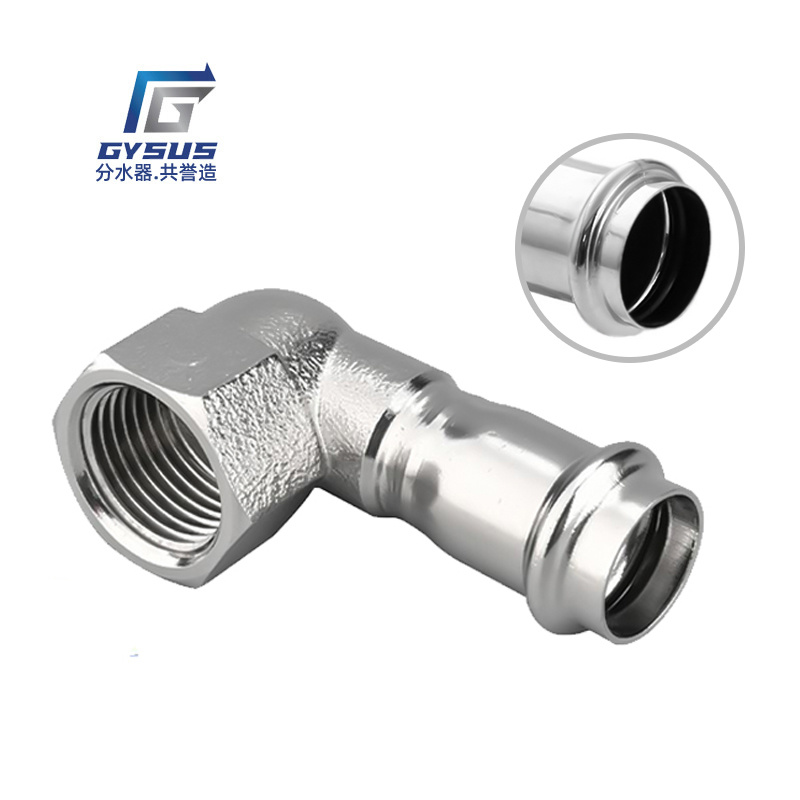
Stainless steel pipe fittings play a crucial role in plumbing and HVAC applications, particularly in the construction and decorative materials sector. These components are essential for creating reliable and efficient plumbing systems. Their durability, resistance to corrosion, and ability to withstand high temperatures make them a preferred choice for both residential and commercial settings.
One of the primary benefits of stainless steel pipe fittings is their resistance to corrosion. Unlike other materials, stainless steel does not rust or corrode when exposed to water, making it ideal for plumbing applications. This property ensures a longer lifespan for the fittings and minimizes maintenance costs. Additionally, stainless steel maintains its integrity under a wide range of temperatures, which is crucial for systems that experience thermal fluctuations.
When selecting stainless steel pipe fittings, professionals should consider the various types available to suit different applications. Common types include elbows, tees, couplings, reducers, and caps. Each type serves a specific purpose, enabling fluid to flow seamlessly through the system. For instance, elbows allow for directional changes in piping, while tees enable branching off into different lines. Understanding these functions is vital for designing efficient plumbing systems.
Another important aspect to consider is the size and compatibility of the fittings with existing pipes. Proper sizing ensures a tight seal, preventing leaks and enhancing the overall performance of the plumbing system. When working with stainless steel pipe fittings, it's essential to follow industry standards and guidelines to ensure compatibility with various pipe sizes and materials.
In addition to their functional benefits, stainless steel pipe fittings are also favored for aesthetic purposes. They have a sleek, polished appearance that can enhance the overall look of exposed plumbing systems in modern constructions. This is particularly relevant in design-conscious environments where both form and function are essential.
Furthermore, stainless steel fittings are environmentally friendly. They are recyclable and have a lower environmental impact compared to some other materials. This sustainability aspect is increasingly important in today's construction practices, where reducing carbon footprints is a priority.
In conclusion, stainless steel pipe fittings are an indispensable component in plumbing systems, providing durability, aesthetic appeal, and environmental benefits. For professionals in the building and decorative materials industry, understanding the advantages and applications of these fittings is essential for delivering high-quality plumbing solutions. Proper selection and installation can significantly enhance the performance and longevity of plumbing systems, ultimately leading to satisfied clients and successful projects.
One of the primary benefits of stainless steel pipe fittings is their resistance to corrosion. Unlike other materials, stainless steel does not rust or corrode when exposed to water, making it ideal for plumbing applications. This property ensures a longer lifespan for the fittings and minimizes maintenance costs. Additionally, stainless steel maintains its integrity under a wide range of temperatures, which is crucial for systems that experience thermal fluctuations.
When selecting stainless steel pipe fittings, professionals should consider the various types available to suit different applications. Common types include elbows, tees, couplings, reducers, and caps. Each type serves a specific purpose, enabling fluid to flow seamlessly through the system. For instance, elbows allow for directional changes in piping, while tees enable branching off into different lines. Understanding these functions is vital for designing efficient plumbing systems.
Another important aspect to consider is the size and compatibility of the fittings with existing pipes. Proper sizing ensures a tight seal, preventing leaks and enhancing the overall performance of the plumbing system. When working with stainless steel pipe fittings, it's essential to follow industry standards and guidelines to ensure compatibility with various pipe sizes and materials.
In addition to their functional benefits, stainless steel pipe fittings are also favored for aesthetic purposes. They have a sleek, polished appearance that can enhance the overall look of exposed plumbing systems in modern constructions. This is particularly relevant in design-conscious environments where both form and function are essential.
Furthermore, stainless steel fittings are environmentally friendly. They are recyclable and have a lower environmental impact compared to some other materials. This sustainability aspect is increasingly important in today's construction practices, where reducing carbon footprints is a priority.
In conclusion, stainless steel pipe fittings are an indispensable component in plumbing systems, providing durability, aesthetic appeal, and environmental benefits. For professionals in the building and decorative materials industry, understanding the advantages and applications of these fittings is essential for delivering high-quality plumbing solutions. Proper selection and installation can significantly enhance the performance and longevity of plumbing systems, ultimately leading to satisfied clients and successful projects.

Contact Us
E-mail :
lena@gysusstainless.com
WhatsApp:
13580506972
Address:
First Floor, No. 147, Pacific Industrial Zone, Xintang Town, Zengcheng District, Guangzhou City, Guangdong Province

Search for the product you want to know
Contact Us
First Floor, No. 147, Pacific Industrial Zone, Xintang Town, Zengcheng District, Guangzhou City, Guangdong Province
Focus on the research and development, customization, production, and sales of stainless steel water separators and stainless steel pipe fittings