To provide high-quality stainless steel water separators for global customers.
Understanding the Mechanics of Stainless Steel Flanged Flow Splitters: A Comprehensive Guide
Jun 21,2026
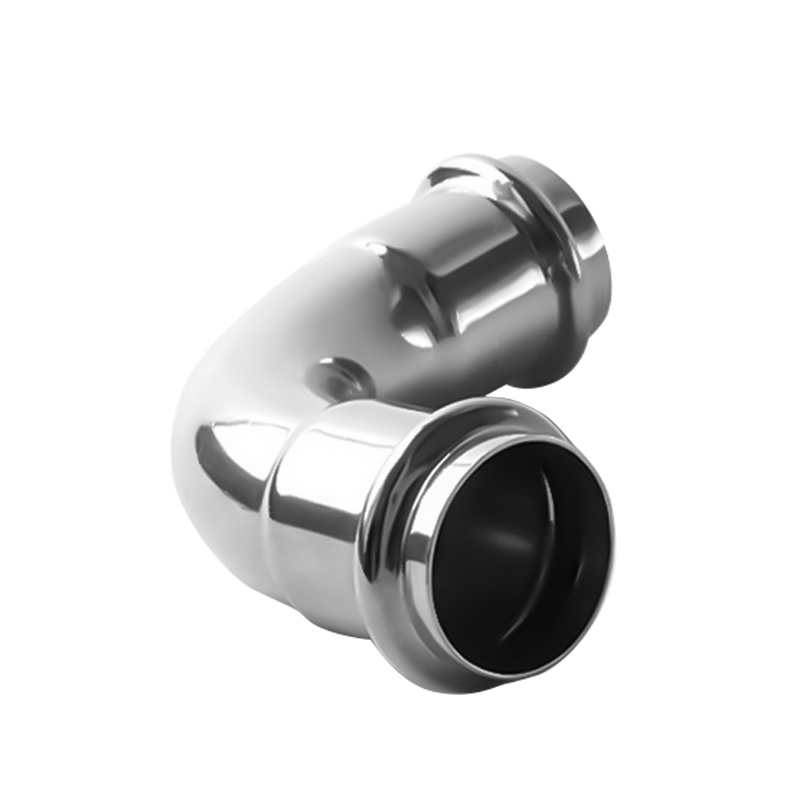
Understanding the Mechanics of Stainless Steel Flanged Flow Splitters
Table of Contents
- 1. Introduction to Flow Splitters
- 2. What Are Flow Splitters?
- 3. Key Components of Stainless Steel Flanged Flow Splitters
- 4. The Mechanics of Flow Splitters
- 5. Applications of Stainless Steel Flanged Flow Splitters
- 6. Benefits of Using Stainless Steel in Flow Splitters
- 7. Installation Process of Stainless Steel Flanged Flow Splitters
- 8. Maintenance Tips for Flow Splitters
- 9. Frequently Asked Questions
- 10. Conclusion
1. Introduction to Flow Splitters
Flow splitters play a pivotal role in managing fluid dynamics across various systems, especially in construction and plumbing applications. These devices efficiently distribute the flow of liquids, ensuring that multiple outlets receive the necessary supply without compromising performance. In this guide, we will explore the mechanics behind stainless steel flanged flow splitters, examining their components, applications, and maintenance.
2. What Are Flow Splitters?
Flow splitters are specialized devices designed to divide a fluid stream into multiple paths. Typically used in hydraulic and plumbing systems, they facilitate the distribution of water or other fluids without significant pressure loss. Stainless steel flanged flow splitters are favored for their durability and resistance to corrosion, making them ideal for various environments.
The Role of Flanged Connections
Flanged connections are crucial in providing a secure and leak-proof interface between the flow splitter and the piping system. They facilitate easy installation and disassembly, allowing for maintenance and repairs without extensive downtime.
3. Key Components of Stainless Steel Flanged Flow Splitters
Understanding the components that make up a stainless steel flanged flow splitter is essential for appreciating its functionality. Key components include:
Body
The body of the flow splitter is typically crafted from high-quality stainless steel, ensuring longevity and resistance to environmental factors. The design often features multiple inlet and outlet ports for efficient fluid distribution.
Flanges
Flanges are critical for connecting the flow splitter to the existing piping systems. They provide stability and a secure seal to prevent leaks.
Internal Baffles
Internal baffles are strategically placed within the flow splitter to optimize fluid distribution. These components help maintain an even flow rate across all outlets.
Seals and Gaskets
High-quality seals and gaskets are essential for preventing leaks at connection points. The materials used must withstand varying pressures and temperatures.
4. The Mechanics of Flow Splitters
The operation of stainless steel flanged flow splitters is primarily based on fluid dynamics principles. When fluid enters the splitter, it encounters internal baffles that guide the flow towards the designated outlets.
Flow Distribution
The design of the splitter ensures that the incoming flow is evenly distributed among the outlets. This prevents pressure fluctuations and ensures that each outlet receives adequate fluid supply.
Pressure Management
Effective pressure management is crucial in flow splitter design. Stainless steel flanged flow splitters are engineered to handle varying pressure levels while maintaining consistent performance.
5. Applications of Stainless Steel Flanged Flow Splitters
Stainless steel flanged flow splitters find applications across various industries:
1. Plumbing Systems
In plumbing, these devices are used to distribute water supply to multiple fixtures and appliances, ensuring balanced pressure and flow.
2. HVAC Systems
In heating, ventilation, and air conditioning (HVAC) systems, flow splitters help manage the distribution of fluids across different zones.
3. Industrial Process Systems
Flow splitters are integral to many industrial processes, facilitating the efficient distribution of liquids in manufacturing and processing plants.
4. Irrigation Systems
In agriculture, flow splitters ensure that water is evenly distributed across irrigation lines, promoting efficient water usage.
6. Benefits of Using Stainless Steel in Flow Splitters
Choosing stainless steel for flow splitters offers numerous advantages:
1. Corrosion Resistance
Stainless steel is highly resistant to corrosion, making it ideal for applications involving water or corrosive fluids.
2. Strength and Durability
The material's inherent strength makes it capable of withstanding high pressures and varying temperatures.
3. Easy Maintenance
Stainless steel components are relatively easy to clean and maintain, ensuring long-lasting performance.
4. Aesthetic Appeal
The sleek appearance of stainless steel adds to the overall aesthetic of plumbing and industrial systems.
7. Installation Process of Stainless Steel Flanged Flow Splitters
Installing a stainless steel flanged flow splitter requires precision and attention to detail. The process typically involves the following steps:
1. Site Preparation
Ensure that the installation site is clean and free of obstructions. Verify that the piping configuration matches the flow splitter's design.
2. Aligning the Flanges
Carefully align the flanges of the flow splitter with the existing piping. Use bolt holes as a guide to achieve proper alignment.
3. Securing Connections
Once aligned, secure the flanges using appropriate bolts and nuts. Avoid overtightening, which can cause damage to the flanges or seals.
4. Testing for Leaks
After installation, perform a leak test by running fluid through the system and checking all connection points.
8. Maintenance Tips for Flow Splitters
Regular maintenance is crucial for the longevity of stainless steel flanged flow splitters. Here are some tips:
1. Routine Inspections
Schedule regular inspections to identify signs of wear or corrosion. Look for leaks around the flanges and seals.
2. Cleaning
Keep the external surface clean to prevent buildup that can lead to corrosion. Use non-corrosive cleaning agents suitable for stainless steel.
3. Replace Worn Components
If any components, such as seals or gaskets, show signs of wear, replace them promptly to maintain system integrity.
4. Monitor System Performance
Regularly monitor the flow and pressure levels to ensure optimal performance. Address any fluctuations immediately.
9. Frequently Asked Questions
1. What is the primary function of a flow splitter?
The primary function of a flow splitter is to evenly distribute fluid flow into multiple paths or outlets, ensuring balanced performance in plumbing or industrial systems.
2. Why is stainless steel preferred for flow splitters?
Stainless steel is preferred for its corrosion resistance, strength, and durability, making it suitable for various environments and applications.
3. How do I know if my flow splitter needs maintenance?
Signs that your flow splitter may need maintenance include visible leaks, unusual pressure fluctuations, or a decrease in flow rates.
4. Can I install a flow splitter myself?
While it is possible to install a flow splitter yourself, it is recommended to consult with a professional to ensure proper installation and avoid potential issues.
5. What is the lifespan of a stainless steel flanged flow splitter?
The lifespan of a stainless steel flanged flow splitter can vary based on usage and maintenance, but with proper care, it can last for many years.
10. Conclusion
Understanding the mechanics of stainless steel flanged flow splitters is essential for optimizing fluid distribution in plumbing and industrial systems. With their robust design and reliable performance, these devices facilitate efficient fluid management, contributing to the overall effectiveness of various applications. By investing in high-quality stainless steel flow splitters and adhering to proper maintenance practices, professionals can ensure long-lasting performance and reliability in their systems. Whether in residential plumbing or large-scale industrial processes, the significance of flow splitters cannot be understated.

Contact Us
E-mail :
lena@gysusstainless.com
WhatsApp:
13580506972
Address:
First Floor, No. 147, Pacific Industrial Zone, Xintang Town, Zengcheng District, Guangzhou City, Guangdong Province

Search for the product you want to know
Contact Us
First Floor, No. 147, Pacific Industrial Zone, Xintang Town, Zengcheng District, Guangzhou City, Guangdong Province
Focus on the research and development, customization, production, and sales of stainless steel water separators and stainless steel pipe fittings