To provide high-quality stainless steel water separators for global customers.
Mastering the Installation of Stainless Steel Flanged Flow Splitters: A Comprehensive Guide
Sep 18,2026
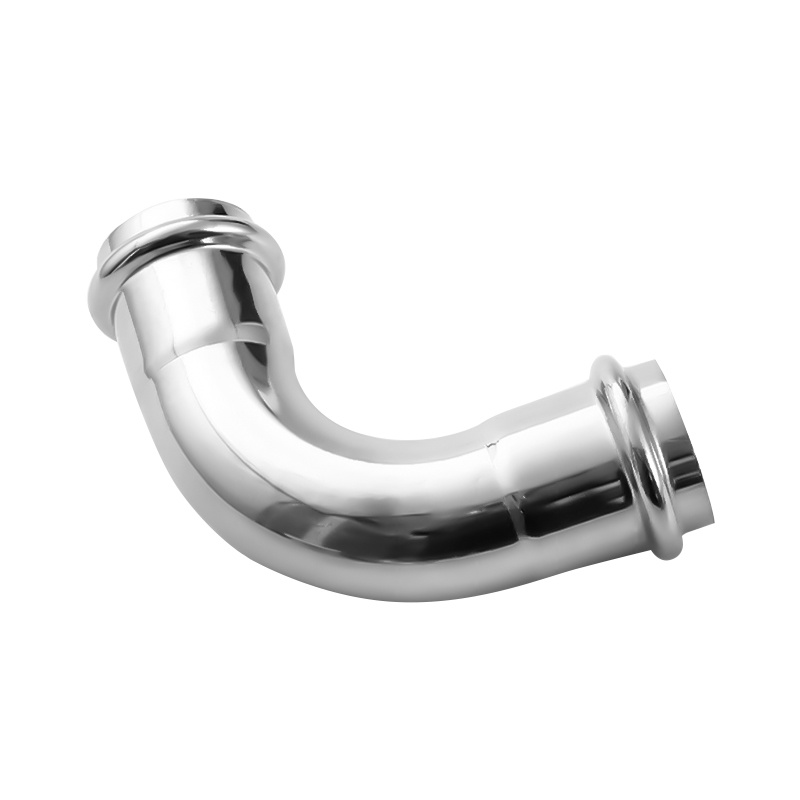
How to Install Stainless Steel Flanged Flow Splitters Like a Pro
Table of Contents
1. Introduction to Stainless Steel Flanged Flow Splitters
2. Essential Tools for Installation
3. Preparing for Installation
3.1 Understanding the System Requirements
3.2 Site Inspection and Planning
4. Step-by-Step Installation Guide
4.1 Safety Precautions
4.2 Aligning the Flow Splitter
4.3 Securing the Flanges
4.4 Testing for Leaks
5. Maintenance Tips for Optimal Performance
6. Common Issues and Troubleshooting
7. Frequently Asked Questions
8. Conclusion
1. Introduction to Stainless Steel Flanged Flow Splitters
Stainless steel flanged flow splitters are critical components in numerous plumbing and hydraulic systems. They facilitate the distribution of fluid from a single source to multiple points, ensuring even flow and efficient operation. Their robust construction makes them ideal for various applications, from industrial settings to residential installations. Understanding how to install these devices correctly is essential for achieving optimal performance and longevity.
2. Essential Tools for Installation
Before embarking on the installation process, it is vital to gather all necessary tools. A well-prepared installer is a successful installer. Below is a list of essential tools required for the job:
- Wrench set: For tightening and loosening bolts.
- Screwdriver: To secure any screws.
- Level: To ensure the installation is even.
- Pipe cutter: For cutting pipes to the required lengths.
- Teflon tape: For sealing threaded connections.
- Safety goggles and gloves: For personal protection.
3. Preparing for Installation
Preparation is key to a successful installation. This phase involves understanding system requirements and conducting a thorough site inspection.
3.1 Understanding the System Requirements
Before installation, it is crucial to familiarize yourself with the specifications of the flanged flow splitter. Check the diameter, pressure ratings, and compatibility with existing piping systems to avoid any issues later.
3.2 Site Inspection and Planning
Conduct a detailed site inspection to identify potential challenges. Ensure that the installation area is clean and free from debris. Plan the layout to minimize bends and turns in the piping, as these can decrease flow efficiency.
4. Step-by-Step Installation Guide
Now that you are prepared, let’s dive into the actual installation process.
4.1 Safety Precautions
Safety should always be the top priority. Wear appropriate protective gear, including gloves and goggles, to safeguard against any potential hazards. Ensure that the work area is well-ventilated if you are working with adhesives or sealants.
4.2 Aligning the Flow Splitter
Begin by positioning the stainless steel flanged flow splitter in the intended location. Use a level to verify that it is properly aligned. Misalignment can lead to leaks or system inefficiencies.
4.3 Securing the Flanges
Once the splitter is aligned, it’s time to secure the flanges. Start by applying Teflon tape to the threaded sections of the pipes. This tape will create a tight seal that prevents leaks. Next, attach the flanges to the corresponding pipes. Use a wrench to tighten the bolts evenly across the flange. Avoid over-tightening, as this can damage the flanges.
4.4 Testing for Leaks
After securing the flanges, it’s essential to test the installation for leaks. Turn on the fluid supply slowly and monitor the connections. If you notice any leaks, turn off the supply immediately and recheck the flanged connections. Address any issues before proceeding.
5. Maintenance Tips for Optimal Performance
To ensure the longevity and efficiency of your stainless steel flanged flow splitter, regular maintenance is necessary. Here are some tips:
- Periodically inspect the connections for signs of wear or corrosion.
- Clean the splitter and surrounding area to prevent debris buildup.
- Check for any unusual noises or vibrations during operation.
Regular maintenance not only extends the lifespan of the flow splitter but also ensures consistent performance.
6. Common Issues and Troubleshooting
Even with careful installation, issues may arise. Here are some common problems you might encounter and how to troubleshoot them:
- **Leakage**: If you notice leaks after installation, double-check the flanges for proper alignment and tightness.
- **Reduced Flow Rate**: A decrease in flow can be a sign of blockages or improper sizing. Inspect the system for any obstructions.
- **Unusual Noises**: Noises during operation may indicate air trapped in the system. Bleed the system to remove any trapped air.
Addressing these issues promptly will help maintain the efficiency and reliability of your flow splitter.
7. Frequently Asked Questions
Q1: What materials are stainless steel flanged flow splitters made from?
A: Stainless steel flanged flow splitters are typically constructed from high-quality stainless steel to withstand corrosion and pressure.
Q2: How often should I perform maintenance on my flow splitter?
A: It is advisable to conduct maintenance checks every six months or after significant operational changes.
Q3: Can I install a flow splitter myself?
A: Yes, with the right tools and knowledge, installing a flow splitter can be a DIY project. However, professional assistance is recommended for complex systems.
Q4: What is the best way to ensure a leak-free installation?
A: Applying Teflon tape to threaded joints and ensuring that flanges are properly aligned and tightened can help achieve a leak-free installation.
Q5: Are there specific safety guidelines to follow during installation?
A: Always wear safety goggles and gloves, ensure proper ventilation, and follow manufacturer guidelines during installation.
8. Conclusion
Installing stainless steel flanged flow splitters is a task that requires careful planning, the right tools, and adherence to best practices. By following the detailed steps outlined in this guide, you can achieve a professional installation that ensures optimal fluid distribution and system efficiency. Regular maintenance and troubleshooting will further enhance the reliability of your flow splitter, making it a valuable component in your plumbing or hydraulic system. Embrace these techniques, and you’ll be well on your way to mastering the installation process!
PREVIOUS:

Contact Us
E-mail :
lena@gysusstainless.com
WhatsApp:
13580506972
Address:
First Floor, No. 147, Pacific Industrial Zone, Xintang Town, Zengcheng District, Guangzhou City, Guangdong Province

Search for the product you want to know
Contact Us
First Floor, No. 147, Pacific Industrial Zone, Xintang Town, Zengcheng District, Guangzhou City, Guangdong Province
Focus on the research and development, customization, production, and sales of stainless steel water separators and stainless steel pipe fittings