To provide high-quality stainless steel water separators for global customers.
Essential Insights into Stainless Steel Pipe Fittings for Water Distribution Systems
Nov 16,2026
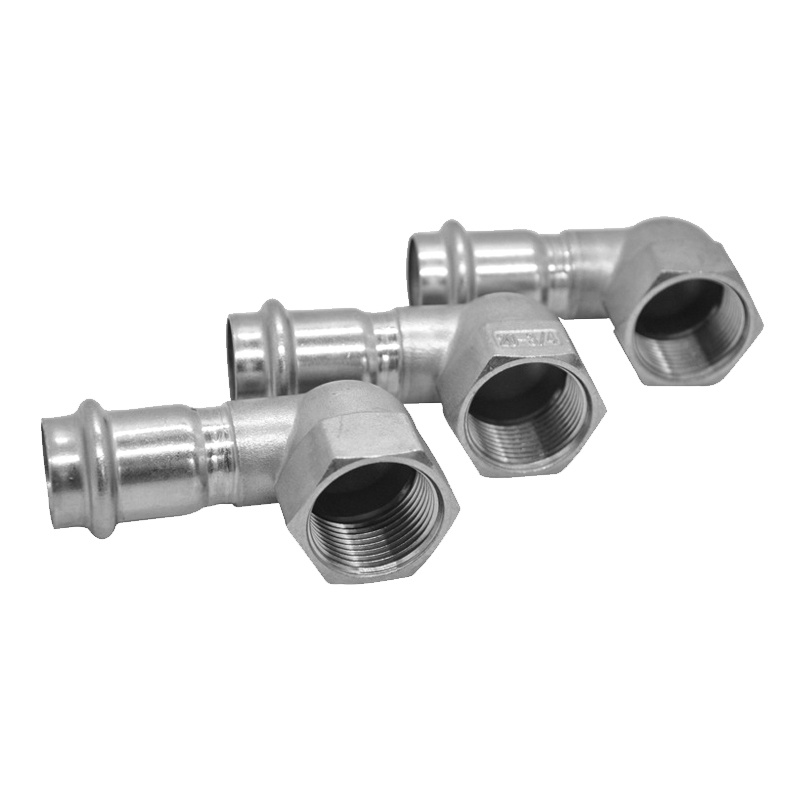
Stainless steel pipe fittings are crucial elements in the construction and decorative materials sector, particularly within plumbing and heating systems. These fittings facilitate the connection, direction, and flow regulation of liquids in various applications, including water distribution networks. Understanding the properties and types of stainless steel pipe fittings can significantly enhance the performance and longevity of plumbing installations.
One of the primary advantages of stainless steel is its corrosion resistance. Unlike traditional materials, stainless steel fittings are less prone to rust, making them ideal for water applications where moisture is prevalent. This property not only extends the lifespan of the fittings but also aids in maintaining water quality by preventing contamination from rust particles.
The most common types of stainless steel pipe fittings include elbows, tees, reducers, and couplings. Elbows are used to change the direction of the piping system, while tees allow for branching off to additional pipes. Reducers are essential for connecting pipes of different diameters, ensuring efficient flow transitions. Couplings are utilized to connect two pipe ends, providing a secure and leak-proof joint. Each type has specific applications and must be chosen according to the requirements of the plumbing system.
When selecting stainless steel pipe fittings, it is vital to consider the grades of stainless steel. The most commonly used grades for plumbing applications are 304 and 316. Grade 304 is suitable for most water distribution uses due to its excellent corrosion resistance and formability. Conversely, grade 316 is preferred for environments exposed to harsher substances, such as saltwater or acidic conditions, because it offers superior resistance to pitting and crevice corrosion.
Installation practices also play a critical role in ensuring the effectiveness of stainless steel pipe fittings. Proper alignment and tightening are essential to prevent leaks and maintain system integrity. It is advisable to use appropriate tools and techniques to secure fittings, as over-tightening can lead to deformation or damage.
Furthermore, regular maintenance of the plumbing system, including inspections of stainless steel fittings, is recommended. This proactive approach helps identify any potential issues before they escalate, ensuring a reliable and efficient water distribution system.
In summary, stainless steel pipe fittings are indispensable components in modern plumbing systems, particularly within the construction and decorative materials industry. Their corrosion resistance, diverse types, and proper installation practices contribute significantly to the efficacy and longevity of water distribution systems. By understanding these factors, professionals can make informed decisions that enhance system performance and reliability.

Contact Us
E-mail :
lena@gysusstainless.com
WhatsApp:
13580506972
Address:
First Floor, No. 147, Pacific Industrial Zone, Xintang Town, Zengcheng District, Guangzhou City, Guangdong Province
Search for the product you want to know
Contact Us
First Floor, No. 147, Pacific Industrial Zone, Xintang Town, Zengcheng District, Guangzhou City, Guangdong Province
Focus on the research and development, customization, production, and sales of stainless steel water separators and stainless steel pipe fittings