To provide high-quality stainless steel water separators for global customers.
Why Stainless Steel Flanged Flow Splitters are the Future of Water Distribution
Nov 19,2026
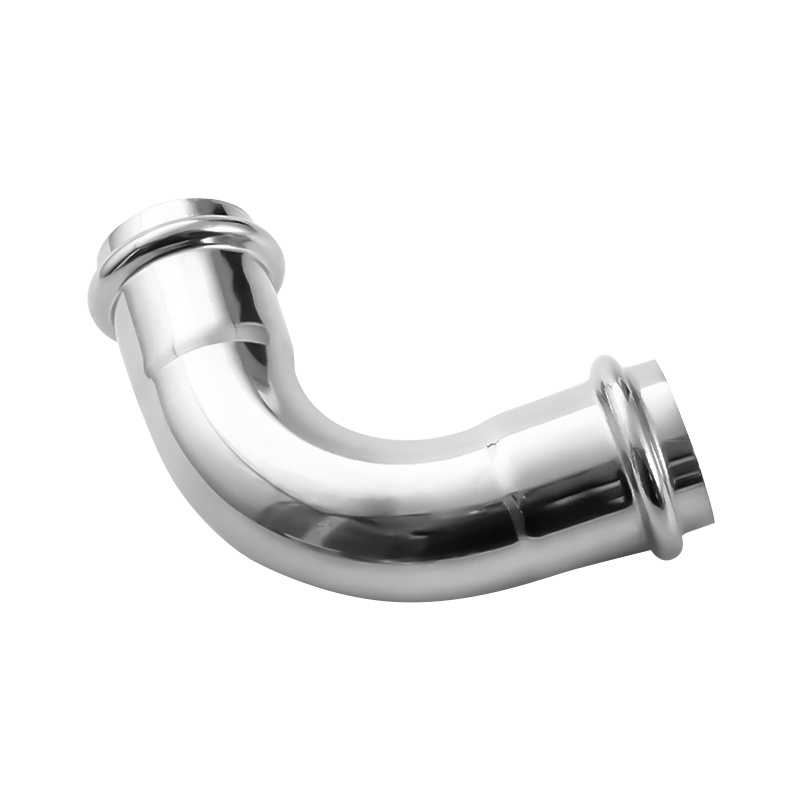
Why Stainless Steel Flanged Flow Splitters are the Future of Water Distribution
Table of Contents
- 1. Introduction to Stainless Steel Flanged Flow Splitters
- 2. What are Stainless Steel Flanged Flow Splitters?
- 3. Advantages of Using Stainless Steel in Flow Splitters
- 4. Applications of Stainless Steel Flanged Flow Splitters
- 5. Installation and Maintenance Tips
- 6. Future Trends in Water Distribution Systems
- 7. Environmental Impact and Sustainability
- 8. Frequently Asked Questions
- 9. Conclusion
1. Introduction to Stainless Steel Flanged Flow Splitters
Water distribution systems are critical in various applications, including residential plumbing, commercial buildings, and agricultural irrigation. In this context, **stainless steel flanged flow splitters** are increasingly recognized as a reliable solution for efficiently managing water flow. With their robust design and excellent corrosion resistance, these components are well-suited for diverse environments. This article explores the numerous benefits and applications of stainless steel flanged flow splitters and examines why they are considered the future of water distribution.
2. What are Stainless Steel Flanged Flow Splitters?
**Flow splitters** are devices used to divide the flow of water into multiple pathways. Stainless steel flanged flow splitters feature a flat flange on either end, allowing for easy attachment to pipes, which ensures a secure and leak-free connection. Typically fabricated from high-quality stainless steel, these flanged splitters are designed to withstand varying pressures and temperatures, making them suitable for both high-flow and low-flow applications. The versatility and durability of stainless steel make it an ideal material for flow splitters, enhancing their performance in a range of conditions.
3. Advantages of Using Stainless Steel in Flow Splitters
The choice of material is paramount in the design of flow splitters. Stainless steel offers a range of advantages over other materials, including:
3.1 Corrosion Resistance
Stainless steel is known for its exceptional resistance to corrosion. This property is vital in water distribution systems, where exposure to moisture can lead to rust and degradation. By using stainless steel flanged flow splitters, operators can ensure a longer lifespan and reduced maintenance costs.
3.2 Strength and Durability
Stainless steel provides high tensile strength and durability, allowing flow splitters to perform effectively under high pressure and temperature conditions. Their robust construction minimizes the risk of failure, ensuring reliable operation in critical applications.
3.3 Easy Maintenance
The smooth surface of stainless steel makes it easier to clean and maintain compared to other materials. Regular maintenance is essential for optimal performance, and stainless steel allows for quick inspections and cleaning, reducing downtime.
3.4 Hygiene and Safety
In applications where water quality is paramount, such as food processing and healthcare, stainless steel's non-porous surface prevents the accumulation of contaminants. This ensures that the water remains clean and safe for consumption or use.
3.5 Eco-Friendly Choice
Stainless steel is 100% recyclable. This aspect appeals to environmentally-conscious consumers and businesses looking to reduce their carbon footprint. The longevity of stainless steel flow splitters also contributes to sustainability by reducing the frequency of replacements.
4. Applications of Stainless Steel Flanged Flow Splitters
The versatility of stainless steel flanged flow splitters allows them to be used in various applications, including:
4.1 Residential Plumbing
In residential settings, these splitters are critical for distributing water to different fixtures, ensuring balanced pressure and flow rates throughout the home.
4.2 Commercial Buildings
In commercial properties, stainless steel flow splitters help manage water distribution for heating, cooling, and plumbing systems. Their reliability supports the high demands of commercial infrastructures.
4.3 Irrigation Systems
Agricultural applications benefit from the use of these flow splitters for irrigation. They enable efficient water distribution across large areas, promoting effective resource management.
4.4 Fire Suppression Systems
In fire suppression systems, stainless steel flanged flow splitters ensure that water is evenly distributed to multiple outlets, providing effective coverage during emergencies.
4.5 Industrial Processes
Many industrial processes require precise water flow management. Stainless steel flanged flow splitters are essential in these settings, where durability and reliability are non-negotiable.
5. Installation and Maintenance Tips
Proper installation and maintenance of stainless steel flanged flow splitters are essential for optimal performance. Here are some key tips:
5.1 Professional Installation
For best results, consider hiring a professional plumber or technician for the installation. They can ensure that the flow splitters are correctly aligned and securely attached, minimizing the risk of leaks.
5.2 Regular Inspections
Setting a routine for inspecting the flow splitters can help identify potential issues before they escalate. Look for signs of corrosion, leaks, or pressure drops, and address them promptly.
5.3 Cleaning Procedures
To maintain the performance of stainless steel flow splitters, regular cleaning is essential. Use non-abrasive cleaning agents to remove any buildup without damaging the surface.
5.4 Replacement of Worn Parts
Monitor the condition of gaskets and seals associated with the flow splitters. Replacing these components as needed can prevent leaks and maintain efficiency.
6. Future Trends in Water Distribution Systems
As technology advances, the future of water distribution systems is evolving. Stainless steel flanged flow splitters are at the forefront of these innovations:
6.1 Smart Water Management
Integration with smart technology allows for better monitoring and control of water distribution systems. Sensors can alert users to irregular flow patterns, enabling proactive maintenance.
6.2 Sustainable Practices
The increasing focus on sustainability is driving the demand for eco-friendly materials, such as stainless steel. Future systems will prioritize longevity and recyclability, reducing environmental impact.
6.3 Improved Design and Engineering
Continual innovations in engineering lead to the development of more efficient and effective flow splitters. Enhanced designs can offer better performance and adaptability to various applications.
6.4 Regulatory Compliance
As regulations concerning water quality and distribution tighten, manufacturers of stainless steel flanged flow splitters will need to ensure that their products comply with new standards to remain competitive.
7. Environmental Impact and Sustainability
The environmental impact of water distribution systems is a growing concern. Stainless steel flanged flow splitters contribute positively to sustainability efforts in several ways:
7.1 Reduced Water Waste
By ensuring precise water distribution, these flow splitters minimize water waste, promoting responsible water usage in both residential and commercial settings.
7.2 Energy Efficiency
Efficient water flow reduces the energy required to pump water through systems, leading to lower energy consumption and a smaller carbon footprint.
7.3 Longevity and Lifecycle Impact
The durability of stainless steel means that flow splitters have a longer operational life, resulting in fewer replacements and less waste over time.
8. Frequently Asked Questions
8.1 What is the lifespan of stainless steel flanged flow splitters?
The lifespan can vary based on application and maintenance, but they typically last for decades when properly installed and maintained.
8.2 Are stainless steel flanged flow splitters suitable for all water types?
Yes, they are compatible with most water types, including potable water, seawater, and industrial fluids.
8.3 How do I choose the right size flow splitter for my system?
Selection depends on the flow rate and pressure requirements of your system. Consult with a plumbing professional to ensure compatibility.
8.4 Can I install stainless steel flanged flow splitters myself?
While it's possible for experienced DIYers, professional installation is recommended to ensure a proper and secure fit.
8.5 What maintenance is required for stainless steel flow splitters?
Regular inspections, cleaning, and replacement of worn components are essential for maintaining optimal performance.
9. Conclusion
In conclusion, **stainless steel flanged flow splitters** are poised to become the standard in water distribution systems. Their numerous advantages, including corrosion resistance, durability, and ease of maintenance, make them the ideal choice for a wide range of applications. As we move towards a more sustainable and technologically advanced future, these flow splitters will play a crucial role in efficiently managing water resources while minimizing environmental impact. Investing in stainless steel flanged flow splitters today ensures a reliable and effective water distribution system for tomorrow.
PREVIOUS:

Contact Us
E-mail :
lena@gysusstainless.com
WhatsApp:
13580506972
Address:
First Floor, No. 147, Pacific Industrial Zone, Xintang Town, Zengcheng District, Guangzhou City, Guangdong Province

Search for the product you want to know
Contact Us
First Floor, No. 147, Pacific Industrial Zone, Xintang Town, Zengcheng District, Guangzhou City, Guangdong Province
Focus on the research and development, customization, production, and sales of stainless steel water separators and stainless steel pipe fittings